According to one argument, the importance of developing affordable housing is a higher priority for the Atlanta BeltLine than a streetcar. It's a question of scarce funding, and how to spend it to the greatest public benefit.


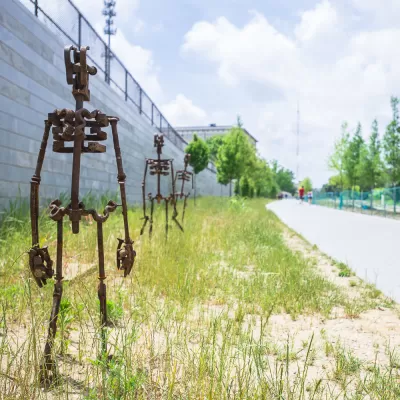
Mike Dobbins, a professor of planning at Georgia Tech’s College of Design, pens an opinion piece for SaportaReport with a potentially controversial proposal for planning around the BeltLine.
Dobbins is advocating for affordable housing, especially for the Atlanta BeltLine to achieve its mandate to produce 5,600 affordable units along the BeltLine by 2030. "The BeltLine’s prospects for being able to step up face two major hurdles: Land cost and money."
Dobbins has a few recommendations for overcoming those hurdles, like considering "the negative impact on housing affordability caused by the agency’s [Tax Allocation District] revenue stream…" Here Dobbins recommends a number of steps, like dialing down marketing and densities, while directing more funding toward property acquisition.
Then for the point that caused outcry on urbanist channels of social media already this week. Dobbins also suggests the BeltLine redirect funding intended for a streetcar toward affordable housing, which could "make a big dent in its obstacles to meeting its affordable housing mandate."
FULL STORY: Overcoming the affordable housing funding challenge

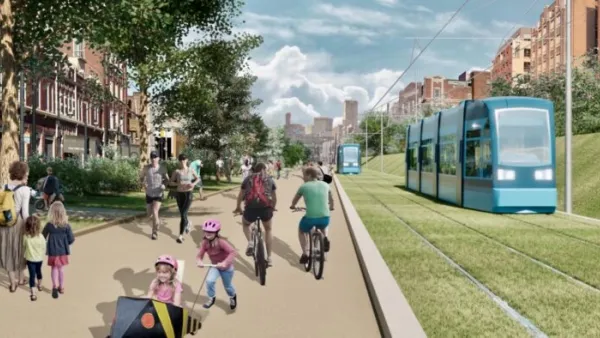
Atlanta Streetcar Expansion Still Moving Forward
MARTA has drastically reduced its plans to construct new rail transit, but one project still has political support from the top at City Hall.
Atlanta Housing Targets 10,000 Affordable Units in Five Years
Atlanta Housing plans to use a combination of development and preservation to ensure 10,000 affordable housing units in the next five years.

Atlanta BeltLine Buying More Land for Affordable Housing
The agency has acquired 65 acres of properties reserved for affordable housing and job creation.

Planetizen Federal Action Tracker
A weekly monitor of how Trump’s orders and actions are impacting planners and planning in America.

The state-sanctioned urbicide of Austin
People don’t kill cities. Freeways do.

US to reduce Colorado River water deliveries to Mexico
A new Colorado Treaty amendment reduces Mexico’s Colorado River water allocation by 250,000 acre feet.

5 New England states march closer to 800 megawatt wind energy project
Securing federal approval for the project may be complicated under the Trump administration, which has historically been hostile towards domestic wind power.

Baltimore to break ground on $50 million Transit Priority Project
The project will bring faster bus trips, safer streets and better bike connections to Baltimore.

Airbnb launches $250 million 'last-dollar financing' housing accelerator, makes first investment in Austin
The company will put $6.4 million towards affordable housing development in Texas’ capital.

FREE Course: Walkable City 1: Why Walkability?
After describing his path towards focusing on walkability as the essence of good planning, Jeff Speck marches through his five principal reasons for making more walkable places.
Reinventing Malls: Planning Alchemy—Turning Gray Fields Into Gold
The course focuses on the opportunities and imperatives that shape reinvention of mall sites.


Eagle County Government
Harvard University Graduate School of Design
Nashville Planning Department
The Architects Foundation
University of Cincinnati Online
The Pocatello Development Authority
The Urban Renewal Agency of the City of Pocatello
Journal of the American Planning Association