Using treated wastewater for snowmaking would have dual benefits for Big Sky, Montana.


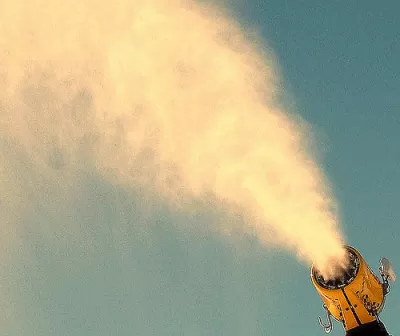
"Rapid growth in Big Sky threatens to deplete groundwater, the only source of drinking water for the community," reports Matt Weiser. That growth also creates a problem for wastewater treatment. "The sewage system was expanded just 15 years ago at a cost of $15 million, but it's already nearly at capacity. Another expansion will be needed soon."
In looking for new ways to shed treated wastewater, Big Sky has decided not to pipe the water into the Gallatin River, like many municipalities around the country would do. This story is enabled by the political will of residents who want to protect the Gallatin River.
But the solution Big Sky has discovered is a new one: use the treated wastewater to make snow at local ski resorts. Currently, ski resorts use groundwater for snowmaking—reducing drinking water supply. "Switching to highly treated wastewater would help preserve that groundwater and also avoid wastewater discharge into the river," explains Weiser. The idea isn't totally new. Ski resorts in Arizona, Pennsylvania, Virginia, California, and Europe use treated wastewater for snowmaking. "Taking this step at an elite resort area like Big Sky, however, would mark a significant step in the trend," according to Weiser.
Read the full story: Why a Posh Montana Ski Town May Use Treated Wastewater for Snowmaking

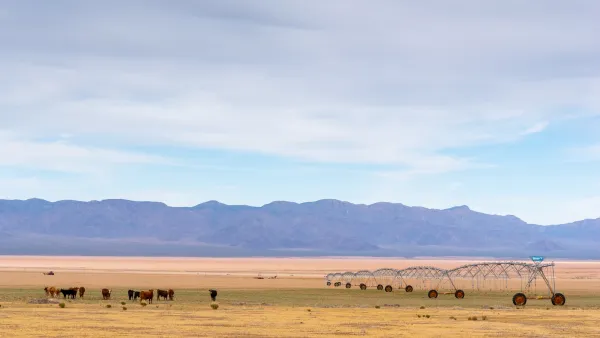
Arizona Tightens Groundwater Restrictions to Rein in Agribusinesses
The state is creating an ‘active management area’ in the western part of the state, where agribusinesses including a Saudi alfalfa exporter have practically free rein over water supplies.
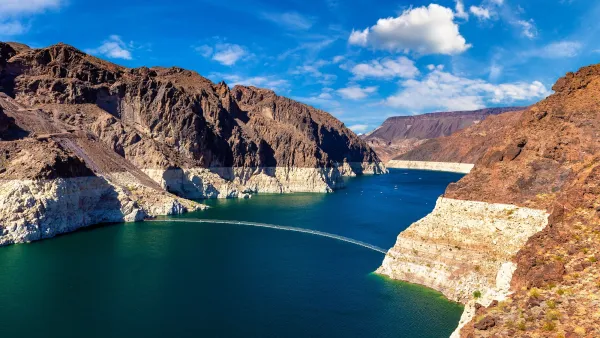
Deadline Nears for Colorado River Water Sharing Agreement
Water officials from the seven Colorado River Basin states are still at odds over how to manage dwindling water resources as current regulations are set to expire in February.
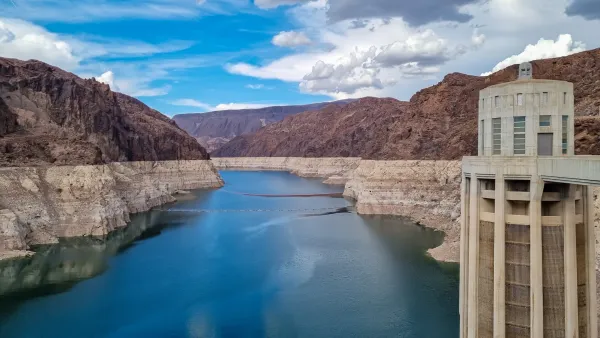
Shrinking Colorado River Aquifers Make up 65% of the Basin’s Water Loss
Satellite data reveals that the Colorado River’s groundwater has decreased dramatically since the start of the century.

Planetizen Federal Action Tracker
A weekly monitor of how Trump’s orders and actions are impacting planners and planning in America.

The state-sanctioned urbicide of Austin
People don’t kill cities. Freeways do.

US to reduce Colorado River water deliveries to Mexico
A new Colorado Treaty amendment reduces Mexico’s Colorado River water allocation by 250,000 acre feet.

Nation's most wind-powered state turns to coal as data centers increase energy demand
For the first time in decades, Iowa has increased its generation of coal power.

NYC cools commuters with city's first rain garden above a bus stop
New York City officials say the plants in the rain garden can absorb 16 gallons of rainwater during heavy storms.

Brightline West’s future may rely on $6 billion federal loan
The company has until Nov. 2 to make a $400 million equity investment into its proposed high-speed rail line.

FREE Course: Walkable City 1: Why Walkability?
After describing his path towards focusing on walkability as the essence of good planning, Jeff Speck marches through his five principal reasons for making more walkable places.
Reinventing Malls: Planning Alchemy—Turning Gray Fields Into Gold
The course focuses on the opportunities and imperatives that shape reinvention of mall sites.

Greater Baltimore Committee
Eagle County Government
Harvard University Graduate School of Design
The Architects Foundation
University of Cincinnati Online
The Pocatello Development Authority
The Urban Renewal Agency of the City of Pocatello
Journal of the American Planning Association