The city of Berkeley is exploring the sale of digital tokens—backed by municipal bonds—as a fundraising mechanism for affordable housing and other local priorities.



To fund affordable housing and homeless services, Berkeley, California is considering holding an initial coin offering (ICO), Melia Robinson reports in Business Insider—selling digital tokens that could be used as currency at local businesses.
"Buyers might spend these tokens at shops and restaurants or even pay rent at apartment rentals that participate in Berkeley's cryptocurrency ecosystem … Someday, homeless people might receive tokens to buy goods and services from local businesses that accept the currency, according to city leaders."
It's a tech-savvy twist on traditional fundraising: "The city of Berkeley is effectively leveraging the blockchain — the technology at the heart of bitcoin and other cryptocurrencies — to sell municipal bonds," Robinson explains. If adopted, the scheme would make Berkeley “the first city in the US to hold an initial coin offering."
Officials hope token sales will supplement a local budget due to shrink under the Trump administration, especially given specific threats to sanctuary cities. "For the resistance to work, it must have a coin," one councilmember told the paper.
FULL STORY: A major California city could become the first to create its own bitcoin-inspired currency

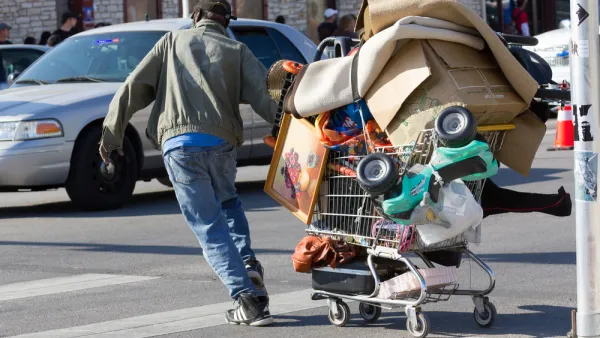
Austin Proposes Using Blockchain Technology to Help Its Homeless
The city wants to give its 7,000 citizens without permanent homes "[u]nique digital identifiers" to help them get reliable access to services.
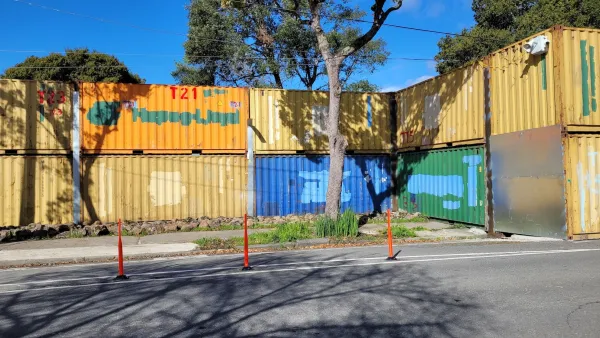
Berkeley promised to build supportive housing in People's Park. Where is it?
More than two years after People's Park was cordoned off, there is no word on a timeline for a promised affordable housing project.
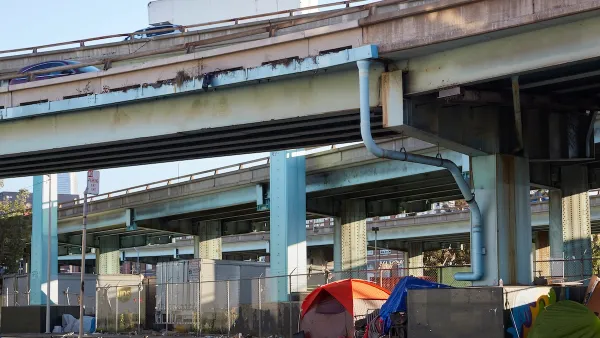
New Book Highlights Human Side of Homelessness Crisis
A San Francisco reporter’s empathetic portrait of unhoused Bay Area residents reminds readers why supportive housing is worth fighting for.

The state-sanctioned urbicide of Austin
People don’t kill cities. Freeways do.

US to reduce Colorado River water deliveries to Mexico
A new Colorado Treaty amendment reduces Mexico’s Colorado River water allocation by 250,000 acre feet.

New Jersey’s second-largest city bans standalone data centers
Jersey City will continue to allow co-location facilities, such as those meant for research institutions that store their own data.

Amtrak not solely to blame for New Jersey commuter rail's unreliability, report finds
A new study from the Garden State Initiative found that NJ Transit’s budget grew 20% across a 4 year period, but reliability declined significantly over the same period.

EPA erases limits on planet-warming pollution from power plants
Under Monday’s plan, power plants would still have some limits on how much mercury, arsenic and other contaminants they can emit.

Phoenix announces new on-demand transit service, more frequent RAPID buses
Both new services will launch in October, and are part of Phoenix's Project Effective Access Solutions for Easing Congestion.

FREE Course: Walkable City 1: Why Walkability?
After describing his path towards focusing on walkability as the essence of good planning, Jeff Speck marches through his five principal reasons for making more walkable places.
Reinventing Malls: Planning Alchemy—Turning Gray Fields Into Gold
The course focuses on the opportunities and imperatives that shape reinvention of mall sites.

Eagle County Government
Harvard University Graduate School of Design
Nashville Planning Department
The Architects Foundation
University of Cincinnati Online
The Pocatello Development Authority
The Urban Renewal Agency of the City of Pocatello
Journal of the American Planning Association