Uber, Lyft, and other major transportation technology companies have defined the role they aspire to play in the future of mobility.



Developed by Zipcar co-founder Robin Chase, the Shared Mobility Principles for Livable Cities campaign enlists mobility companies to guide the rollout of advanced transportation technologies toward "the best outcomes for all." By signing the pledge, companies including Uber, Lyft, and BlaBlaCar have professed to environmental and social goals like "the transition towards a zero-emission future."
The industry manifesto also addresses areas of controversy, including curb space, user fees, and open data. And, with the principle that "autonomous vehicles in dense urban areas should be operated only in shared fleets," it lays claim to a prominent role in the urban mobility market.
Together, the 15 new signatories account for "77 million passenger trips per day and inform the travel decisions of 10 million people each day," according to Metro Magazine.
FULL STORY: 15 transport, tech cos. sign shared mobility principles for livable cities


The Post-Pandemic Future of Rideshare
With pooled services suspended through the pandemic and research showing most users prefer private rides, will shared rides continue to play a role in urban transportation?
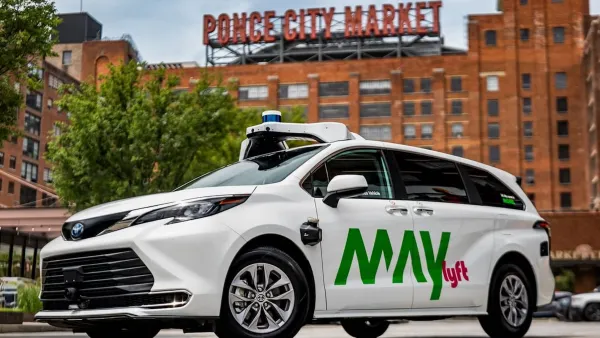
Atlanta, Dallas Area to Launch Robotaxi Rideshare Fleets
Lyft and Uber will begin including autonomous vehicles in their networks in Atlanta and Arlington, Texas starting later this year.
Minnesota Lawmakers Reach Ride Share Compromise
A law awaiting the governor’s signature establishes wage rates for drivers. Ride share companies say if the law passes, they plan to continue service in the state.

Planetizen Federal Action Tracker
A weekly monitor of how Trump’s orders and actions are impacting planners and planning in America.

The state-sanctioned urbicide of Austin
People don’t kill cities. Freeways do.

US to reduce Colorado River water deliveries to Mexico
A new Colorado Treaty amendment reduces Mexico’s Colorado River water allocation by 250,000 acre feet.

5 New England states march closer to 800 megawatt wind energy project
Securing federal approval for the project may be complicated under the Trump administration, which has historically been hostile towards domestic wind power.

Baltimore to break ground on $50 million Transit Priority Project
The project will bring faster bus trips, safer streets and better bike connections to Baltimore.

Airbnb launches $250 million 'last-dollar financing' housing accelerator, makes first investment in Austin
The company will put $6.4 million towards affordable housing development in Texas’ capital.

FREE Course: Walkable City 1: Why Walkability?
After describing his path towards focusing on walkability as the essence of good planning, Jeff Speck marches through his five principal reasons for making more walkable places.
Reinventing Malls: Planning Alchemy—Turning Gray Fields Into Gold
The course focuses on the opportunities and imperatives that shape reinvention of mall sites.

Eagle County Government
Harvard University Graduate School of Design
Nashville Planning Department
The Architects Foundation
University of Cincinnati Online
The Pocatello Development Authority
The Urban Renewal Agency of the City of Pocatello
Journal of the American Planning Association