Concord will become the latest city to add a form-based code to its menu of development regulations.


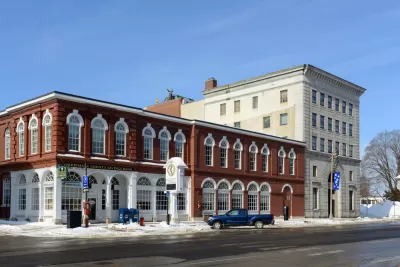
Concord, the capital city of New Hampshire, is updating its zoning code, launching a two-year process to develop a new form-based code to supplement its current zoning ordinances. Caitlin Andrews introduces and explains some of the concepts at work in the proposed form-based code for Concord—trying to explain how the new code will differ from the city's used-based code.
For insight into form-based codes and what it means to the residents and stakeholders in Concord, Andrews provides quotes from Concord City Planner Heather Shank. " Shank said form-based coding can be prescriptive in the sense that it can provide a visual aid for what type of use is allowed in district. It won’t replace the current zoning ordinances, which are very text-heavy; it will be used in conjunction with them, offering pictures and tables as a guide," writes Andrews.
The city of Concord has hired consultant Code Studio to write the new form-based code. A kick-off meeting for the process is scheduled at the beginning of February.
[Disclosure: Urban Insight, Planetizen's parent company, contracts with Code Studio on the re:code LA project in Los Angeles. The article about Concord's form-based code development project is presented for its newsworthy relevance to the Planetizen audience.]
Read the full story: Downtown: Concord takes a visual stance on zoning

11 Years Later: Miami 21 Zoning Code Ready for an Update
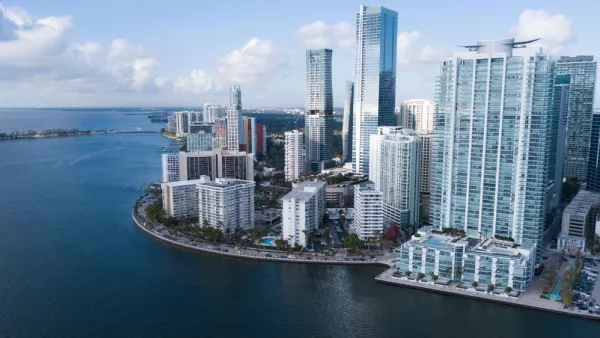
Miami 21 was approved in 2009 and heralded as a sign of a new era in zoning. Since then, Miami 21 has been both credited and blamed for the city's transformation.

Planning Without Zoning: The Houston Story
Houston is famous in planning circles for lacking a zoning code, but that doesn't mean planners don't have plenty of tools to determine the future of the city.
Zoning Codes, Explained
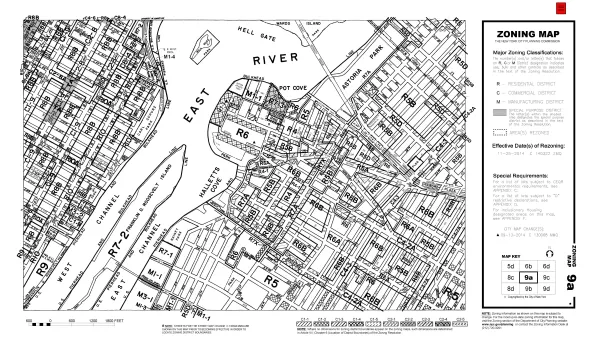
Looking for a way to describe zoning codes, and their role in city planning, to a newcomer to the field? Maybe start here.

Planetizen Federal Action Tracker
A weekly monitor of how Trump’s orders and actions are impacting planners and planning in America.

Amtrak, CN end decades-long dispute with eight-year agreement
The new operating agreement establishes an updated framework for the companies to work together, including processes to resolve disputes.

Judges permit Denver to divert 77,000 acre feet from the Colorado River for reservoir expansion
Overuse and climate change have caused the Colorado River’s water levels to plummet.

NYC DOT wants faster, more permanent street upgrades
The city is examining ways to build more concrete infrastructure without getting entangled in 'decades-long' projects.

'Something we’ve never seen before:' rising utility rates could strain city finances nationwide
Data centers, climate change and other factors have caused utility rates in the United States to increase by 38% since 2020.

Trump to overrule local leaders, lease millions of acres of America’s Pacific Island territories’ seafloors to mining companies
International law says that the Indigenous people of America’s territories have a right to prior and informed consent regarding projects that impact their countries.

FREE Course: Walkable City 1: Why Walkability?
After describing his path towards focusing on walkability as the essence of good planning, Jeff Speck marches through his five principal reasons for making more walkable places.
Reinventing Malls: Planning Alchemy—Turning Gray Fields Into Gold
The course focuses on the opportunities and imperatives that shape reinvention of mall sites.

Harvard University Graduate School of Design
KFH Group Inc.
Greater Baltimore Committee
The Architects Foundation
University of Cincinnati Online
The Pocatello Development Authority
The Urban Renewal Agency of the City of Pocatello