A $33 million plan would make downtown Des Moines home to a dense grid of bike lanes and a safer place for pedestrians, among other changes.


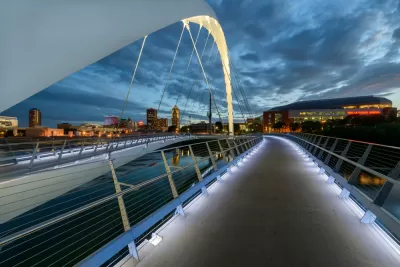
"On Monday, the city council of Des Moines unanimously approved one of the biggest downtown street transformations United States has seen in years, switching dozens of miles of downtown streets from one-way to two-way, improving hundreds of crosswalks, slowing auto traffic and creating a remarkably dense grid of protected, buffered and conventional bike lanes," Michael Andersen reports for People for Bikes.
The plan, which still needs to find funding sources for the $33 million undertaking, was funded by a coalition of business groups from counties all around the city. The many miles of bike lanes have been prioritized into three stages, the first phase of which would be completed in 2019, and the last of which would be done in 2023.
FULL STORY: WHY BUSINESS IS LEADING THE CHARGE FOR DES MOINES’ $33M STREET OVERHAUL

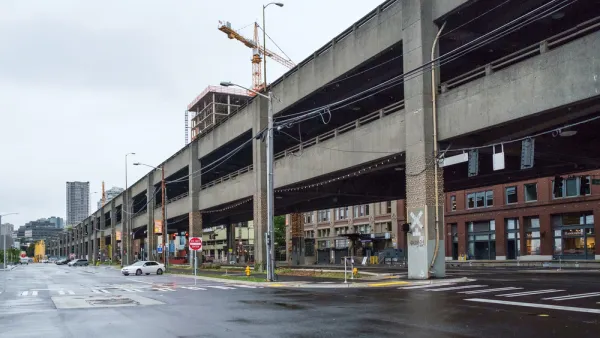
Seattle Scrambles to Handle Upcoming Traffic 'Squeeze'
Dubbed the "Seattle Squeeze," heavier traffic is expected in the new year as the Alaskan Way Viaduct closes and downtown construction projects continue. While the city prepares, activists want to use the opportunity to encourage other modes.
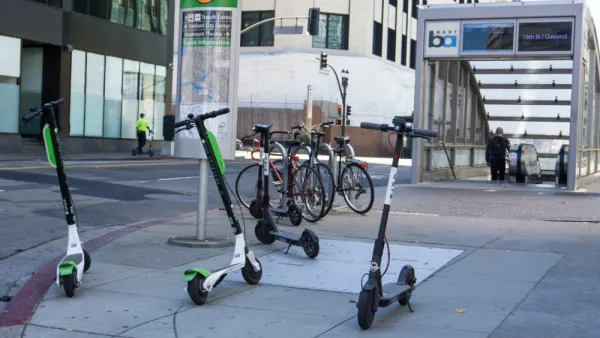
For Tiny Vehicles, Safety Comes With Numbers
Motorists tend to look out for hazards they expect. If tiny vehicles proliferate, including electric scooters, greater safety will follow.
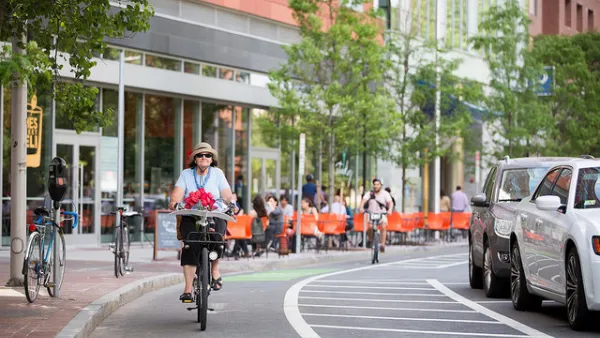
A Non-Cyclist's Case For Bike Lanes
I don't bike, but I still feel safer on streets with bike lanes. This essay explains why.

The state-sanctioned urbicide of Austin
People don’t kill cities. Freeways do.

US to reduce Colorado River water deliveries to Mexico
A new Colorado Treaty amendment reduces Mexico’s Colorado River water allocation by 250,000 acre feet.

New Jersey’s second-largest city bans standalone data centers
Jersey City will continue to allow co-location facilities, such as those meant for research institutions that store their own data.

Amtrak not solely to blame for New Jersey commuter rail's unreliability, report finds
A new study from the Garden State Initiative found that NJ Transit’s budget grew 20% across a 4 year period, but reliability declined significantly over the same period.

EPA erases limits on planet-warming pollution from power plants
Under Monday’s plan, power plants would still have some limits on how much mercury, arsenic and other contaminants they can emit.

Phoenix announces new on-demand transit service, more frequent RAPID buses
Both new services will launch in October, and are part of Phoenix's Project Effective Access Solutions for Easing Congestion.

FREE Course: Walkable City 1: Why Walkability?
After describing his path towards focusing on walkability as the essence of good planning, Jeff Speck marches through his five principal reasons for making more walkable places.
Reinventing Malls: Planning Alchemy—Turning Gray Fields Into Gold
The course focuses on the opportunities and imperatives that shape reinvention of mall sites.

Eagle County Government
Harvard University Graduate School of Design
Nashville Planning Department
The Architects Foundation
University of Cincinnati Online
The Pocatello Development Authority
The Urban Renewal Agency of the City of Pocatello
Journal of the American Planning Association