In terms of its public health benefits, a flourishing tree canopy is practically priceless.


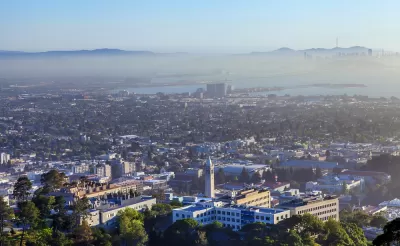
"A new research report from the Nature Conservancy argues that for just $8 per person, the U.S. could maintain and then significantly expand the tree canopy of American cities," reports Jared Green.
The report argues for the protection and expansion of urban forests at a time when many urban tree canopies are declining. In total, U.S. cities lose 4 million trees a year, or 1.3 percent of the total tree stock.
The report identifies several studies that put a figure on the multiplier benefit of trees in developed settings—which rack up in terms of heat island effect, water quality, and well being.
The news about all the benefits of urban tree canopies "still hasn’t reached the general public or even arborists, writes Green. "This is reflected in the fact that average U.S. municipal spending on urban forestry has fallen by more than 25 percent since 1980, to around $5.83 per urbanite today."
FULL STORY: The Reason to Expand Urban Forests: Our Health

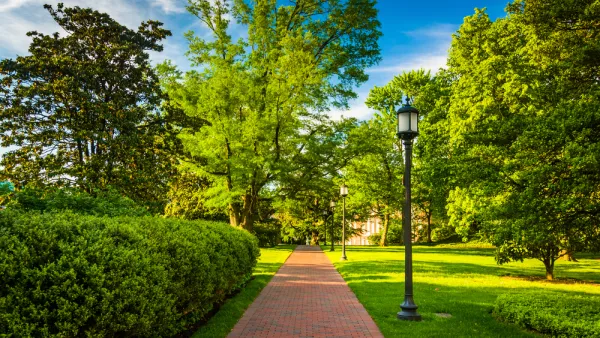
How the Urban Tree Canopy Can Save Lives in a Heat Wave
New research reveals the direct link between planting more trees and a reduction in heat-related deaths.
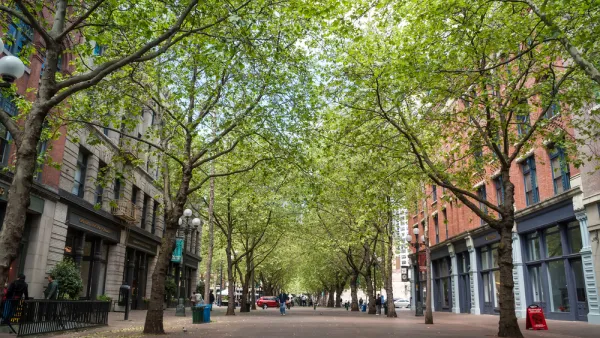
How To Preserve Both Affordable Housing and Urban Trees
Housing and environmental activists are calling on the city to commit to a ‘Trees and’ approach, rejecting the perceived conflict between housing affordability and a healthy urban tree canopy.
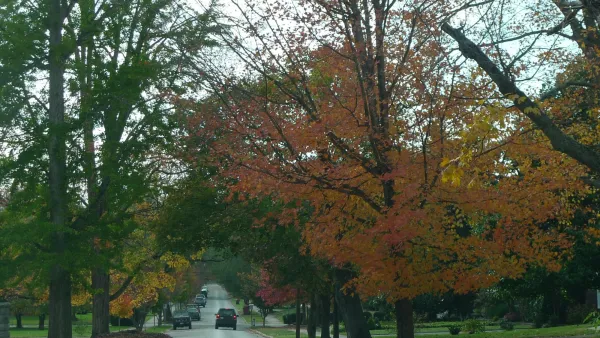
Research Shows Urban Trees Stave off Depression
A new study shows that regular exposure to trees and green spaces has a powerful impact on depression and mental health.

Planetizen Federal Action Tracker
A weekly monitor of how Trump’s orders and actions are impacting planners and planning in America.

The state-sanctioned urbicide of Austin
People don’t kill cities. Freeways do.

US to reduce Colorado River water deliveries to Mexico
A new Colorado Treaty amendment reduces Mexico’s Colorado River water allocation by 250,000 acre feet.

Airbnb launches $250 million 'last-dollar financing' housing accelerator, makes first investment in Austin
The company will put $6.4 million towards affordable housing development in Texas’ capital.

Guerilla urbanists are building DIY bus stop benches in Chicago
A before-and-after of one of the bus stops with a new bench. The new benches are not officially sanctioned or permitted, but the residents who placed them hope they will be the start of a network of DIY benches across the city.

Mamdani overhauls NYC's Vision Zero plan with 100 new policy goals
The overhaul aims to reduce traffic deaths and make streets safer for pedestrians, cyclists and drivers through lower speed limits, new safety infrastructure and more.

FREE Course: Walkable City 1: Why Walkability?
After describing his path towards focusing on walkability as the essence of good planning, Jeff Speck marches through his five principal reasons for making more walkable places.
Reinventing Malls: Planning Alchemy—Turning Gray Fields Into Gold
The course focuses on the opportunities and imperatives that shape reinvention of mall sites.

Eagle County Government
Harvard University Graduate School of Design
Nashville Planning Department
The Architects Foundation
University of Cincinnati Online
The Pocatello Development Authority
The Urban Renewal Agency of the City of Pocatello
Journal of the American Planning Association