More evidence that reports of "peak car" in the United States were premature.


"The amount of money borrowed to pay for new and used vehicles climbed to an all-time high of $968 billion in the third quarter," reports Phil LeBeau. That fact comes from new data from Experian, which tracks auto loans.
Melinda Zabritski senior director of automotive finance with Experian provides this soundbite explaining the trend: "We're seeing record auto sales and vehicle prices are up, so loans are increasing….Also, more people are paying for their vehicle with an auto loan as opposed to financing it with a home equity loan or paying cash."
Mimicking recent trends in gas consumption and vehicle miles travelled, if Americans continue the current pace of automobile sales, "the U.S. will set a record for annual sales with an expected total of 17.46 million vehicles."
The article also includes some scary discussion about a bad word, for anyone who lived through 2008: subprime loans. Subprime auto loans have been steadily increasing since 2011, according to Experian. According to LeBeau, there is also "no shortage of people who are suggesting America's red-hot auto market is being fueled by a bubble in subprime auto loans."
FULL STORY: Auto loans reach an all-time high

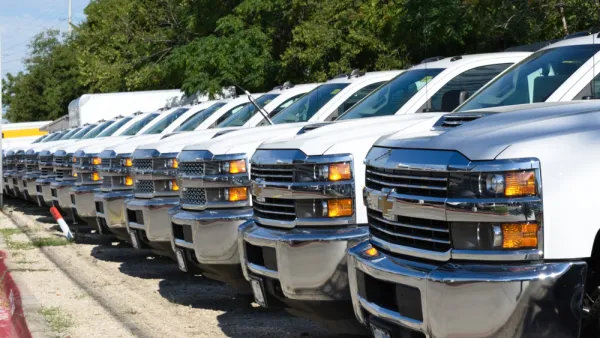
U.S. Auto Loan Debt Balloons to $1.4 Trillion, Study Says
Consumer Reports published findings of an investigation of U.S. auto loan debt, finding that debt is increasing at increasingly fast rates alongside the cost of cars over the past decade.
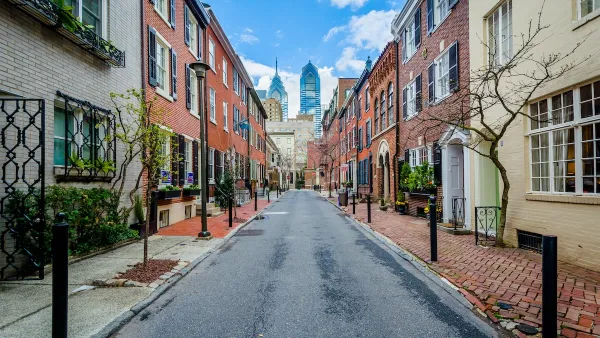
The Philadelphia Loan Program Transforming the Demographics of Development
The Jumpstart loan program is helping Black and female residents become developers.
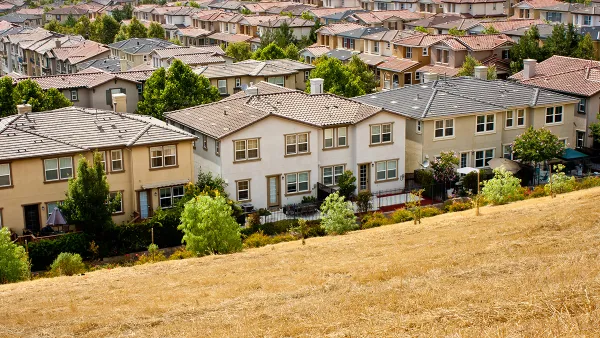
High Housing Costs Are Bad News for Older Millennials
Burdened by rising housing costs, many millennials are finding it increasingly difficult to pay off debt or save for the future.

Planetizen Federal Action Tracker
A weekly monitor of how Trump’s orders and actions are impacting planners and planning in America.

The state-sanctioned urbicide of Austin
People don’t kill cities. Freeways do.

US to reduce Colorado River water deliveries to Mexico
A new Colorado Treaty amendment reduces Mexico’s Colorado River water allocation by 250,000 acre feet.

Amtrak not solely to blame for New Jersey commuter rail's unreliability, report finds
A new study from the Garden State initiative found that NJ Transit’s budget grew 20% across a 4 year period, but reliability declined significantly over the same period.

EPA erases limits on planet-warming pollution from power plants
Under Monday’s plan, power plants would still have some limits on how much mercury, arsenic and other contaminants they can emit.

Phoenix announces new on-demand transit service, more frequent RAPID buses
Both new services will launch in October, and are part of Phoenix's Project Effective Access Solutions for Easing Congestion.

FREE Course: Walkable City 1: Why Walkability?
After describing his path towards focusing on walkability as the essence of good planning, Jeff Speck marches through his five principal reasons for making more walkable places.
Reinventing Malls: Planning Alchemy—Turning Gray Fields Into Gold
The course focuses on the opportunities and imperatives that shape reinvention of mall sites.

Eagle County Government
Harvard University Graduate School of Design
Nashville Planning Department
The Architects Foundation
University of Cincinnati Online
The Pocatello Development Authority
The Urban Renewal Agency of the City of Pocatello
Journal of the American Planning Association