Land Use
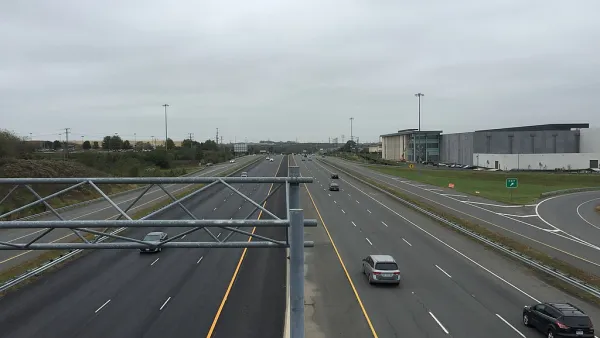
Causes and Effects of Widespread Data Center Development
While it’s unlikely to expect local and state governments to insist that data center developments locate somewhere else, specific policy steps can ensure a more positive impact for communities.

New York City Council Wants Community Engagement to Lead Affordable Housing Development
New York Mayor Eric Adams and City Council Speaker Adrienne Adams have proposed very different responses to the city’s lack of affordable housing.

Austin’s Texas Mall Opens to the Public
The new plaza, part of the Capitol Complex Project, offers a glimpse of the potential of pedestrianized space in the Texas capital.

Mapping Climate Impact at the Neighborhood Level
A consumption-based analysis illustrates the differences in average household emissions across census tracts.

Is Sprawl the Only Answer to High Housing Costs?
A recent article argues that sprawl is the solution to high housing costs, pointing out that low-density Sunbelt cities are more affordable than some more compact metro areas. What's wrong with this argument?

Planning in 2022: Year in Review
A review of the major themes, debates, and events of the year in planning that was 2022 (part one of two).

The Role of Language in the Battle Over Zoning Reform
Missing middle housing? Ending single-family zoning? How language impacts public opinion in the movement to increase housing density.

Parking Reform for Affordable Housing Production
The Regional Plan Association published “Parking Policy Is Housing Policy: How Reducing Parking Requirements Stimulates Affordable Housing Production.”

When Zoning Reform Isn’t Enough: How To Boost Missing Middle Housing
For upzoning efforts to result in a significant rise in new housing units, cities and states must do more than just change zoning codes to ensure missing middle housing is easy and affordable to build.

Planetizen's Top Posts of 2022
The most popular articles on Planetizen in 2022.

San Jose Eliminates Parking Minimums
The California city is the largest in the country to abolish parking requirements, joining a bevy of other localities that are shifting to less car-oriented development.
Fairfax County Considering Bicycle Parking Minimums
Similar to vehicle parking requirements, the proposal would create a tiered system for minimum bike parking spots in new developments.

Los Angeles To Phase Out Oil Drilling
The city has banned new wells and will end all extraction within two decades.

Cincinnati Approves Complete Streets Policy
The city will now require its department of transportation to consider bike and pedestrian facilities when planning new projects or improvements.

How Short-Term Rental Restrictions Impact Urban Planning
Short-term rental regulations are a hot topic in the urban planning world. As more cities consider—or are already implementing—these regulations, they need to understand how they impact various urban landscape areas.

Op-Ed: Housing Solution Lies Within Urban Growth Boundary
Undoing Oregon’s urban growth boundaries won’t solve the state’s housing crisis, an opinion piece argues. Smart growth lies within existing cities.
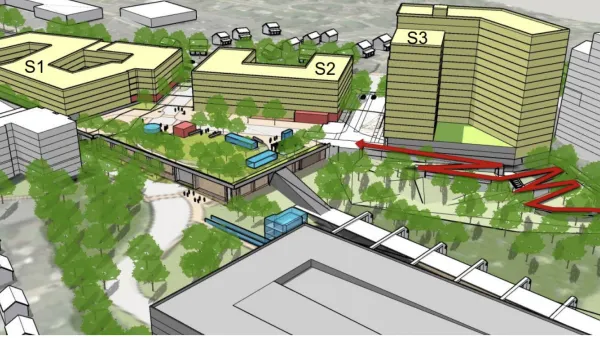
A New Transit Oriented Vision for Fairfax County, Virginia
A new transit station area plan is reaching the finishing line for the Huntington Metro station, serving the WMATA’s Yellow Line in Northern Virginia.

Advice for a Post-Parking Mandate World
After abolishing parking requirements, what can cities do to make the most of new space and revenue and avoid backlash?

Detroit To Build New Parking for Small Businesses
The city will invest $9 million in an initiative to build customer parking on city-owned lots to boost economic development.

In Reversal, Ontario Government Could Open Toronto Greenbelt to Development
The Toronto Greenbelt was an urban growth boundary created in 2005 as one of the most obvious political victories for the Smart Growth movement in North America. A new bill would reverse course on the region’s growth policies.

FREE Course: Walkable City 1: Why Walkability?
After describing his path towards focusing on walkability as the essence of good planning, Jeff Speck marches through his five principal reasons for making more walkable places.
Reinventing Malls: Planning Alchemy—Turning Gray Fields Into Gold
The course focuses on the opportunities and imperatives that shape reinvention of mall sites.

One Hundred Miles
County of Mendocino
planning NEXT
The Architects Foundation
University of Cincinnati Online
Montrose County
Northern Illinois Transit Authority (NITA)
The Pocatello Development Authority









