Land Use
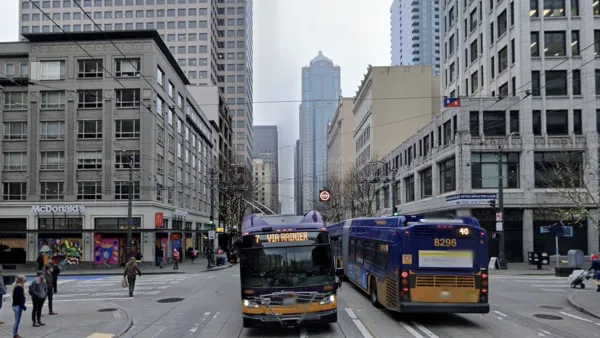
Op-Ed: A Bold but Attainable Vision for Seattle’s Third Avenue
The editorial board of The Urbanist lays out their plan for a reimagined Third Avenue that plays to the strengths of the corridor while improving safety and transit service.
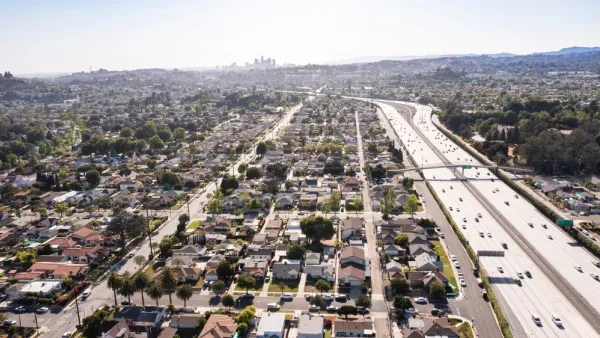
The Consequences of Sprawl: Overcrowded Housing and Covid Deaths
Los Angeles is the nation's capital of both crowding and sprawl. A feature published by the Los Angeles Times provides the history of how the metropolis achieved this contradiction.
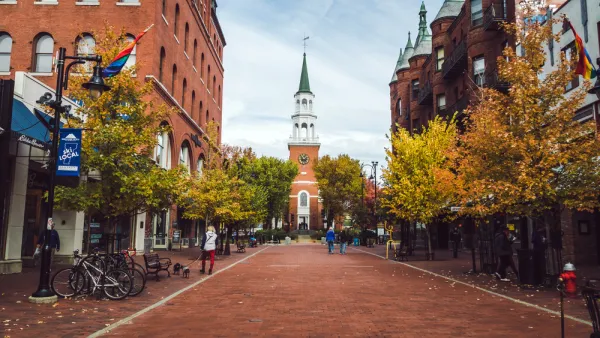
Burlington Could Eliminate Parking Requirements Citywide
A proposal to eliminate parking minimums in the entire city would also expand Burlington’s Transportation Demand Management program.
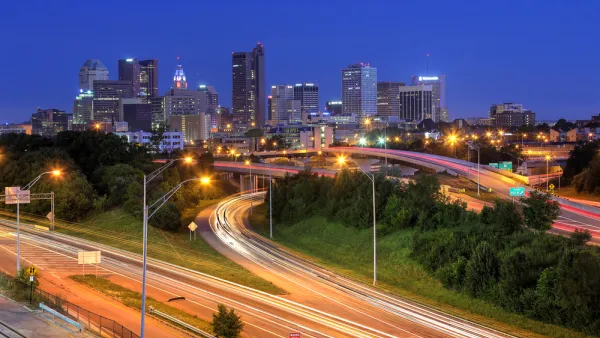
Visualizing Columbus Before Freeways
A new project uses historical records to reconstruct what Columbus neighborhoods looked like before freeways displaced them.

Chicago To Boost Vacant Lot Sales Program
The city hopes its incentives to buyers will help convert the thousands of city-owned vacant lots into housing, green space, or other productive uses.
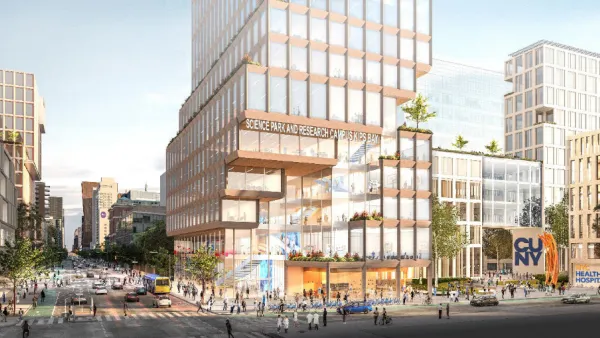
$1.6 Billion Life Sciences Campus Headed to Manhattan
A $1.6 billion project will transform a city block into a health and sciences hub.
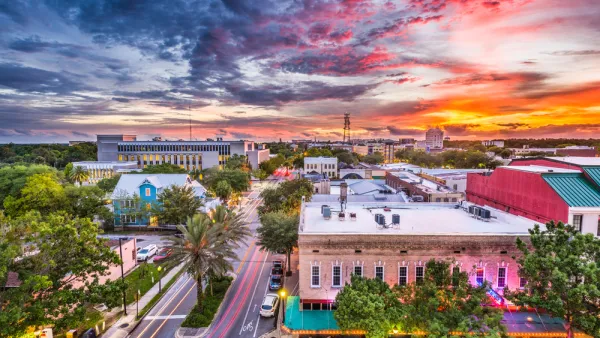
Gainesville Eliminates Single-Family Zoning
Gainesville is the first city in Florida to eliminate exclusionary zoning.

Caltrain Railyard Redevelopment Back on the Table in San Francisco
An incredibly complex development proposal for 20 acres of Caltrain railyard is back on the table, nearly a decade since it first made news in San Francisco.

Cities Rethinking the Value of Parking
The effort to reclaim public and private spaces from car storage had some setbacks since the days of al fresco and open streets in the first years of Covid-19. But widespread parking reforms and new evidence shows the public is rethinking parking.
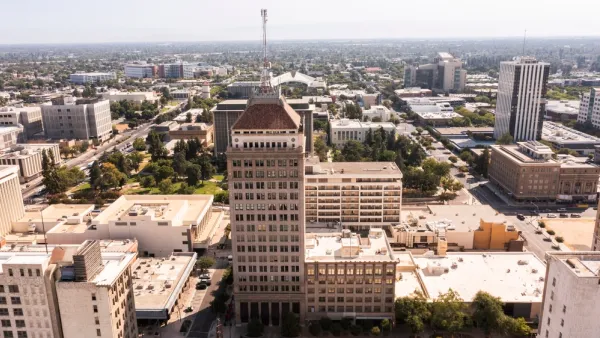
Fresno Development Will Provide Little Parking
The builder is relying on demand for lower-cost, transit-oriented housing units for residents who don’t own private cars, opting to provide only seven parking spaces for a 37-unit building.

How Banks Perpetuate Overbuilt Parking
Even as cities and states are reducing or eliminating parking requirements, lenders often require parking to release loans to developers.

Parking and Sustainable Urban Mobility
Parking policy, and any potential change in it, is a highly contested issue in most cities. The integration of parking measures into a Sustainable Urban Mobility Plan (SUMP) can help achieve long-term goals.

A Sweet Deal: Zoning for Honeybees
A Boston ordinance could make it easier for residents to take up urban beekeeping.

EPCOT: The Original 'Smart City'
What can today’s futurists learn from Disney’s unrealized utopia?
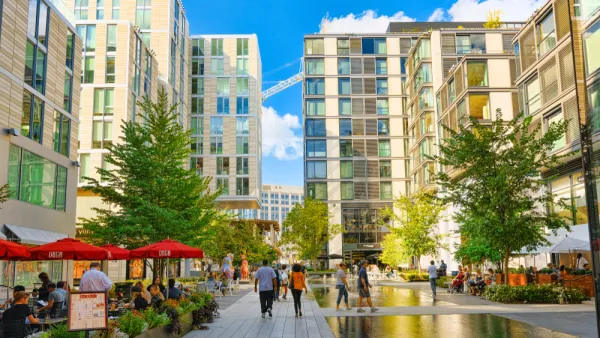
D.C. Regional Framework Emphasizes Equity, Connectivity
The Region United Framework for 2030 outlines a plan for sustainable, equitable development, calling for a 'holistic' approach to regional planning.

The Death of Parking Requirements
More cities and states are recognizing the harmful impacts of minimum parking requirements, which in many cases have accelerated sprawl and raised the cost of housing construction.

What Is a Woonerf?
The woonerf, a type of road design that encourages multimodal transportation and blends pedestrian and vehicle space, was born as a reaction to the car-centric development that began dominating American and European city planning in the mid-twentieth century.

Cities Plan to Sue Over Oregon’s Parking Reforms
Nine of the 52 cities impacted by the state of Oregon’s parking requirements changes, approved earlier this year, plan to sue to stop the reforms.
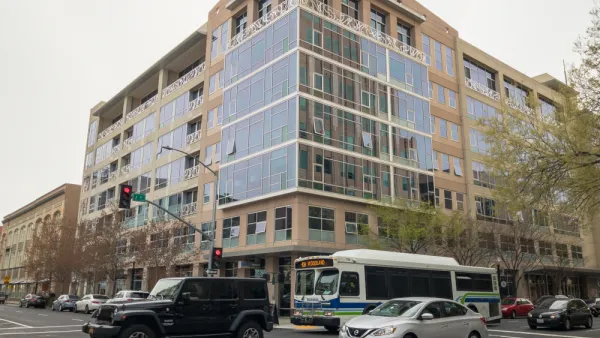
Affordable Housing Now Legal By-Right on Commercial Lots in California
One of the nation's most ambitious and sweeping statewide laws intended to spur affordable housing development was signed into law in California at the end of September.

The Inflation Reduction Act Missed a Chance to Rein in Car-Dependent Sprawl
The federal government is so far unwilling to reverse course on car-dependent sprawl. The Inflation Reduction Act is the latest example.

FREE Course: Walkable City 1: Why Walkability?
After describing his path towards focusing on walkability as the essence of good planning, Jeff Speck marches through his five principal reasons for making more walkable places.
Reinventing Malls: Planning Alchemy—Turning Gray Fields Into Gold
The course focuses on the opportunities and imperatives that shape reinvention of mall sites.

One Hundred Miles
County of Mendocino
planning NEXT
The Architects Foundation
University of Cincinnati Online
Montrose County
Northern Illinois Transit Authority (NITA)
The Pocatello Development Authority









