Land Use

Jane Jacobs and Zoning
Does the work of Jane Jacobs support restrictive zoning?

Shaping a 15-Minute City Vision for Detroit and Cleveland Using Data-Assisted Modeling
How master plans in the two cities hope to transform their historic, and historically underutilized, waterfronts.

‘We Will Chicago’ Plan Adopted in the Windy City
Chicago has its first “comprehensive plan” since the 1960s, but without a land use map, the “We Will Chicago” plan is devoted more to laying out the issues and challenges facing the city than setting new policies.

New York Hires ‘Public Space Czar’
The public space officer will be in charge of making the city’s sidewalks more pedestrian-friendly while keeping streets clean and accessible.

In Houston, Housing Loses Out to Freeways
TxDOT plans to demolish hundreds of apartments for its interstate widening project despite local calls to preserve the buildings as affordable housing.

Friday Funny: ‘Deregulation Works’
A tongue-in-cheek piece from The Onion calls the disastrous train derailment in Ohio a “deregulation success story.”

New All-Affordable Zone Proposed for L.A.’s Skid Row
A Los Angeles Times editorial argues that Skid Row’s future should learn from the mistakes of the past.

900 Rental Units Approved for 44-Acre Development in Boise
One of the fastest growing regions in the country is making room for more residents.

The Responsibility of the Building to the Street
Structural engineers are responsible for ensuring that buildings do not fall over. Mechanical engineers must ensure that people inside can breathe. But what responsibility do building designers have to the street outside?

New Plans for Transit Oriented Development in South Central L.A.
Los Angeles County recently adopted the Florence-Firestone Transit Oriented District Specific Plan.
Bay Area Towns Weigh ‘Infantilizing’ Proposals to Avoid State Housing Mandates
In another desperate bid to avoid rezoning for affordable housing, some Bay Area towns are pushing housing for developmentally disabled adults as an alternative—but the proposals are likely illegal, disability rights advocates say.

Op-Ed: Houston’s Memorial Park Centers Nature, Connectivity
The Houston Chronicle editorial board calls the newly redesigned park a “transformative” project, urging state transportation officials to take note.

City Dwellers Happiest in Parks, Angry at Transit Stops
An analysis of geotagged tweets reveals that city dwellers express positive emotions in green spaces and restaurants, while bus stops and transit elicited more frustrated reactions.

Cars Are Outgrowing Their Parking Spaces
As American vehicles grow taller, wider, and longer, more of them are having a hard time fitting in traditional parking spaces.
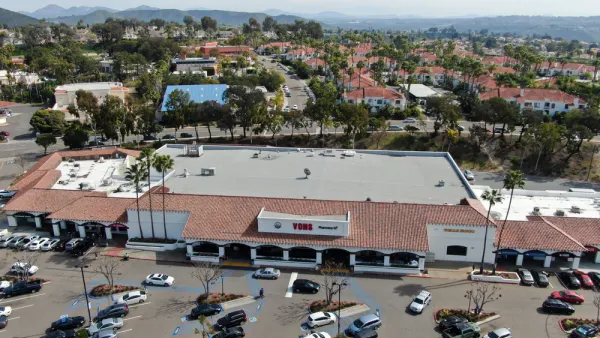
San Diego-Area EIR Ruling Could Slow Development
A court ruling that calls for environmental impact reviews to account for adjacent developments could significantly affect how government agencies and developers approach projects.
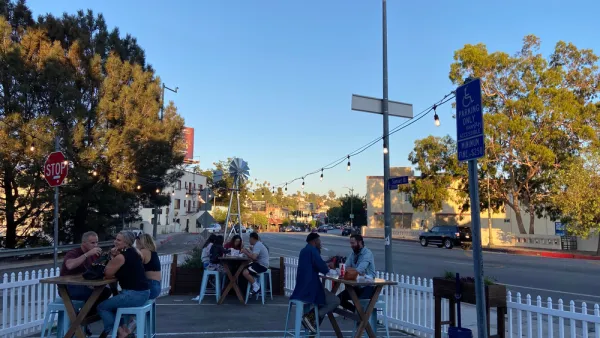
Proposed Outdoor Dining Ordinance Could Decimate L.A.’s ‘Al Fresco’ Dining
Restaurant owners say the new regulations proposed by the city for installing and maintaining outdoor dining areas would put them out of reach for many businesses.

Hawaii State Bills Could Limit or Expand Affordable Housing Law
Some legislators see a law that provides a zoning exemption to affordable housing builders as a necessary way to alleviate the housing crisis, while others worry about the impact of fast-tracked development on land zoned for conservation.

Cleveland: The Nation’s Most Equitably Walkable City
A new study assesses which cities have the broadest access to walkable neighborhoods.
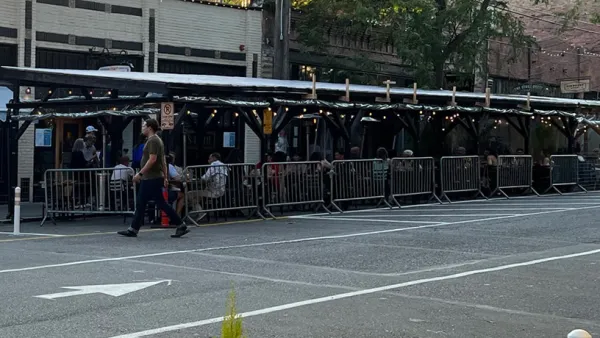
Seattle Historic District Could Remove Street Dining
Despite the popularity of Ballard Avenue’s outdoor dining pergolas, some district board members argue the patios don’t match the district’s historic character.

What Should Transit on the BeltLine Look Like?
Supporters of a proposed streetcar extension argue that Atlanta’s popular BeltLine corridor was always meant to include transit, making it more than just a recreational area.

FREE Course: Walkable City 1: Why Walkability?
After describing his path towards focusing on walkability as the essence of good planning, Jeff Speck marches through his five principal reasons for making more walkable places.
Reinventing Malls: Planning Alchemy—Turning Gray Fields Into Gold
The course focuses on the opportunities and imperatives that shape reinvention of mall sites.

One Hundred Miles
County of Mendocino
planning NEXT
The Architects Foundation
University of Cincinnati Online
Montrose County
Northern Illinois Transit Authority (NITA)
The Pocatello Development Authority









