Land Use
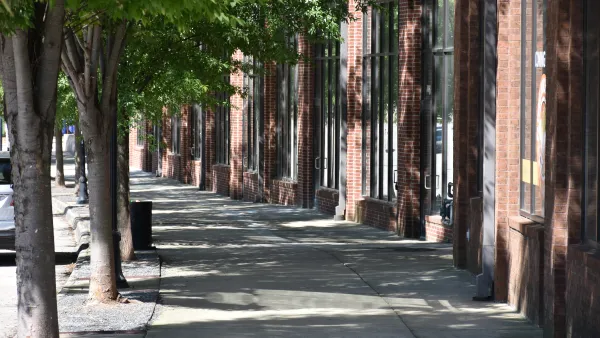
Cool Walkability Planning
Shadeways (covered sidewalks) and pedways (enclosed, climate controlled walkways) can provide comfortable walkability in hot climates. The Cool Walkshed Index can help plan these facilities.

Public Lands in the United States, Part One: “Redeemed From Wilderness”
This is part one in a blog series examining the history of public lands in the United States and their shifting role in the American psyche.
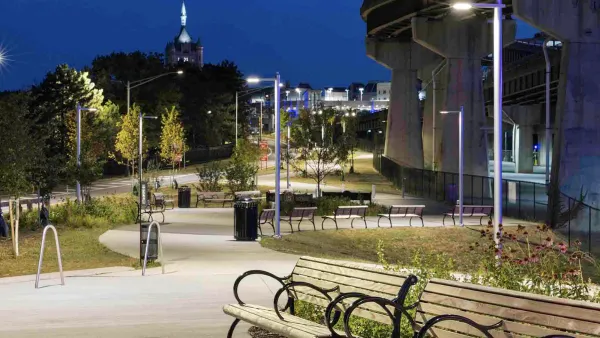
Albany Freeway Ramp Reimagined as Park, Trail
An underused freeway exit ramp is now an inviting linear park that connects the city to the Hudson River.
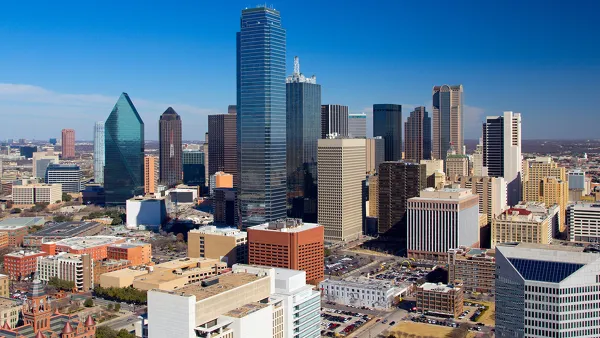
Vacant Lot Development Could Bring 100,000 New Housing Units to Dallas
Building on the roughly 76 million square feet of vacant land already zoned for multifamily housing could create badly needed rental housing units and slow the growth of rent prices.
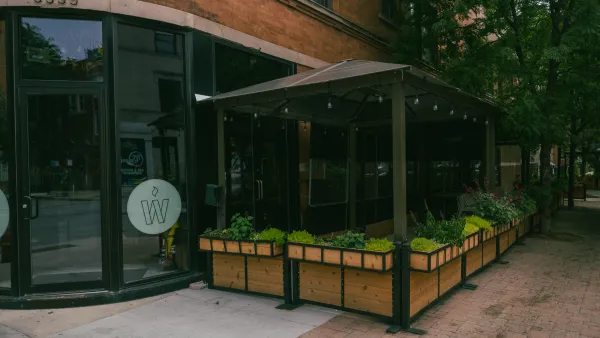
Chicago Mayor Proposes Permanent Outdoor Dining Program
The mayor’s proposal would create permanent rules for restaurants wanting to continue using their Covid-era outdoor dining setups or build new ones.
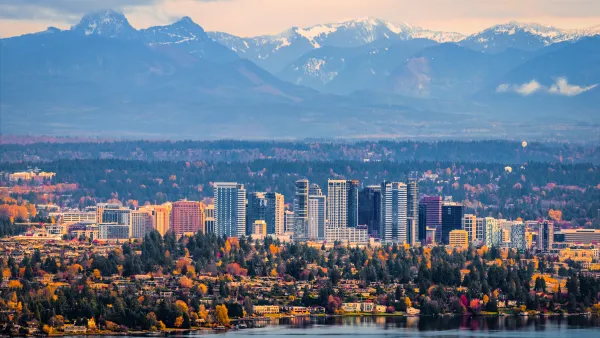
Bellevue Issues Curb Management Plan
The plan reorients the city’s priorities from vehicle throughput and parking to transit, bike infrastructure, and other public amenities.
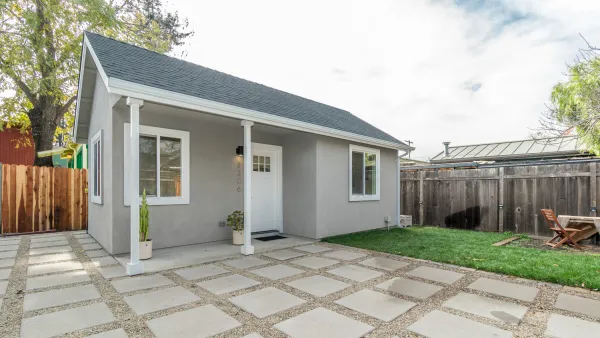
California Sees Spike in ADU Permits
Homeowners in the state are eagerly taking advantage of new laws allowing them to build additional housing units, making a small but significant impact on the housing supply.

Can Pickleball Save Dying Malls?
The popular sport is getting backlash for taking over parks and other facilities. Now, the industry is partnering with mall developers to transform old department stores into pickleball courts.
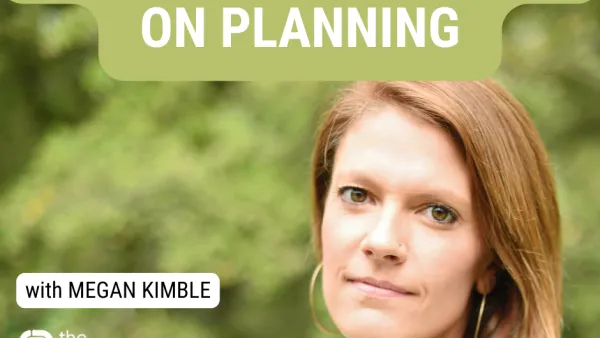
Through the Eyes of a Journalist: Megan Kimble Reflects on Covering Food Systems, Zoning Changes, and Highway Projects in the Southwest
Kimble’s interest in topics related to urban planning spawned from research and writing about food systems in the borderlands of Arizona. She then moved to Austin in the midst of the city’s update of its Land Development Code.

Transforming Downtowns Into Functional Neighborhoods
Rather than ‘monofunctional’ business districts or urban playgrounds, American downtown districts could become multipurpose neighborhoods.
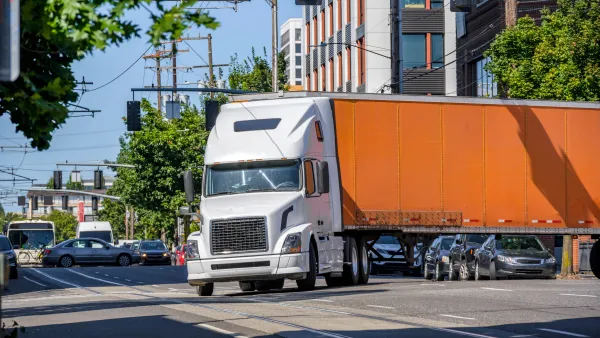
St. Paul Proposal Would Prohibit Large Trucks From Parking on City Streets
Residents and businesses are calling for a ban on trucks, which are increasingly taking up curbside parking in the city after neighboring Minneapolis instituted a similar rule.
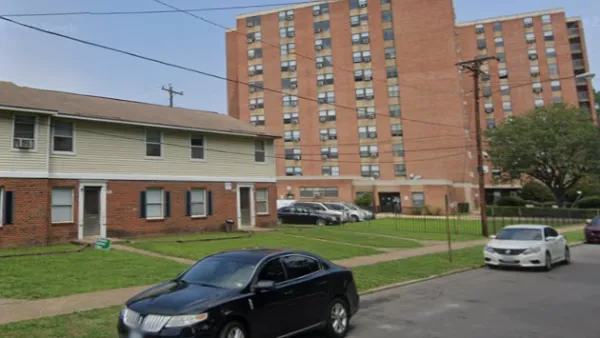
Richmond Banks on Private Redevelopment for Aging Public Housing Complex
The city hopes to see a mixed-use,mixed-income project replace the aging, “physically obsolete” Gilpin Court complex.
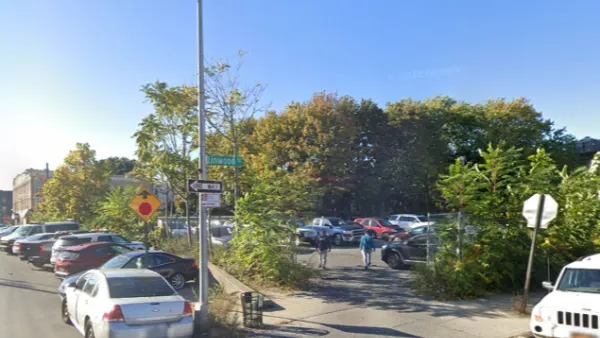
New Yorkers Need Land. NYPD is Sitting on Nearly 150 Lots.
A new map reveals how much land in New York City is being wasted by city police—often sitting vacant, rather than serving the public good.
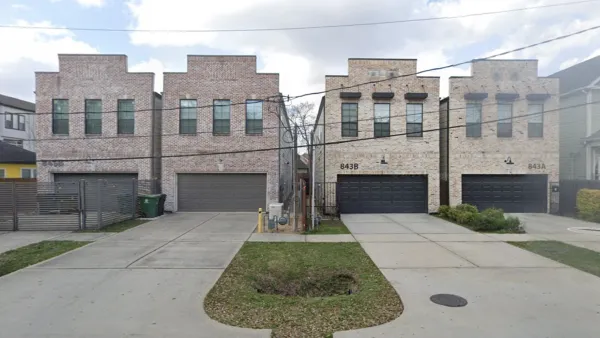
Houston Debates Shared Driveway Requirement
A proposed rule would require developers to build shared driveways for narrow lot projects.
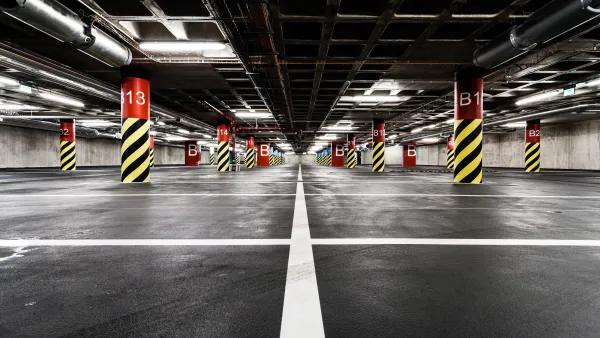
The Softer Side Of Shoupism
Journalist Harry Grabar takes Prof. Don Shoup's economic theories about parking (and over-parking) and illustrates them with compelling—and terrifying—stories about the role parking plays in America's cities.
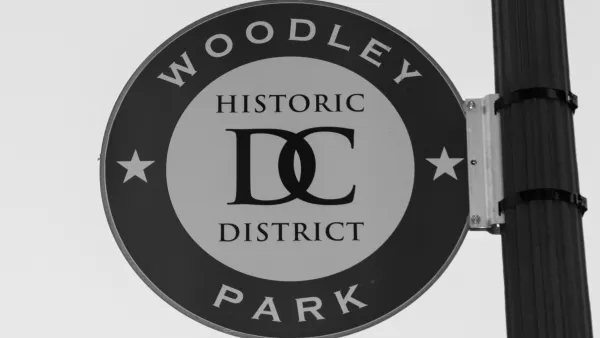
Zoning Changes Could Allow More Restaurants and Bars in D.C. Neighborhoods
Zoning can limit more than just multi-family housing.
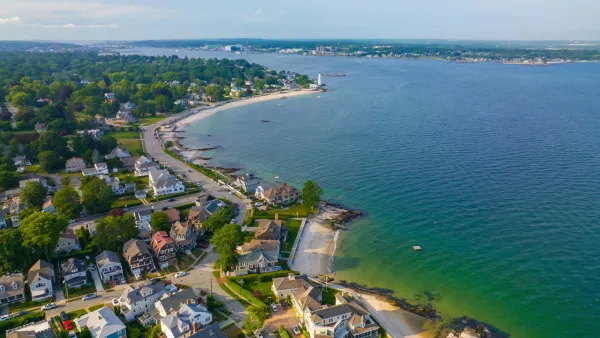
Connecticut Zoning Bills in Peril Near End of Legislative Session
Two bills that would change zoning rules to encourage more housing production and denser zoning are still in limbo as the legislature prepares to go on recess.
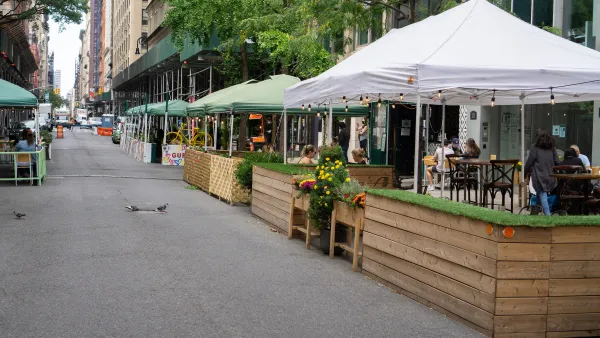
NYC Announces $30M for Open Streets Projects
The funding is designed to support open streets and public space projects in underresourced neighborhoods.
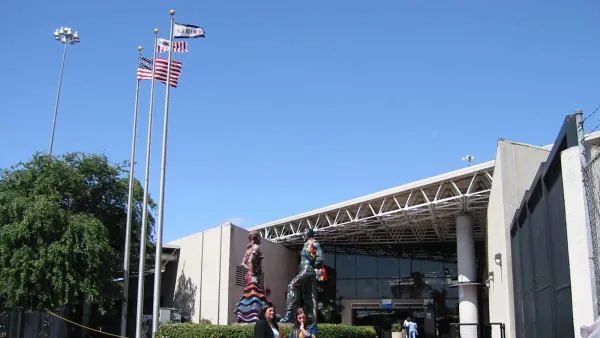
San Diego Region Plans for Rail Expansion, New Border Crossing, More Bike Lanes
The budget proposed by the San Diego Association of Governments focuses on a new port of entry, expansion of the regional bikeway system, and mitigating coastal erosion.

Minneapolis to Begin Environmental Review in Response to 2040 Plan Lawsuit
After environmental groups sought to stop the city’s ambitious comprehensive plan, Minneapolis is looking for ways to resume its implementation.

FREE Course: Walkable City 1: Why Walkability?
After describing his path towards focusing on walkability as the essence of good planning, Jeff Speck marches through his five principal reasons for making more walkable places.
Reinventing Malls: Planning Alchemy—Turning Gray Fields Into Gold
The course focuses on the opportunities and imperatives that shape reinvention of mall sites.

One Hundred Miles
County of Mendocino
planning NEXT
The Architects Foundation
University of Cincinnati Online
Montrose County
Northern Illinois Transit Authority (NITA)
The Pocatello Development Authority









