Land Use
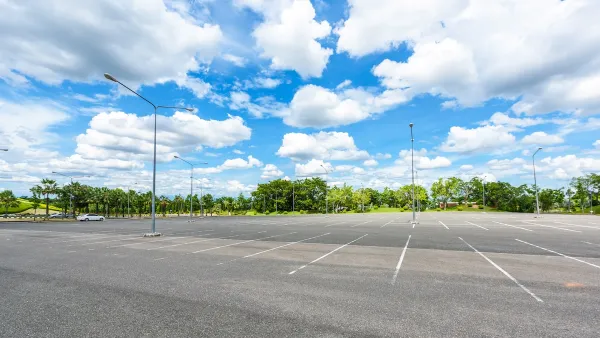
Parking Reform Yields New Housing
As more cities eliminate or reduce their minimum parking requirements, the impact on housing supply is coming into focus.
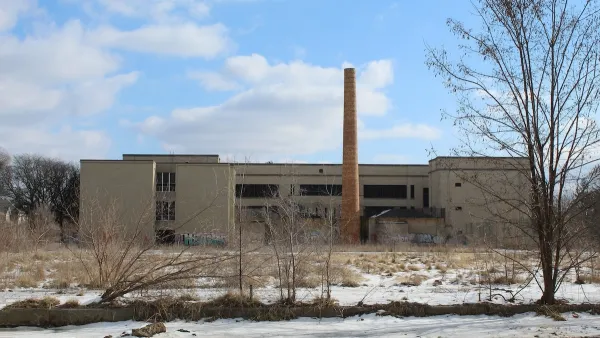
Repurposing Vacant Schools
Some communities are turning abandoned campuses into offices, art studios, and housing.
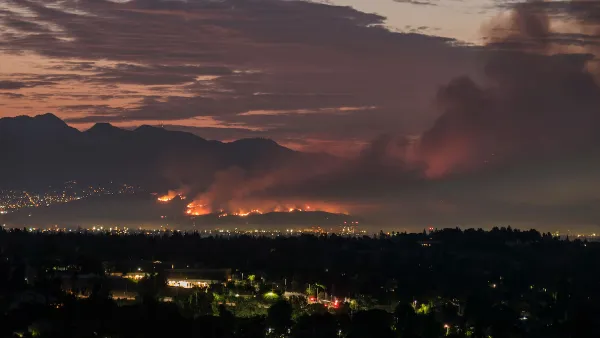
'Place Shock' and the Ecology of Fear
How to conceive of rebuilding places amid sudden change in a region known for its “ecology of fear?” As the city embarks on the arduous task of rebuilding, the question arises: how do we reconcile the imperatives of safety and sustainability with the deeply ingrained human desire for continuity, for a sense of rootedness in the familiar?
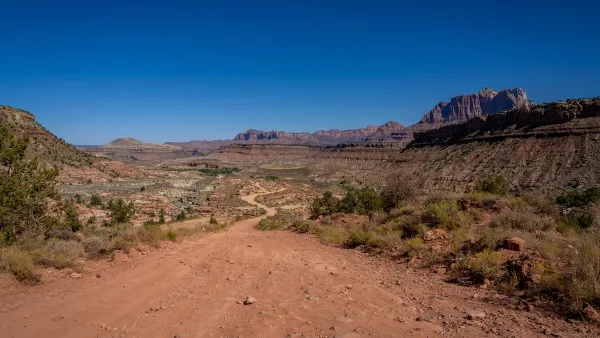
Supreme Court Declines to Hear Utah’s Case Against the BLM
The state wants more local control of public lands not designated as national parks or monuments.
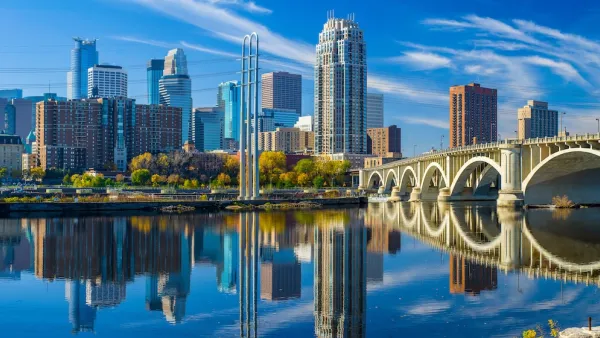
Looking Back on 60 Years of Land Development in the Twin Cities
In 1960, about 12 percent of the Twin Cities metro's land was already developed. By 2020, about 34 percent had been developed. Many factors influenced how the region has changed since 1960.
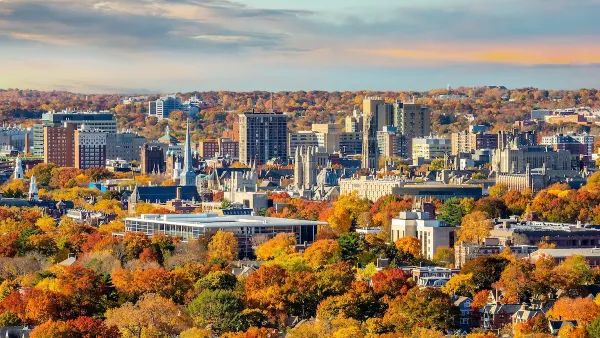
New Haven Reaches for Reinvention Amidst Failures of Urban Renewal
Seeking recovery from decades of failed urban renewal projects, New Haven rings in the new year by continuing a series of small-scale urban planning initiatives to reinvent its municipal spaces.

Planning Year in Review 2024: An Ongoing Housing Crisis, the Fight for Climate Resilience, and a Mixed Bag for Transportation
A pedestrian safety crisis, rising housing instability, and destructive extreme weather events set the stage for an eventful year.

Denver Pauses Multifamily Development in Westside Neighborhoods Amidst Gentrification Concerns
City officials say the pause on permits for redevelopment projects aims to stop the displacement of long-term residents.
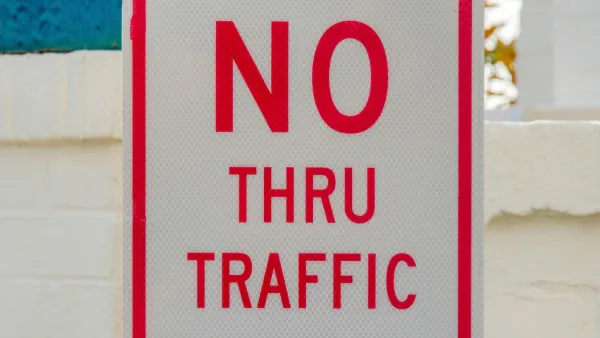
The Link Between Urban Design and Crime
A meta-study shows that public realm interventions can help reduce crime rates.
2024: The Year in Zoning
Cities and states are leaning on zoning reform to help stem the housing crisis and create more affordable, livable neighborhoods.
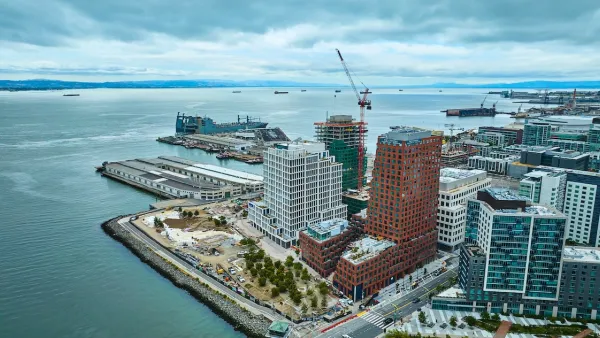
San Francisco Development Centers Pedestrians, Public Space
The Mission Rock project eliminates street parking, replacing it with public seating and landscaping.
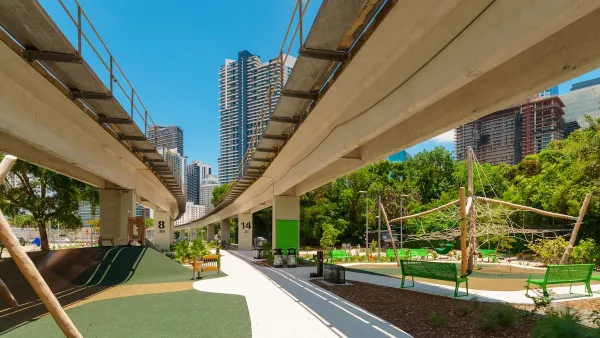
Miami’s Underline Linear Park Offers Recreation, Transportation, Conservation
A 10-mile park that runs under the Miami Metrorail is nearly complete and features bioswales for water conservation and public recreation facilities.
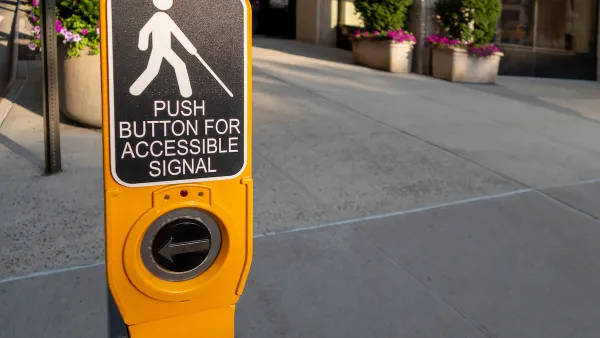
Accessibility and Car-Free Zones
Some critics of car-free zones call them exclusionary to people with disabilities, but other experts argue that, when properly planned, pedestrian enhancements improve safety and accessibility for everyone.
Accessibility and Car-Free Zones
Some critics of car-free zones call them exclusionary to people with disabilities, but other experts argue that, when properly planned, pedestrian enhancements improve safety and accessibility for everyone.
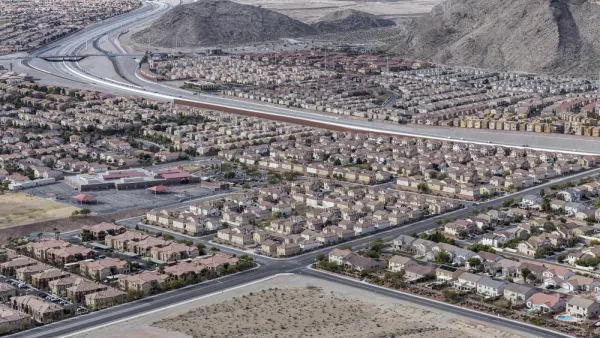
Research: Sprawl Linked to Poverty
Low-income families living in high-sprawl neighborhoods are limited in their access to education, jobs, and other amenities, often trapping them in a cycle of poverty.
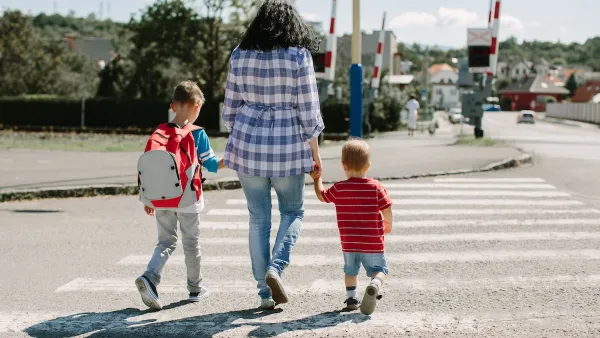
How Urban Design Can Benefit Parents and Kids
Designing thoughtful, child-friendly public spaces can ease the burdens of modern parenting and offer safe spaces for children to learn self-reliance and resilience.
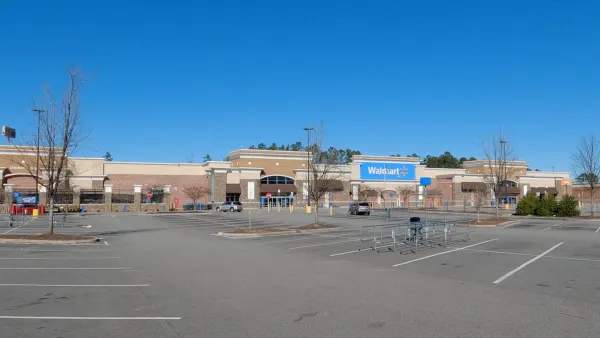
How Smaller Supermarkets Could Transform American Communities
Bigger is not always better.

December Must-Reads: Top 10 Articles From Last Month
Making room for more housing, fixing broken sidewalks, and our favorite books of the year.

Upcoming Conference Spotlights California's Orphan Wells
The 2025 Orphan & Idle Wells California Conference will address the environmental, economic, and public health challenges of abandoned oil and gas wells, focusing on remediation strategies, regulatory frameworks, and community-centered solutions.
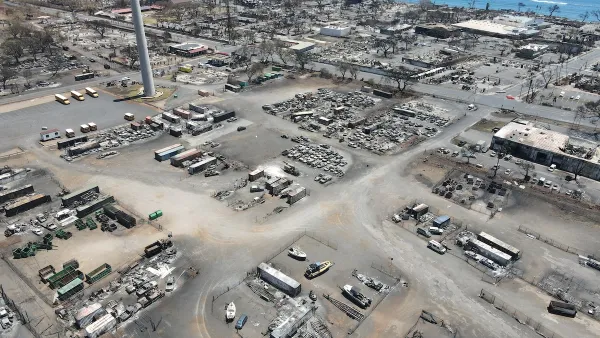
$2.1 Billion Secured for Maui Wildfire Recovery and Resilience
Congress has approved federal funding to support Maui’s wildfire recovery, including housing, economic development, and infrastructure improvements while fostering long-term community resilience and preparedness.

FREE Course: Walkable City 1: Why Walkability?
After describing his path towards focusing on walkability as the essence of good planning, Jeff Speck marches through his five principal reasons for making more walkable places.
Reinventing Malls: Planning Alchemy—Turning Gray Fields Into Gold
The course focuses on the opportunities and imperatives that shape reinvention of mall sites.

One Hundred Miles
County of Mendocino
planning NEXT
The Architects Foundation
University of Cincinnati Online
Montrose County
Northern Illinois Transit Authority (NITA)
The Pocatello Development Authority









