History / Preservation

New River Gorge is America's Newest National Park
The 72,000-acre West Virginia gem joins an illustrious list as the 63rd U.S. national park.
Lone Star Grid
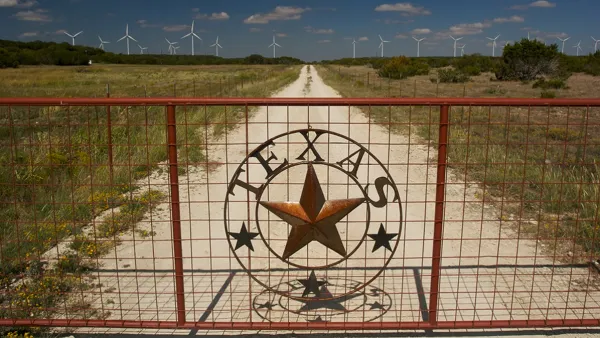
The Arctic blast that shut down power to millions of Texas households last week has brought renewed attention to the isolated Texas power grid that prevented the operator from importing out-of-state electricity.
Blaming ERCOT
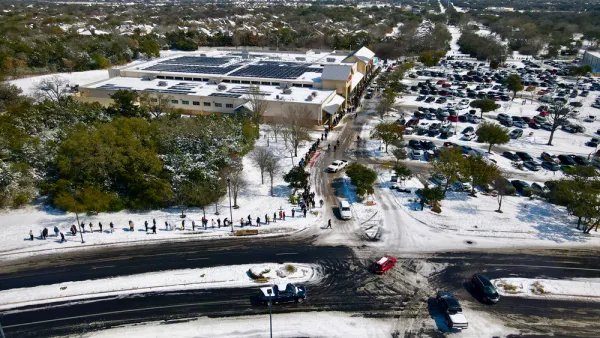
The Electric Reliability Council of Texas (ERCOT), the nonprofit, independent power grid operator for 90 percent of the nation's second-largest state, has become the convenient fall guy for the epic power failure caused by an extreme weather event.
Historic Preservation as a Tool of Exclusion
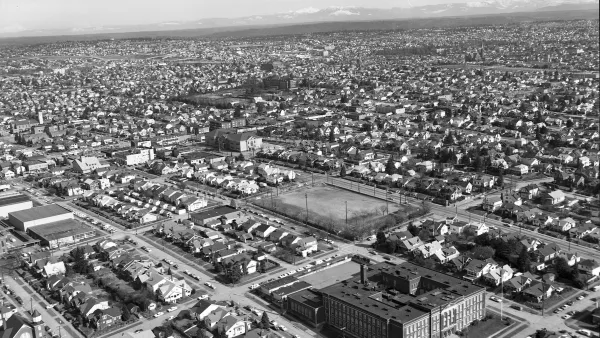
The push for historic preservation districts often amounts to exclusionary zoning that exacerbates the housing affordability crisis.
Philadelphia Neighborhoods Leverage Zoning Overlays for Local Control
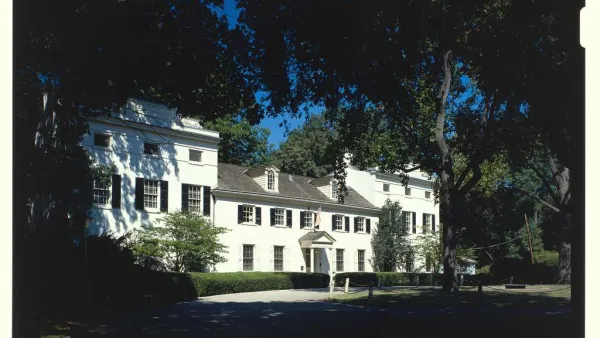
Overlay districts provide a tool for guiding the future of development and environmental controls at the neighborhood level.
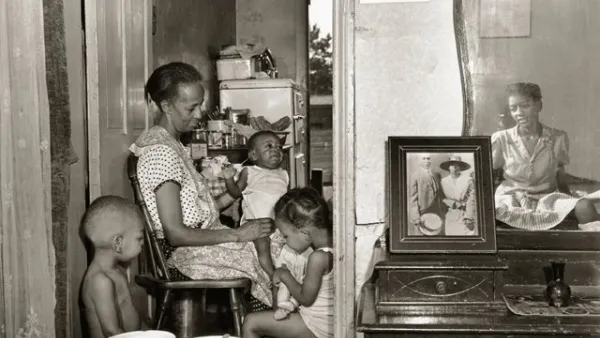
Repositioning Black Urbanists in the History of Planning
The history of planning is dominated by a few iconic figures—all white.
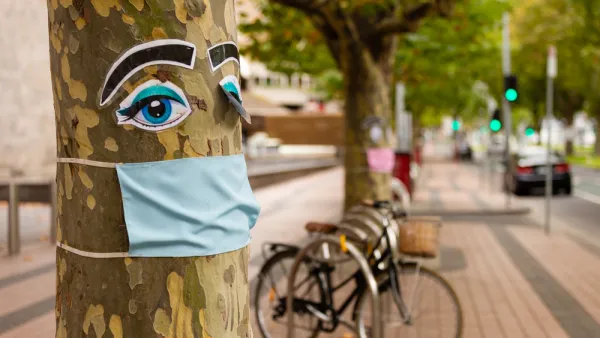
Post-Pandemic: Living with COVID
With coronavirus Infections decreasing and vaccinations increasing throughout the nation, health and science reporters are writing about what the end of the pandemic may look like—from a disease perspective.
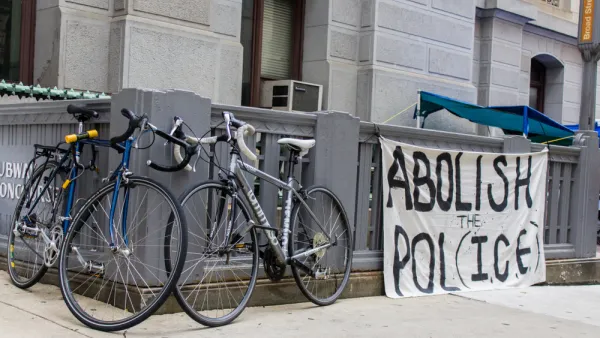
What's Abolitionist Housing Policy?
Abolition—as a mode of mobilization and social change directed at the criminal legal system and elsewhere—remains widely misunderstood.
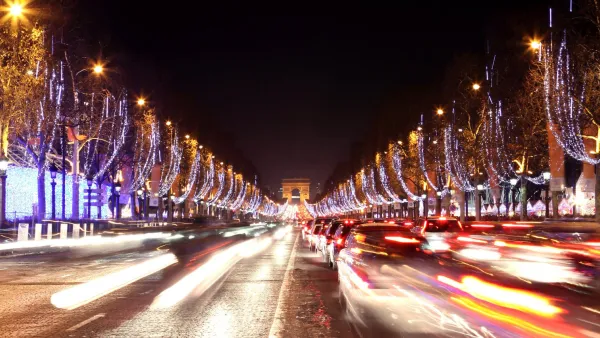
'The World's Most Beautiful Avenue' Getting A Green Makeover
Paris Mayor Anne Hidalgo approved a new plan to revitalize the Champs Élysées ahead of the 2024 Summer Olympics.
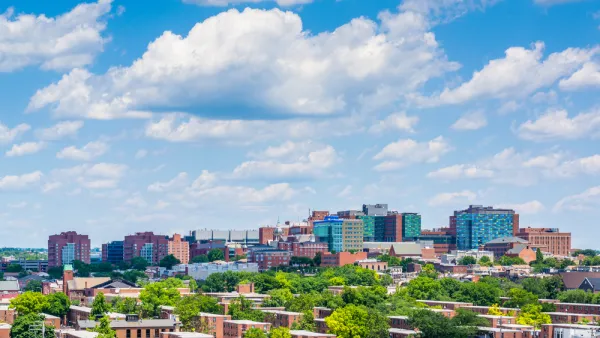
Health Care Institutions Must Acknowledge Their Role in Neighborhood Change
If those in health care seek to develop new ways to help patients stay in their homes, they must also find ways to temper how they affect communities in which they reside.
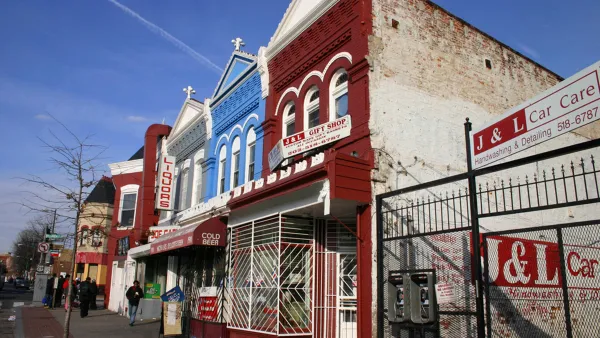
Is Anti-Growth the Wrong Approach to Fighting Gentrification?
Limiting development has been a powerful tool for anti-gentrification activists, but have these policies had counter-productive effects?
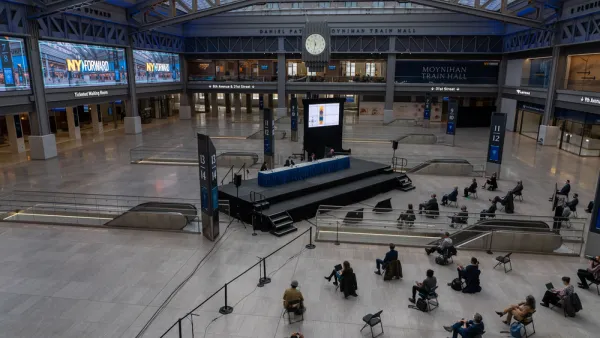
New York's Moynihan Train Hall Opens to the Public
The spacious, glass-ceilinged hall brings much-needed breathing room to the nation's busiest train station.
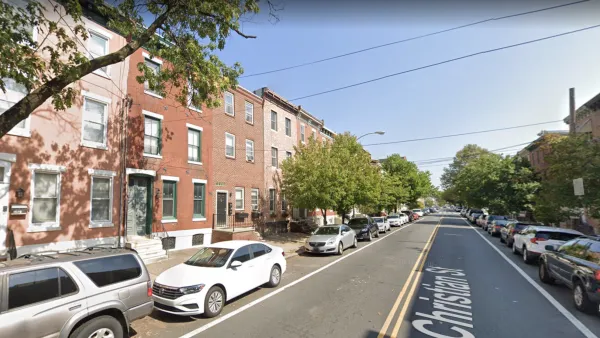
Preservation Blind Spot Apparent on Philly's Black 'Doctor's Row'
Christian Street, known at the beginning of the 20th century as the Black "Doctor's Row" should have been on the Historic Register years ago, according to this article.
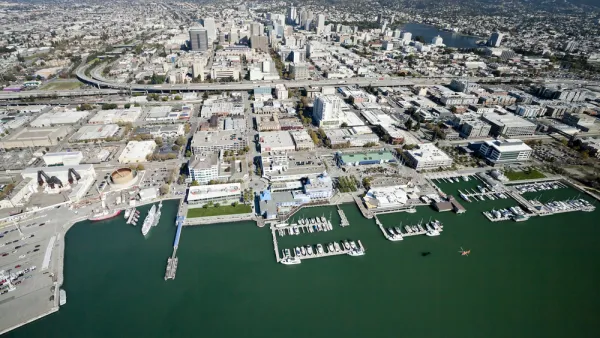
I-880 Reconfiguration Takes Another Step Forward in Oakland
The Oakland Alameda Access Project, in the works since 1997, is meant to relieve traffic congestion and improve safety for pedestrians and cyclists in Oakland's Chinatown neighborhood.
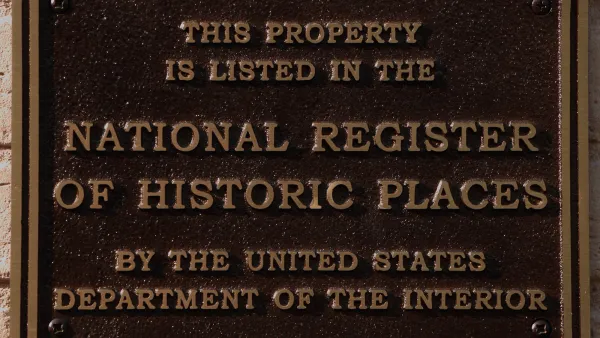
It's Time to Diversify the National Historic Register
The network of historic sites honors important events in the nation's history but overlooks places related to women and minorities.
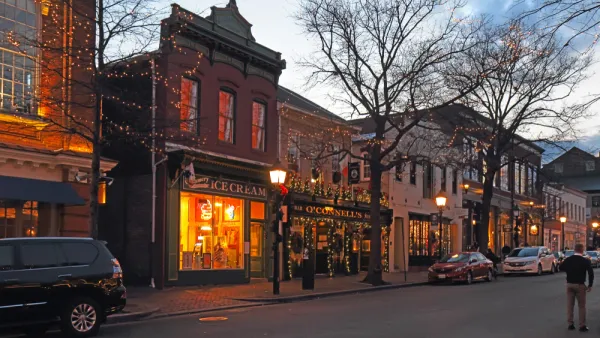
Civil Rights and Historic Preservation: A Case Study from Northern Virginia
The civil rights debates of the 1960s and 1970s influence city planning in Alexandria, Virginia to this day.
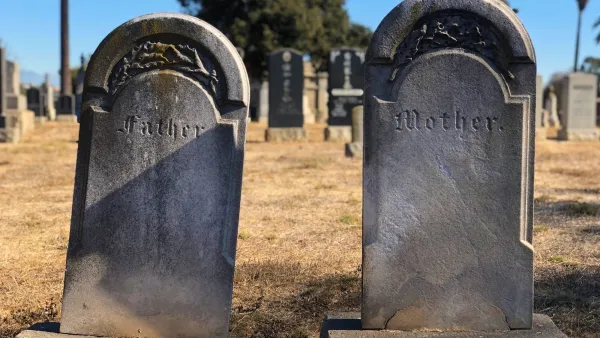
The Race to Preserve America's Black Cemeteries
America's historic Black cemeteries, which have long fallen victim to displacement, relocation, and outright destruction, could have a new ally in the fight for preservation and recognition.
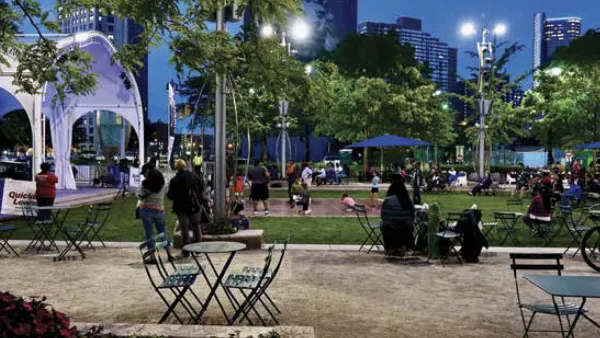
A Farewell to One-Size-Fits-All Urbanism
Sustaining culture and character is more than a black or white proposition. It requires a careful blend that depends on local circumstances, meticulous research, and self-knowledge.
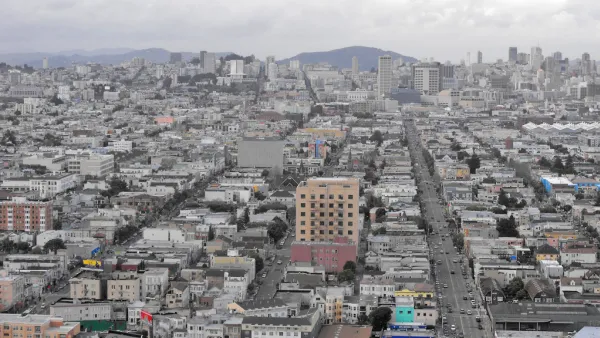
Arts-Oriented Land Trusts Preserve Affordable Cultural Spaces
A community land trust in San Francisco is buying up properties with the goal of preserving affordable spaces for arts and culture.
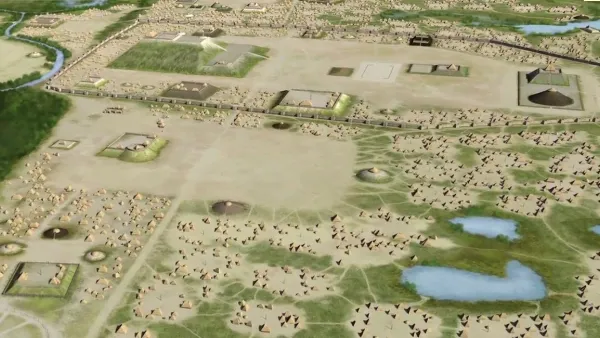
Decolonizing the Settler City
What can America's first great immigrant city tell us about placemaking in support of social and spatial belonging?

FREE Course: Walkable City 1: Why Walkability?
After describing his path towards focusing on walkability as the essence of good planning, Jeff Speck marches through his five principal reasons for making more walkable places.
Reinventing Malls: Planning Alchemy—Turning Gray Fields Into Gold
The course focuses on the opportunities and imperatives that shape reinvention of mall sites.

Greater Baltimore Committee
Eagle County Government
Harvard University Graduate School of Design
The Architects Foundation
University of Cincinnati Online
The Pocatello Development Authority
The Urban Renewal Agency of the City of Pocatello
Journal of the American Planning Association