In a city long designed to maximize light during dark Scandinavian winters, climate change is forcing the Danish capital to rethink its relationship with the sun.


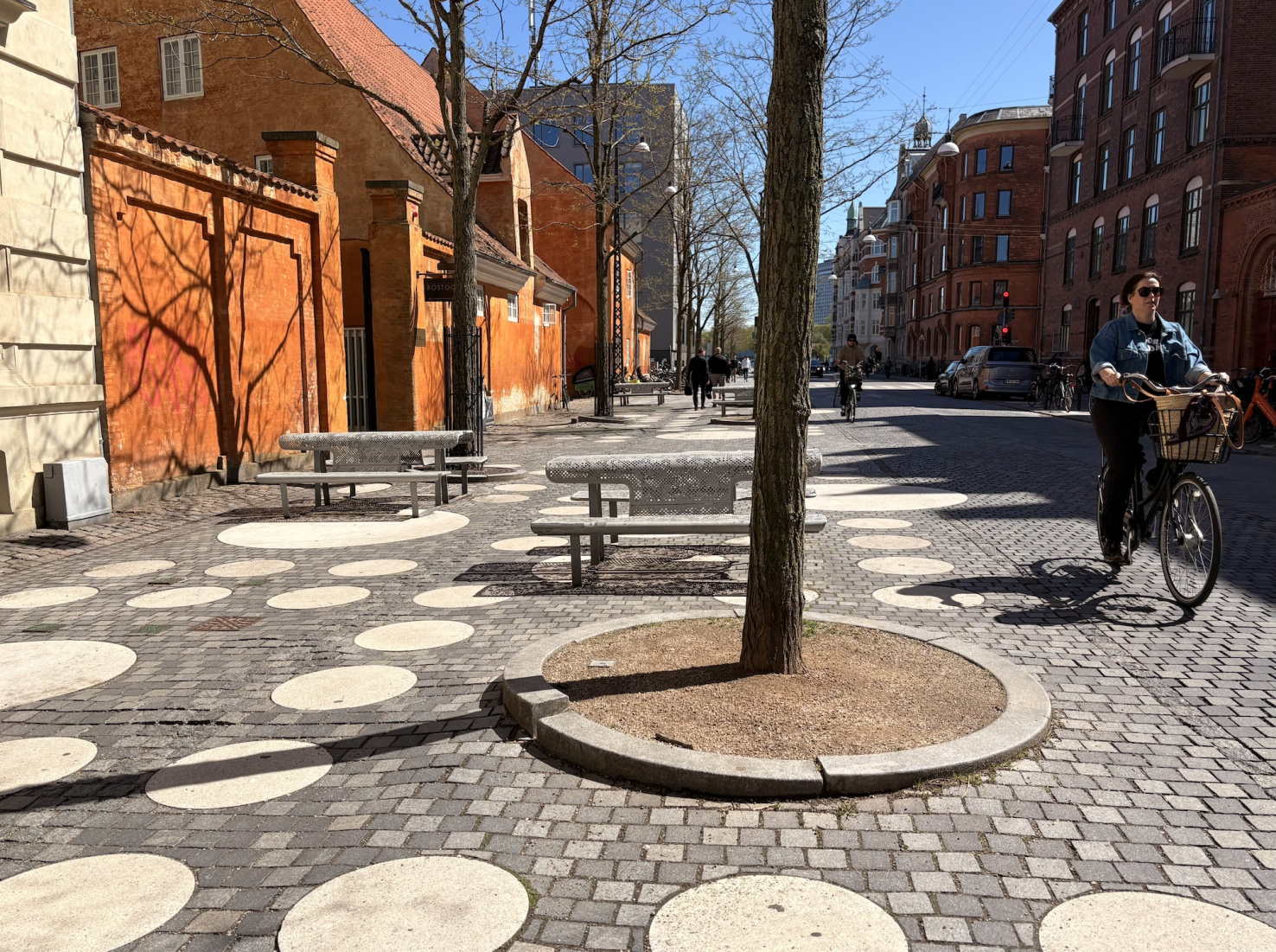
I’ve chosen a route made for walking. I’m off to attend an event at Copenhagen’s Danish Architecture Center (DAC) about the successes and failures of how we build cities. I find myself walking down Vester — a once-busy road for motorists that was semi-pedestrianized in 2013 with the help of a design team from Gehl, the local "Cities for People" consultancy that has long since gone global.
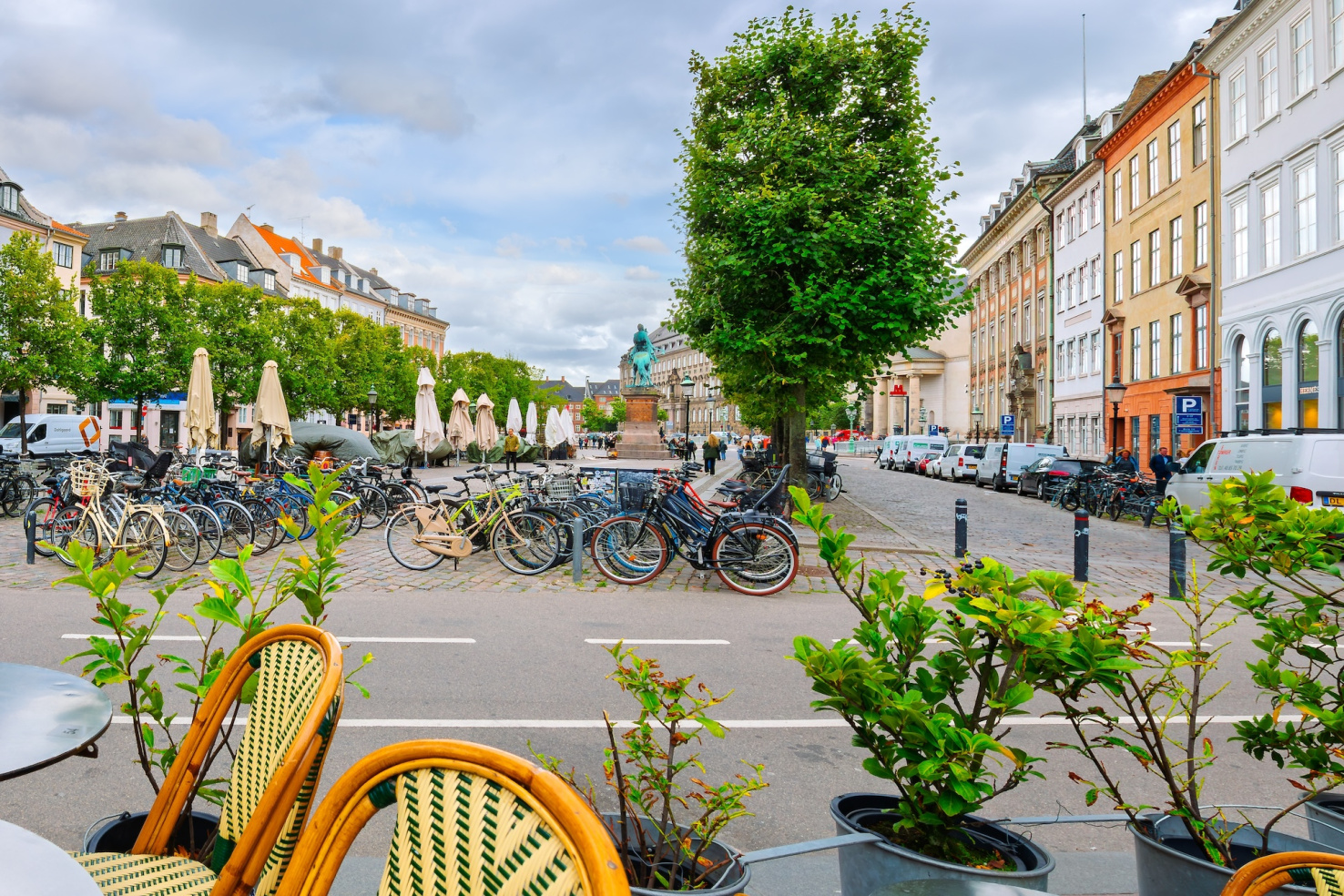
The northern side of the street — the sunny side — was confiscated from motorists and given over to people on foot. It’s beautiful. There are lovely seating areas, well-used bike parking lots, provocative public art and shapely sidewalk carpets — the kinds of things that make a city planner’s heart sing. However, Vester Voldgade lacks lush vegetation and sufficient trees for shade.
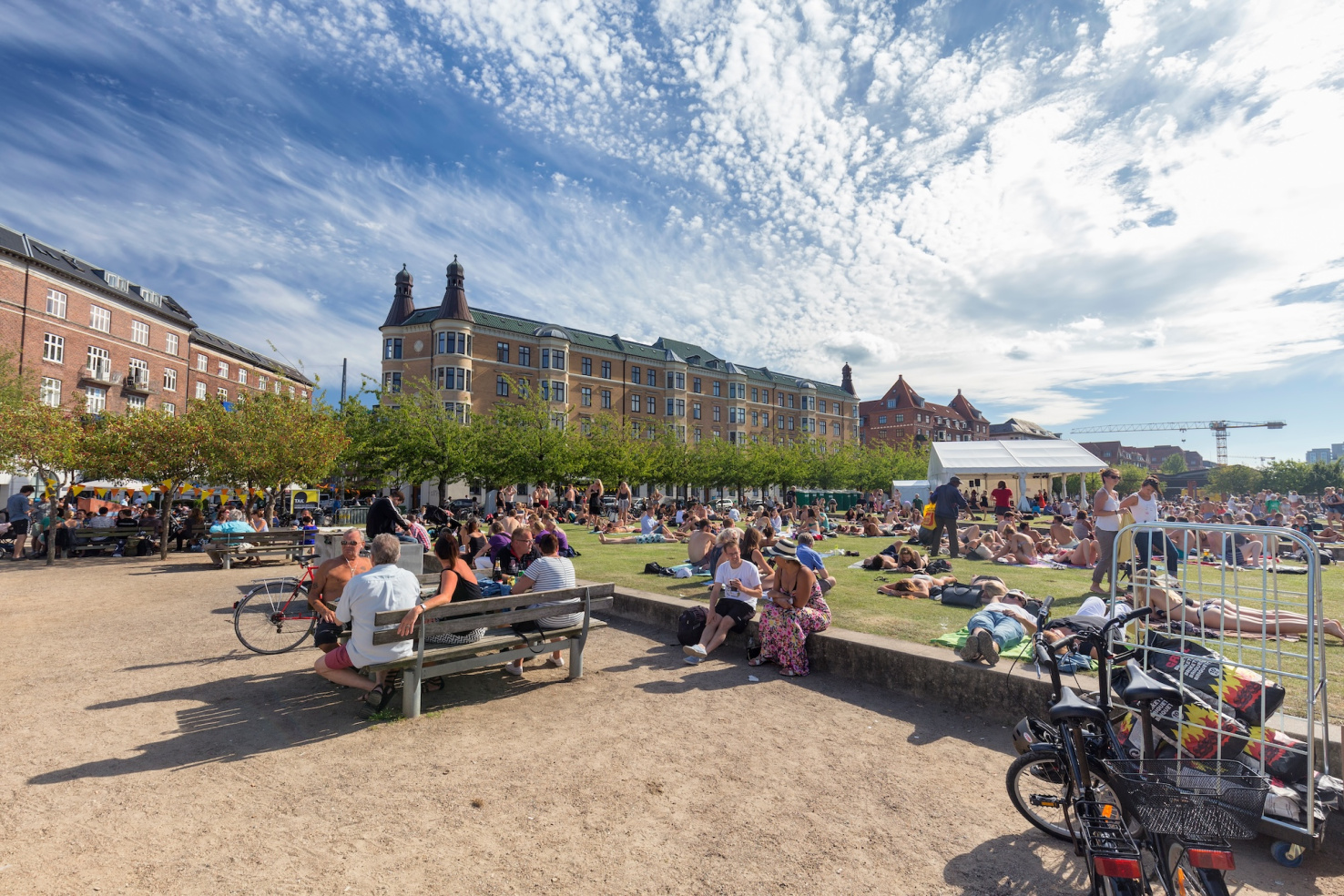
This is typical design for Scandinavian cities. Northern latitudes bring short days for much of the year, and cold winds visit as often as they can. Northern European cities have long prioritized maximizing sun exposure for pedestrians and sidewalk café patrons.
But times are changing.
Copenhagen is even farther north than other well-known winter cities such as Edmonton, Canada, and Omsk, Siberia. Yet even here, heat waves have crept into the local consciousness. The idea of maximizing shade used to be unimaginable this far into northern Europe. But Europe has become the fastest-warming continent in the world. Now, the predominant feeling among Copenhagen’s urban designers is "whoopsie." When touring the city, I can easily count the lost opportunities.
Add to this the fact that extreme weather events are mounting in frequency. The oddly named "cloudburst," for example, turns out to be far less whimsical and more ominous than it sounds: it is the Scandinavian term for what much of the world would call a flash flood. The need for better stormwater management is clear.
Danish governments are scrambling to catch up to the changing circumstances. The 2011 cloudburst, which followed on the heels of a heat wave, caused an estimated DKK 5–6 billion in damage — approximately US$1 billion at the time — in Copenhagen alone. Since then, Denmark has targeted an investment of US$590 million into stormwater management and absorption, as well as ecological restoration and tree planting to reduce stormwater runoff and to ensure shade and comfort for residents during future heat waves.
There’s still more to do.
A lack of greenery
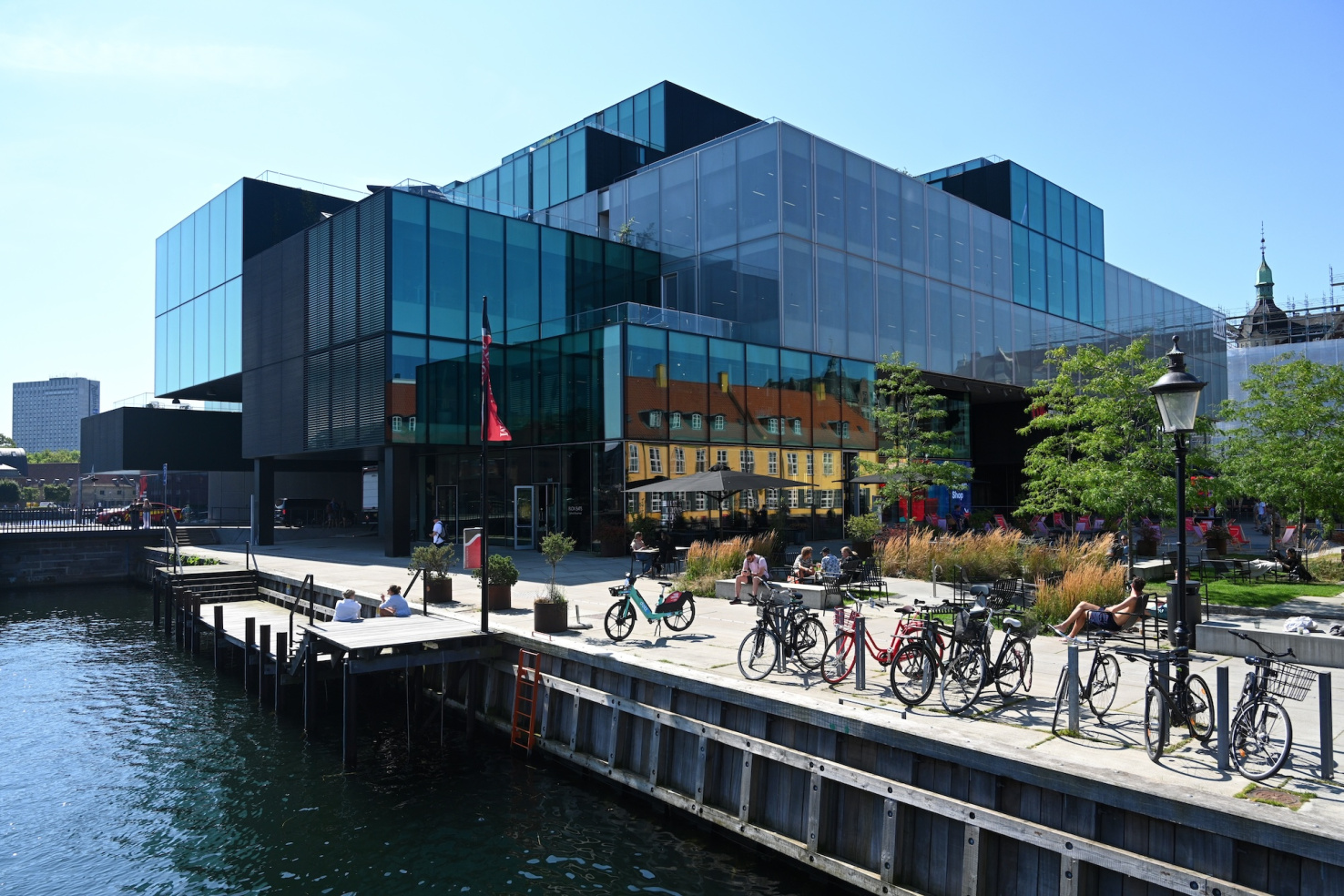
When I arrive at the Danish Architecture Center, I head upstairs for the event. In my initial wanderings, I noted the lack of greenery in central Copenhagen, but that isn't the whole story. Denmark is known for design-forward urbanism, and that reputation is well deserved. I’ve enjoyed wandering around Copenhagen, and I’m at the event to learn more about the Danes’ approach to urban planning.
The lack of urban vegetation comes up early during the audience Q&A. Herbert, a middle-aged man in a blue shirt, is the first one to speak up. "I have lived here in Denmark my entire life," he says. "I really like how they have modernized this part of Copenhagen and built so many beautiful buildings with beautiful architecture. But personally, I think there is a lack of greenery."
The moderator for the panel discussion, Bjarne Jenson, picks up the point with stronger language. "Just looking out the windows [behind us], here is another place where you often get the comment, Where are all the trees? Why are there no trees at all? How did that happen?"
Bjarne continues, "I think [it is] a place which was designed at a time where planners thought that, the city is for the city, and the nature is out in the nature, and there should not be trees here — we want clear lines. And now we think differently."
Following the event, I’m invited to the rooftop restaurant with some of Copenhagen's built environment luminaries. The cool wind on the roof is strong — my weather app says it’s 14 degrees Celsius but feels like 8 — but as long as there’s sun in the clear sky, the group clings to the open air.
I introduce myself to the DAC’s Chief Executive Officer, Kent Martinussen, who is celebrating a quarter century at the helm. Kent is a well-dressed bon vivant with a wry smile. He urges me to visit an area of the city that serves as an example of both flood mitigation and social innovation. Indeed, he’s so keen on me visiting the site that he runs off mid-sentence, and only when he is back do I realize that he went to fetch a scrap of paper and a pen from the bistro staff. 'Karens Minde Wagnerwej' is written in bold script on the back of a receipt, which he hands me with his signature grin.
A new approach
Copenhagen has long been recognized as a global leader in designing for solar access in a low-light climate — prioritizing sunlit public spaces, street and building orientations and seasonal comfort by maximizing sun and minimizing shade and easterly winds. Climate change is increasingly shifting this focus: planners are rethinking their climatic priorities with a new dedication to green infrastructure and a new approach to design. The Copenhagen City Council adopted a Cloudburst Management Plan in 2012 as an offshoot to the 2011 Copenhagen Climate Adaptation Plan. In 2015, the city approved a full-scale rollout of 300 cloudburst projects over 20 years.
According to Europe’s Urban Governance Atlas, Copenhagen’s financing of the Cloudburst Plan was enabled by the city government successfully pushing for a change in national legislation to allow the use of revenues from a water usage fee. This new source of revenue, in combination with private financing and other tax revenues, allowed substantial investment in the water management system — no small feat. The city has been hard at work making good on this plan, and the evidence is everywhere.
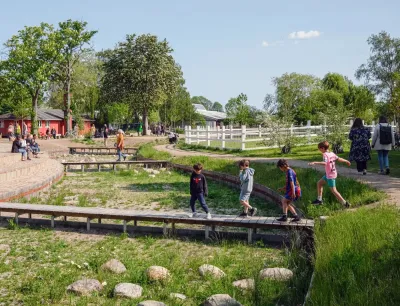
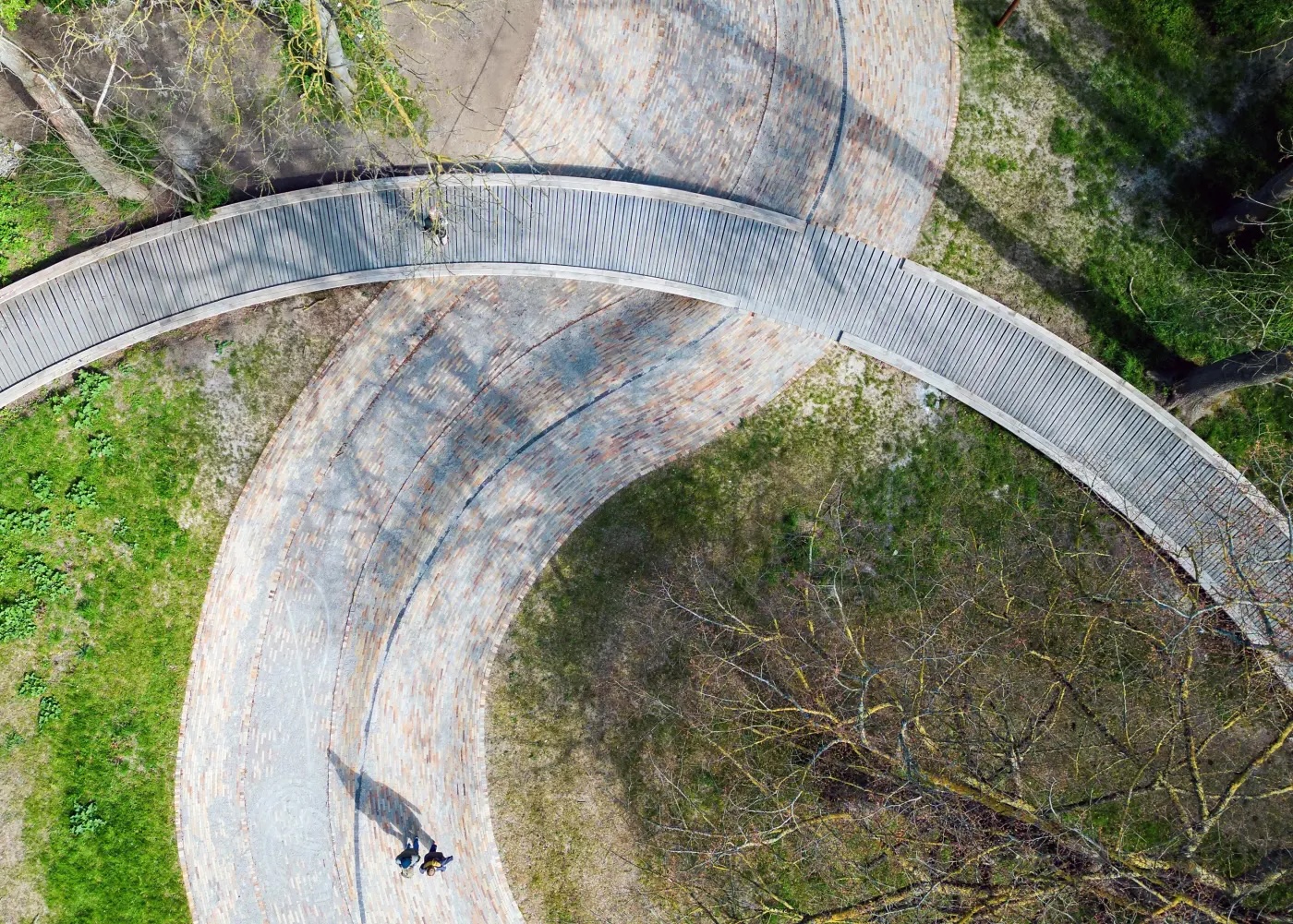
Seven new "cloudburst catchment areas" dispersed throughout the city contribute to the city’s blue and green infrastructure and prevent flooding. The Music Quarter (Musikkvarteret) in the South Harbour (Sydhavn), which surrounds Copenhagen’s Karens Minde Culture House, has also seen a major climate-adaptive transformation. Karens Minde Aksen, which translates to "Karen’s Memory Axis" in English, is the 600-meter-long refurbished park that winds through this diverse, lower-income, tight-knit neighborhood. Designed by Danish landscape architect Schønherr, the project was delivered to the city by WSP in 2023 and was nominated for a Green Cities Europe Award in 2024.
A winding path
Despite Kent Martinussen’s strong recommendation that I visit the neighborhood colloquially known as Karens Minde, it’s my second-to-last day in Denmark by the time I finally make it there. After enjoying travels around Copenhagen by foot, bike, train and metro, I’m taking my first bus, and it’s pretty sweet: very clean, with a clear right-of-way on city streets.
Unfortunately I haven’t kept tabs on my smartphone battery, and it dies while I ride towards the South Harbour. I’m on my own, without GPS. It feels very old school. Luckily, I remember my bus stop, and I use my urban orienteering skills (which include a fair amount of talking to strangers) to get to the heart of the neighborhood’s blue-green transformation.
One local, who recently moved here from a rural region of Denmark, is out walking her matching mother-and-daughter dogs, and I ask her for directions. She takes me under her wing. We spend at least twenty minutes together, following the yellow-brick pathway that doubles as a riverbed at the centre of the park. The bricks and wooden boardwalks beneath our feet morph into a dirt path that skirts a human-built wetland designed for rainwater retention and purification. We circle behind a large naturalized basin with underwater cisterns. As we wander, my companion points in all directions and explains the wonders around us with great pride: what new wildlife the pond has attracted, where the community can hold affordable events and where she sees children and families enjoying themselves the most.
"I couldn’t afford a condo in any other neighborhood of Copenhagen," she says. "Now, I wouldn’t want to live anywhere else."
Sunlight and climate resilience: a delicate balance
As heat events intensify and flooding becomes more frequent, planners and engineers in northern climates are increasingly designing for shade, cooling and flood mitigation. Northern urbanism is not about abandoning the sunlight; planners and urban designers are still attentive to welcoming the scarce winter light. But they now design for summer shade and heat mitigation, too. Planners use tools such as heat vulnerability mapping, urban forestry strategies, climate-adapted schoolyards and a range of pilot projects that treat shade as essential civic infrastructure rather than an incidental perk.
Copenhagen isn't alone. Edmonton, despite being a very northern city with harsh winters, has a plan to increase its urban forest canopy by 20% by 2071. Tallinn, Estonia built a 13-kilometer-long "Pollinator Highway" along an old railway track that will double as a cooling corridor. Even Fairbanks, Alaska — the site of that state’s first-ever heat advisory — is demonstrating nascent recognition of the urban heat island effect and increased heat variability.
Northern cities are changing with the climate. Copenhagen might be leading the way.
—


Planting for Change: How Trees Are Powering Climate Action
"Combating Climate Change with Trees" highlights how Southern California communities are strategically planting and nurturing urban forests to cool neighborhoods, improve air quality, and advance environmental justice.
Quantifying How Urban Trees Cool Cities
A new tool can help cities understand the benefits of tree planting efforts at the municipal scale.
Green blocks are up to 4 degrees cooler than treeless streets
The difference in temperature created by urban trees can translate to as much as 40% less excess heat.

Planetizen Federal Action Tracker
A weekly monitor of how Trump’s orders and actions are impacting planners and planning in America.

‘Going backwards:’ Baltimore mayor, students rally against state's transit funding plan
Maryland's proposed six-year plan provides no funding for Baltimore’s BMORE bus program and reduces its road maintenance funding.

Detroit to transform waterfront with $2.2 billion investment
Developers will convert about 18 acres of unused parking lot space into civic spaces.

Data center developers are using lawsuits, cash offers to ‘overwhelm’ rural America
Newsrooms in five states worked together to uncover the tactics big tech developers use to buy land from reluctant communities.

U.S.-Iran war may have ‘devastating’ impact on cost to warm homes
Vermont and Maine residents may see a 76% increase in the cost of warming their homes this winter.

Senate bill would ‘overhaul’ environmental permitting laws
Under the proposed act, government agencies would also not be able to suspend or rescind permits after granting them.

FREE Course: Walkable City 1: Why Walkability?
After describing his path towards focusing on walkability as the essence of good planning, Jeff Speck marches through his five principal reasons for making more walkable places.
Reinventing Malls: Planning Alchemy—Turning Gray Fields Into Gold
The course focuses on the opportunities and imperatives that shape reinvention of mall sites.

One Hundred Miles
County of Mendocino
planning NEXT
The Architects Foundation
University of Cincinnati Online
Montrose County
Northern Illinois Transit Authority (NITA)
The Pocatello Development Authority

