Exclusives

FEATURE
Macabre Ethical Dilemmas: Just the Tip of the Iceberg for Robot Cars
The ethical quandaries that will confront self-driving cars as they navigate the world pose a lot of difficult questions. Antonio Loro charts a course for answering these tough questions.

BLOG POST
A Connected, Walkable City: Building for Urban Wildlife
More than any other place, wildlife have impact on human health, quality of life and aesthetics in urban areas. Thinking about city planning at the terrestrial wildlife scale could support mutual objectives of city planning.

BLOG POST
Arbitrating Fairness: Potty Parity
Planners are often involved in social equity analysis. How issues are defined and measured can affect what seems fair and just. Consider, for example, the fairness of toilet access.
BLOG POST
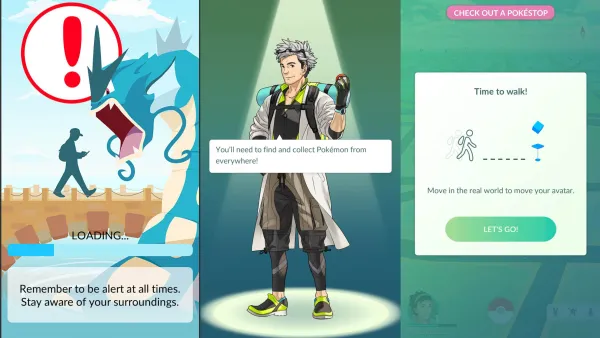
Time to Try Pokémon Go: Augmented Reality Connecting People to Places
Planners across the globe have been exploring opportunities to use augmented reality to enhance the way the public engages with the city. Over the last few days Pokémon Go took off, and now people are wandering across cities to catch Pokémon.
FEATURE
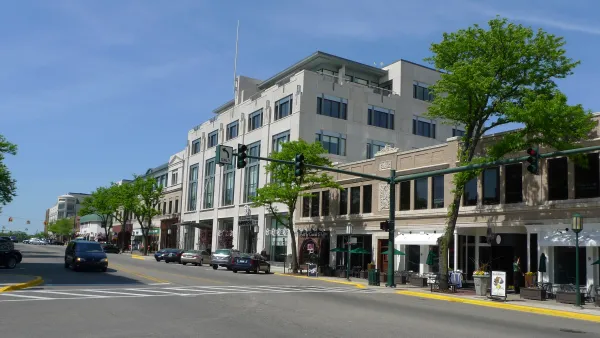
20th Anniversary of the Birmingham Master Plan: City Planners Created an Industry Standard
It has been 20 years since the city of Birmingham, Michigan approved the Birmingham 2016 Master Plan. Robert J. Gibbs, one of the planners on a team that included Andrés Duany, describes the decisions and process that contributed to the plan.
BLOG POST
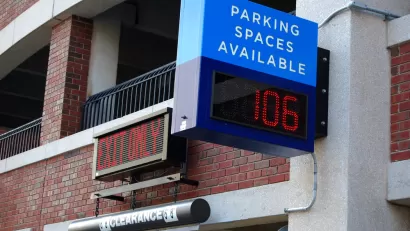
Playing 'Telephone' with Transportation Data
The transportation policy debate regularly falls victim to incorrect or incomplete "facts" getting passed around like the game of telephone.

BLOG POST
#TeslaCrash: Three Reasons for Tesla (and All of Us) to Be Concerned
Tesla has just disclosed the first fatal crash of a driver using its "Autopilot" system. Tesla should be concerned about the question of who's liable, and we should all be concerned about the wider consequences of this tragic event.
BLOG POST
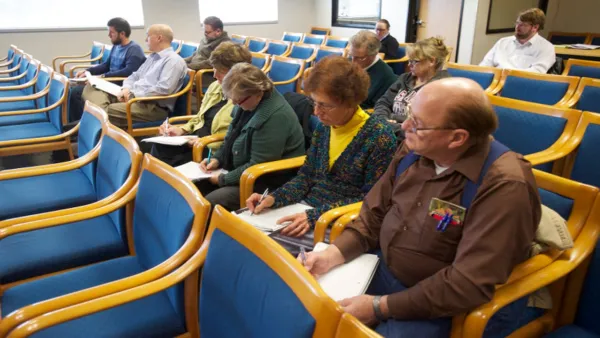
The 3 Most Common Community Engagement Mistakes
Planners, like any other professionals, live in a kind of bubble. Those charged with dealing with the public run the risk of expecting too much from residents as they design community engagement activities. Here are some of the most common mistakes.

FEATURE
Should We Blame Airbnb for Exorbitant Housing Prices?
Is Airbnb to blame for rising house prices? This article by Leigh Stewart from Tranio.com investigates how easy money from the collaborative economy could be making homes too expensive for tenants and genuine buyers.
BLOG POST
Become an Urban Planner Now
Do you remember exactly when you wanted to become an urban planner? Neither do I.

BLOG POST
Greyhound as an Urban Place
Like train stations, Greyhound stations can be tolerable urban places- or they can be another example of suburban sprawl.
BLOG POST
Smarter Taxi and Ride-Hailing Policies
Taxis, including new ride hailing services, play unique and important roles in an efficient and equitable transport systems. Let's support them with smart policies.
BLOG POST
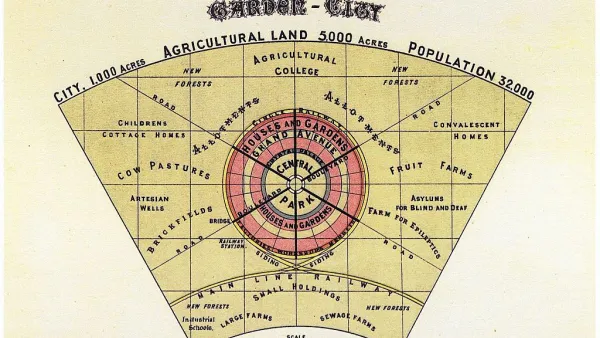
Are Garden Cities Sustainable?
The Garden City concept has a long and honorable pedigree within urban planning. Analysis of Sterling Ranch, a master-planned community outside of Denver, Colorado highlights some important issues around social and environmental sustainability.

BLOG POST
The Well Has Run Dry: Redevelopment in Vallejo, CA Without Tax Increment Financing
A case study of Vallejo shows how the city is continuing revitalization efforts without the powerful tools provided by its former redevelopment agency.

BLOG POST
Who Moves and What It Means for Growing Cities
It’s difficult to grow a city. Tax revenues limit budgets and there are trade-offs involved in how to spend those resources. Any city trying to allocate resources to grow needs to know who moves.

FEATURE
What Millennials Want, and Why it Doesn't Matter
The debate about whether Millennials prefer urban or suburban misses a big, important point: what Millennials really prefer is possible in either setting.

BLOG POST
An Accurate Answer to an Interesting Question: Are Compact Neighborhoods Really Most Affordable?
Contrary to recent claims, the evidence really does indicate that compact, multi-modal neighborhoods tend to be most affordable overall, considering both housing and transportation costs.

BLOG POST
Planning for the Future: How Do We Evaluate Impacts in a World of Uncertainty?
Will planning horizons of 25 to 30 years make sense as transportation technology speeds through unprecedented rates of innovation?
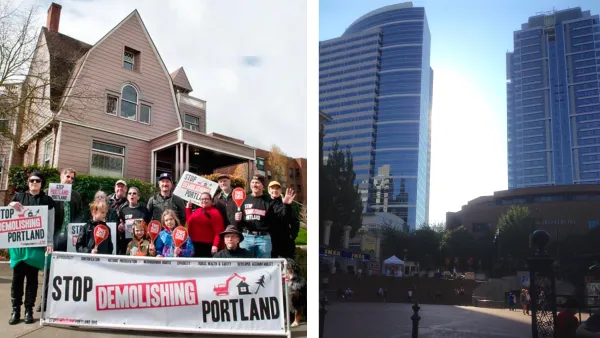
FEATURE
Has Portland Lost its Way?
Oregon's poster child for livable planning is embroiled in new controversies over destructive growth, skyrocketing prices, and back-room cronyism.
Harvard University Graduate School of Design
KFH Group Inc.
Greater Baltimore Committee
The Architects Foundation
University of Cincinnati Online
The Pocatello Development Authority
The Urban Renewal Agency of the City of Pocatello

FREE Course: Walkable City 1: Why Walkability?
After describing his path towards focusing on walkability as the essence of good planning, Jeff Speck marches through his five principal reasons for making more walkable places.
Reinventing Malls: Planning Alchemy—Turning Gray Fields Into Gold
The course focuses on the opportunities and imperatives that shape reinvention of mall sites.