Exclusives
PLANOPEDIA
What Is the Transect?
In urbanism and planning, the term transect provides a conceptual framework for understanding how the scale of built environments can vary from place to place.

BLOG POST
Why Urban Areas Need Increased Access to Recycling
In most residential areas across the United States, recycling is encouraged and offered as a way for residents to sustainably dispose of certain materials. But how many residents actually participate in their local recycling efforts?

FEATURE
Keep Calm. Carry On. AVs Are Just the End of Parking.
Opinion: As autonomous vehicles continue to appear on roads around the world, planners and engineers must be proactive in devising new and creative uses for soon-to-be-obsolete urban parking.

BLOG POST
Short-Term Renters Matter Too
Government hostility towards short-term renters rests on the assumption that if you aren't a long-term renter, you must a tourist. But permanent residents of a city might need short-term housing as well.

FEATURE
'Inflation Reduction Act' a Mixed Bag for Climate Action, Planning Innovation
A roundup of all the emerging news and commentary regarding the Inflation Reduction Act, which last week broke through a Congressional roadblock to resuscitate some, but not nearly all, of the Build Back Better legislation that failed in 2021.

PLANOPEDIA
What Is GIS?
GIS software, which combines location information with data about a range of other attributes, has become an indispensable tool for mapping and spatial analysis in urban planning and dozens of other fields.

PLANOPEDIA
What Is Redevelopment?
Redevelopment includes all development projects that build new structures and land uses on a previously developed site. Understanding the nuances of redevelopment is critical for understanding the ways cities and communities change.
FEATURE
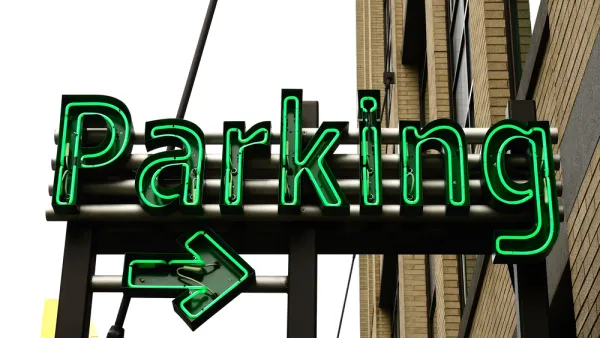
Updated: The Perils of Central Planning for Parking
The California State Legislature is once again considering statewide parking reforms. Planetizen dusted off a Donald Shoup op-ed published last year to once again explain the stakes. While the name of the bill has changed, the terms still apply.
FEATURE
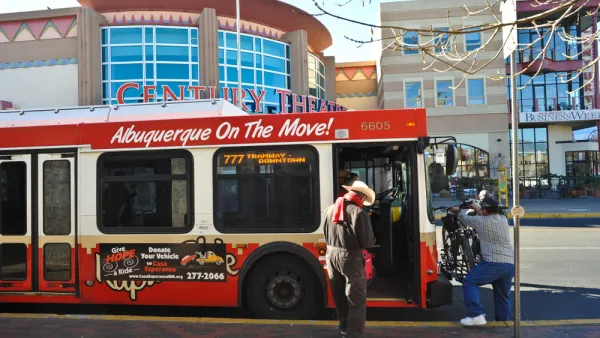
The State of America’s Free Transit Programs
Dozens of cities made public transit free during the pandemic. Can transit agencies sustain these programs?
FEATURE
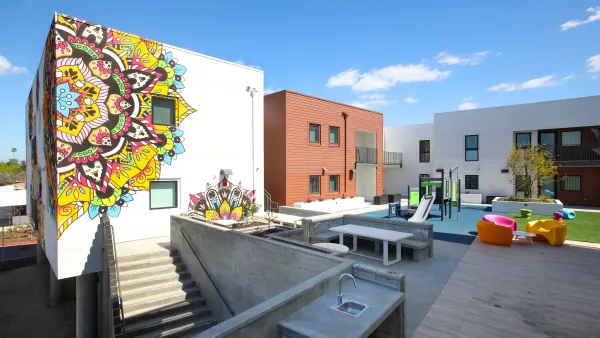
La Placita Cinco: A Strip Mall Redevelopment for Housing Affordability and Neighborhood Revitalization
U.S. cities lack land for new development but have many derelict or defunct parcels in need of revitalization. There are an estimated 70,000 strip mall centers in the country, all with tremendous potential for affordable and workforce housing.

BLOG POST
Opinion: Stop Trusting Elon Musk—on Tunnels, on Teslas, on Everything
Musk has leveraged social media intrigue and a hot streak on the market to become the standard bearer for autonomous vehicle technology. Trust Tesla at public peril, argues James Brasuell in this opinion piece.
BLOG POST
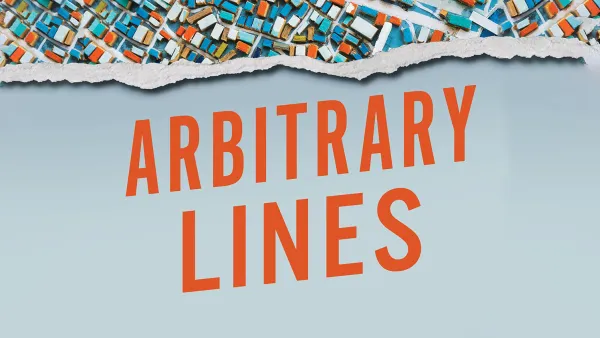
Book Review: Arbitrary Lines
In addition to attacking zoning laws' limitations on housing, Gray argues that zoning fails to limit nuisances.
FEATURE
Toward Community
An opinion piece by Angie Schmitt reclaims higher ideals for the planning profession.

PLANOPEDIA
What Is a Non-Conforming Use?
A non-conforming use is an existing building that would not be built under current land use regulations. While esoteric, the term is nonetheless critical to understanding the changes in development regulations over time.
BLOG POST
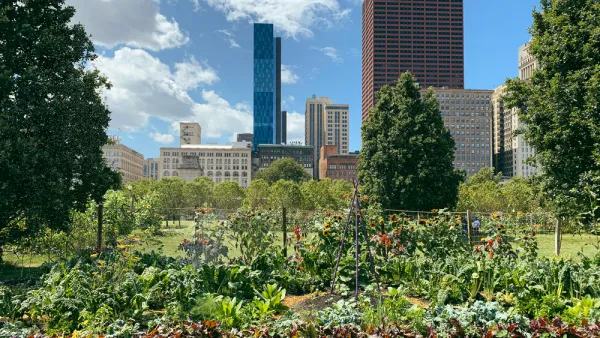
How Abandoned Properties Can Be Used for Redevelopment
Abandoned properties can be a burden on a community, bringing everything from negative curb appeal to an increase in crime. Using these properties for positive community development can kill two birds with one stone.

BLOG POST
The Business Case for Multimodal Transportation Planning
Travel demands are changing and so should planning. There are good reasons for communities to spend less on automobile facilities and more on walking, bicycling, and public transit. Let’s examine why.
PLANOPEDIA
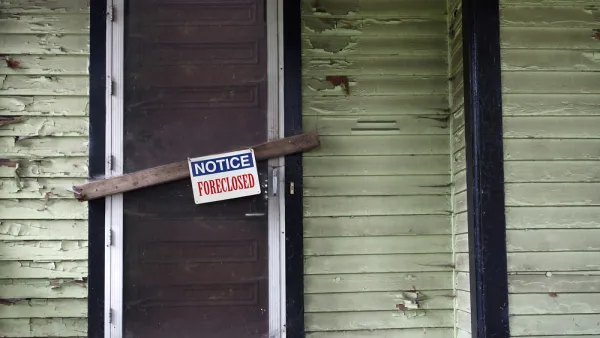
What Is a Land Bank?
Land banks are public or private organizations that purchase, hold, redevelop, or otherwise manage foreclosed or abandoned properties with the goal of achieving community objectives such as affordable housing construction or public park space.
BLOG POST
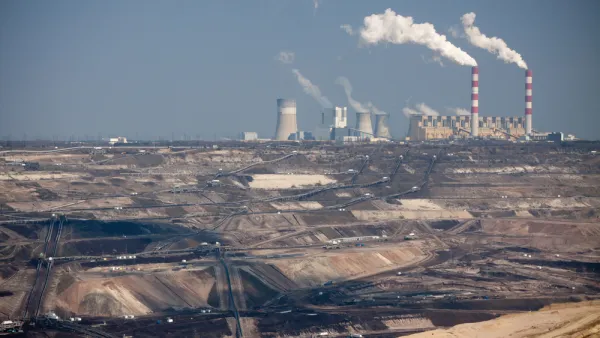
Did the Supreme Court Gut Federal Power?
The Supreme Court limited the EPA's power to regulate greenhouse gas emissions from power plants. Some commentators believe that this decision will virtually eliminate EPA power—but the decision is too ambiguous to support such a clear conclusion.
PLANOPEDIA
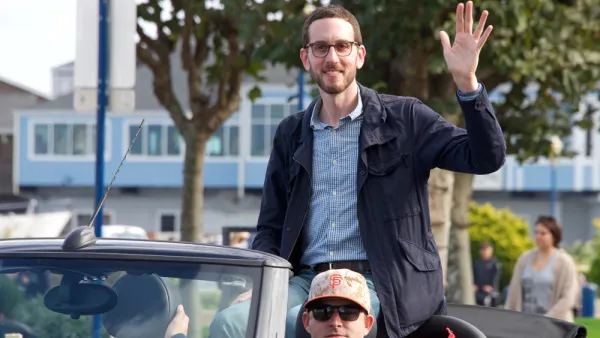
What Is a YIMBY?
YIMBY, an acronym standing for "Yes In My Backyard," describes advocates who support housing development as a response to the outcomes of restrictive zoning and planning policies.
BLOG POST
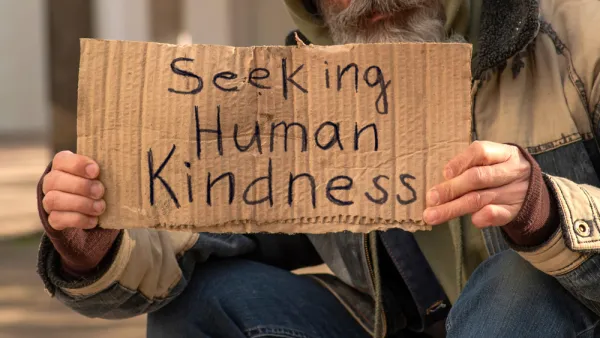
How We Talk About Homelessness: Why Language Matters
Terminology referring to people living without permanent housing changes frequently. Today, the term 'unhoused' is gaining ground among advocates. Why, and why does it matter?
Harvard University Graduate School of Design
KFH Group Inc.
Greater Baltimore Committee
The Architects Foundation
University of Cincinnati Online
The Pocatello Development Authority
The Urban Renewal Agency of the City of Pocatello

FREE Course: Walkable City 1: Why Walkability?
After describing his path towards focusing on walkability as the essence of good planning, Jeff Speck marches through his five principal reasons for making more walkable places.
Reinventing Malls: Planning Alchemy—Turning Gray Fields Into Gold
The course focuses on the opportunities and imperatives that shape reinvention of mall sites.