Environment

Planetizen’s Top Posts of 2023
The most-read articles on Planetizen in 2023.

A Different Approach to Managing Climate Displacement
As climate-driven flooding and storms put increasing pressure on coastal communities, some say the piecemeal nature of federal recovery and mitigation efforts aren’t cutting it.

Gila River Canal Project Pairs Water Conservation With Solar Energy
Local leaders view the first solar panel-covered water canal in the Western Hemisphere as a ‘major win’ for Indigenous water sovereignty.

Massachusetts Moves Toward Decarbonization
The state developed a framework for planning to phase out natural gas, denying industry calls to allow hydrogen and renewable natural gas.

Opinion: California Must Walk the Walk on Transportation Emissions
While state leaders tout their climate goals at COP28, residents back home continue to fight highway expansion projects that induce traffic and increase emissions.

NYC Approves Carbon Neutrality Plan
The zoning amendment, part of the ‘City of Yes’ plan, will make it easier and more affordable to make efficiency retrofits and reduce emissions.

Aerial Cable Cars as Urban Transport
While often thought of as only for tourists in mountain areas, aerial cable cars have proven to be effective in providing transportation in urban areas, such as across rivers in New York City and freeways in Portland.

The Disparate Impacts of Urban Noise
Research shows higher levels of noise in formerly redlined neighborhoods, disrupting the health of both human and animal residents.

Healing Neighborhoods Through Park Equity
Learn more about ways to improve park equity with Norma García-González, the director of the Los Angeles County Department of Parks and Recreation, and Catherine Nagel, the executive director of the City Parks Alliance.

COP28: Will Developed Nations Reduce Emissions?
Tensions between developed and developing nations surfaced over emissions and energy, with the former focused on reducing fossil fuels and the latter pointing to unrealized emissions reductions from the nations most responsible for global warming.

How Design Can Help Mitigate Extreme Heat
To prepare for hotter summers, designers and architects can build resilience into the urban environment.

States Scramble in Wake of Clean Water Act Ruling
The removal of federal oversight of wetlands has left millions of acres unregulated and erected major hurdles for lawmakers seeking to protect them.

Turning Out the Lights on Light Pollution
Limiting light pollution can have beneficial effects for humans, animals, and the local economy.

Upcycling a Landfill into a Regional Park
Los Angeles County is working with a consultant team led by Studio-MLA to transform 142 acres of the Puente Hills Landfill into parkland, creating the first new regional park in the county in over 35 years.

Green Spaces Benefit Neighborhoods—When Residents can Reach Them
A study comparing green space and walkability scores found that, without effective access to local parks, residents of greener neighborhoods don’t reap the health benefits.

FHWA Issues Emissions Tracking Rule
The agency will require states to monitor transportation emissions and create plans to address air pollution.
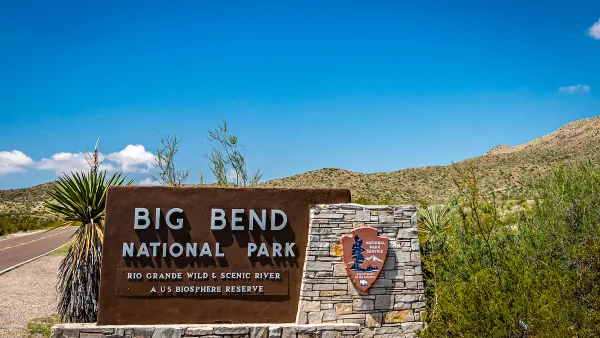
West Texas Growth Prompts Water Supply Concerns
Small desert communities are looking for ways to conserve water as their tourist and resident populations grow.

Report: Gas-Powered Lawn Tools Produce Emissions Comparable to Cars
A Maryland study recommends switching to electric tools to reduce greenhouse gas emissions and meet the state’s climate goals.
EPA Launches Environmental Justice Grant Program
The agency says the program is designed to be more accessible to smaller and underresourced communities.
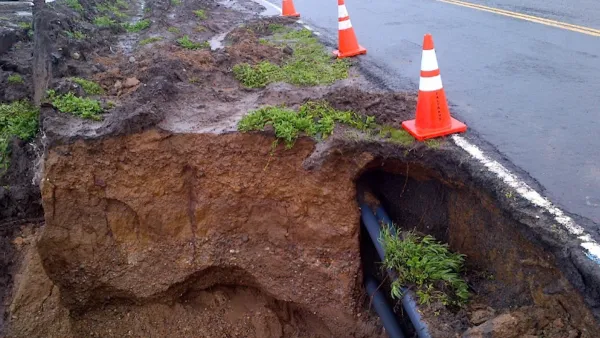
California Completes First Coastal Erosion Mitigation Project
Caltrans moved a segment of the state’s celebrated Highway 1 inland by 400 feet to avoid erosion caused by sea level rise.

FREE Course: Walkable City 1: Why Walkability?
After describing his path towards focusing on walkability as the essence of good planning, Jeff Speck marches through his five principal reasons for making more walkable places.
Reinventing Malls: Planning Alchemy—Turning Gray Fields Into Gold
The course focuses on the opportunities and imperatives that shape reinvention of mall sites.

Harvard University Graduate School of Design
KFH Group Inc.
Greater Baltimore Committee
The Architects Foundation
University of Cincinnati Online
The Pocatello Development Authority
The Urban Renewal Agency of the City of Pocatello