Community / Economic Development
Proposed Parklet Divides San Francisco Gay Neighborhood
A small cafe in San Francisco's gay neighborhood, the Castro, proposed a parklet on two parking spaces that is dividing merchants. Some see it as a potential haven for homeless and illegal activity, as well as objecting to the loss of parking.
Labor Day Means the End for Many Transportation Sector Jobs
A Brookings Institution reports calls on policy makers to ensure appropriate investments and programs to support workers in the transportation sector.
The Influence of Public Works on Gentrification
New research examines the role of public investments in gentrification.
The Lost History of D.C.'s Murals
Washington City Paper creates a record of the many murals that have been lost to new construction and shifting demographics in neighborhoods around Washington, D.C.

Is 'Brain Drain' a Legitimate Problem?
According to analysts like Aaron Renn, the exodus of educated Millennials from what some perceive to be less-glamorous cities shouldn't signal impending doom. For one thing, brain drain might not be happening at all.
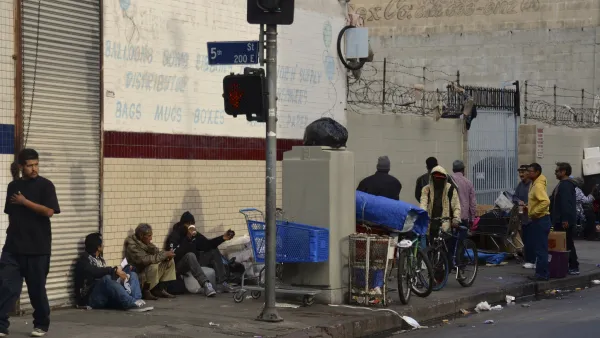
Conflicting Stories From Los Angeles' Skid Row
As the city considers new ordinances making it easier for police to break up homeless camps, residents say forced displacement is already underway. Police deny an increase in homeless sweeps.
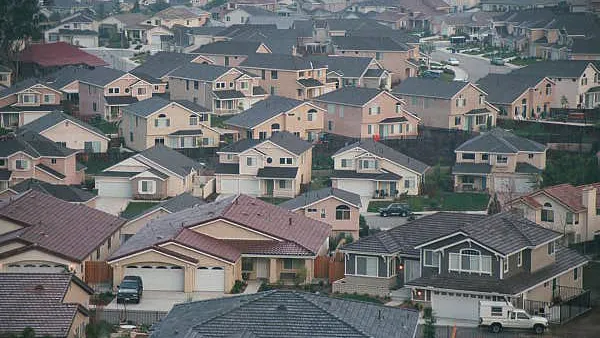
Aging Boomer Suburbanites: The Coming Transit Disaster
The suburbs are not conducive to the aging baby boomers that populate them. How do we prepare?
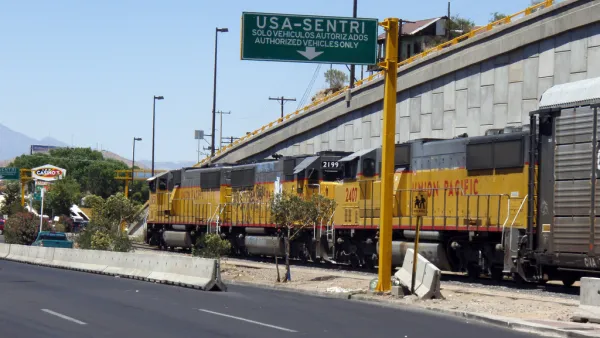
First Rail Link in a Over a Century Now Connects U.S., Mexico
Instead of building a wall separating the United States and Mexico, officials from both countries celebrated the opening on Tuesday of the West Rail Bypass International Bridge.
Using Vacant Property Registration Fee Ordinances to Fix Blight
Planners get involved with foreclosure by assisting residents threatened with foreclosure or addressing community impacts such as blight, vacancy, and property disinvestment. A look at vacant property fees as a tool for dealing with foreclosure.
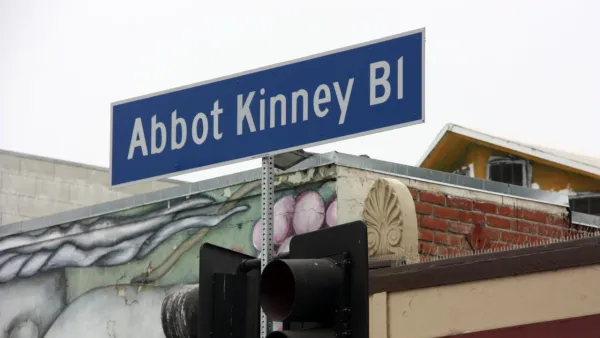
Big Money Floods Venice Beach
Is a gentrified Venice Beach still Venice Beach? With median home prices topping $1.4 million, the area's eclectic characters can't afford to stay. Investors and the tech industry say the change is only natural.
Global Call for Ideas Reveals Promising Resilience Solutions
Superstorm Sandy spurred the New York City Economic Development Corporation to form the RISE:NYC program, a global competition for innovative solutions to post-disaster resiliency. Arup's Sarah Wesseler spoke with them to learn more.
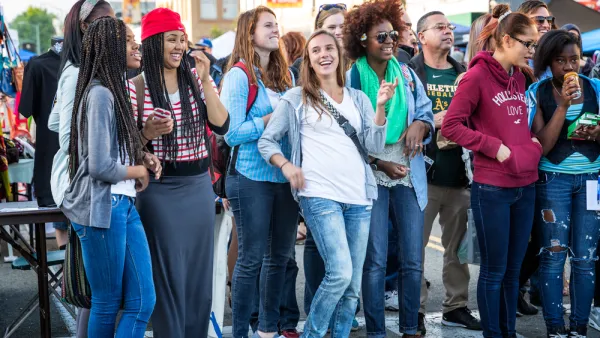
What Is a 'Great' Neighborhood? An Analysis of APA's Top-Rated Places
A study recently published in the Journal of the American Planning Association finds that the APA's definition of "great neighborhoods" might be leaving low-income and minority populations behind.
Community Ties in the Era of Isolation
Connectivity may form the bedrock of what we call "resilience" but we're just not all that neighborly these days. Can we become more competitive and lasting by restitching our threadbare community fabric?
Atlanta's Midtown Achieving 'Tech Hub' Status
Companies looking for creative class cache have begun to locate in Atlanta's Midtown and spilling over into neighboring districts.
Is the Local NFL Team Hurting the Local College Team and the Local Economy?
Studies show building NFL stadiums drain tax revenues and don't boost local economies. What about NFL teams themselves? Land use attorney (and football fan) Bill Adams argues that they rob support from local college teams and local economies.
HUD Grants $24 Million for Community Development Pool in North St. Louis
The federal government offered to $24 million to create a loan pool in struggling areas of North St. Louis County—most infamously displayed to the country over the past year in the intense racial conflicts centering around Ferguson.
Terms and Concepts for Understanding Land Banks
Clarifying some of the jargon that drives the land bank process in Cuyahoga County, Ohio reveals the importance and scale of neighborhood stabilization in some parts of the country.
Should Architects Be Citizen Scientists?
Can self-contained urban food systems exist in the core of our cities? Architect Darrick Borowski of New York based firm ARExA developed a model to determine just that.
Baltimore's Big Idea: Schools as the Center of Neighborhood Transformation
The city of Baltimore is taking a new approach to an old idea: that schools should be the center of neighborhoods.
Traffic Deaths Soar—Is Cheap Gas a Culprit?
An August 17 press release from the National Safety Council indicates the United States is on track to exceed 40,000 road deaths this year, the highest since 2007. A January NPR report links the spike to decreased gas prices.

FREE Course: Walkable City 1: Why Walkability?
After describing his path towards focusing on walkability as the essence of good planning, Jeff Speck marches through his five principal reasons for making more walkable places.
Reinventing Malls: Planning Alchemy—Turning Gray Fields Into Gold
The course focuses on the opportunities and imperatives that shape reinvention of mall sites.

City of Rosemead
Rutgers University, Edward J. Bloustein School of Planning and Public Policy
One Hundred Miles
University of Michigan School for Environment and Sustainability (SEAS)
Hunter College, City University of New York (CUNY)
The Architects Foundation
City of Cambridge
Montrose County
The Pocatello Development Authority









