Amid concerns about lackluster growth, Oregon's Clackamas County plans to create 10,000 new family wage jobs by 2019. But the county lacks the zoned land it needs to accomplish its goals.


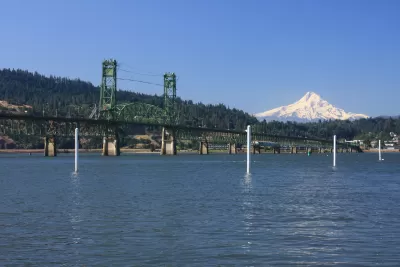
To the east of Portland along the Washington border, Clackamas County will need "39,800 to 51,600 jobs over the next 20-year planning period, translating into a needed 1,649 to 2,728 acres of non-retail employment land." Defined as land capable of housing businesses and jobs, employment land is in short supply while the total count of jobless residents stands at 21,000.
The root of the problem lies with hesitancy to transition properties to a "market-ready" state, free from environmental constraints and with access to necessary transportation infrastructure. Municipalities like Damascus, along the Portland Metro area urban growth boundary, have been slow or reluctant to pass the comprehensive plans needed to permit industrial zoning and economic development.
"Counties need to consider their individual land supplies, not just to look at the region as a whole, [county strategic policy administrator Dan] Chandler said. Assessed value and added jobs help pay for services the county provides."
Read the full story: Clackamas County hundreds of acres short on employment land, reports consultant

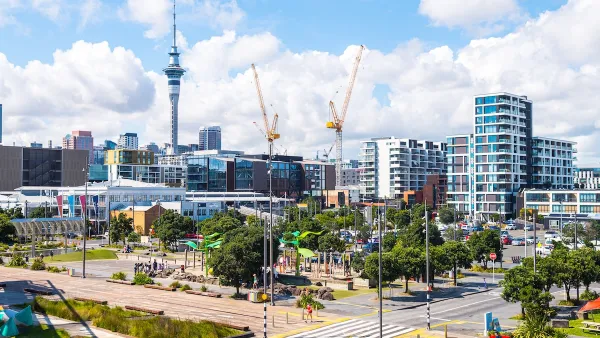
New Zealand Zoning Reform Targets Housing Production
New national rules will prevent local councils from limiting development in an effort to ease the nation’s housing crisis.

Rural New York Explores Creative Housing Solutions
Rural communities and small cities are implementing affordable housing solutions at the local level, while the state budget prioritizes urban areas.
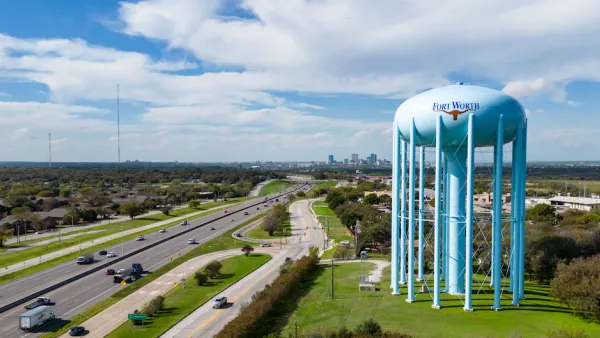
Fort Worth Amends Comprehensive Plan to Reduce Industrial Zone
After residents protested the size and location of a proposed industrial growth zone, the city council voted to adopt an amended version of the plan.

Planetizen Federal Action Tracker
A weekly monitor of how Trump’s orders and actions are impacting planners and planning in America.

Amtrak, CN end decades-long dispute with eight-year agreement
The new operating agreement establishes an updated framework for the companies to work together, including processes to resolve disputes.

Northwest rail fans eager for Sept. 30 debut of Amtrak’s Airo fleet
Get ready for that new train smell and more seats. But they won’t go faster or run more frequently on the Cascades route in Washington and Oregon.

Brightline Florida files for bankruptcy
The transit company is over $5 billion in debt.

St. Louis Metro to test if single-car trains can reduce operating costs, maintain rider satisfaction
The pilot program will run from October to spring 2027, and begin with one single-car train operating on Metrolink’s Red and Blue lines.

Pennsylvania is building data centers in abandoned mines
Housing data centers in mines provides an alternative to destroying local forests and may spare residents from data centers’ noise and air pollution.

FREE Course: Walkable City 1: Why Walkability?
After describing his path towards focusing on walkability as the essence of good planning, Jeff Speck marches through his five principal reasons for making more walkable places.
Reinventing Malls: Planning Alchemy—Turning Gray Fields Into Gold
The course focuses on the opportunities and imperatives that shape reinvention of mall sites.

City of Thousand Oaks
City of Wisconsin Rapids
Harvard University Graduate School of Design
The Architects Foundation
University of Cincinnati Online
The Pocatello Development Authority
The Urban Renewal Agency of the City of Pocatello