With better planning Honolulu can become an active travel paradise. Replace car sewers with pedestrian promenades, and build urban villages where it is easy to get around without driving.


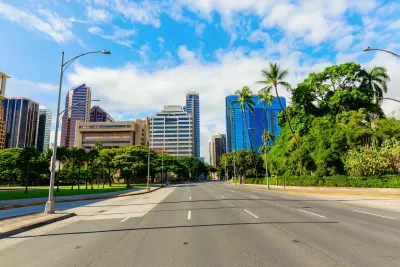
Aloha from the island of Oahu where I am enjoying a nice holiday after speaking at the Hawai’i Transportation Forum. My presentation discussed why and how Honolulu can maximize the value of its new Skyline rail transit network. Let me share key recommendations based on personal observation.
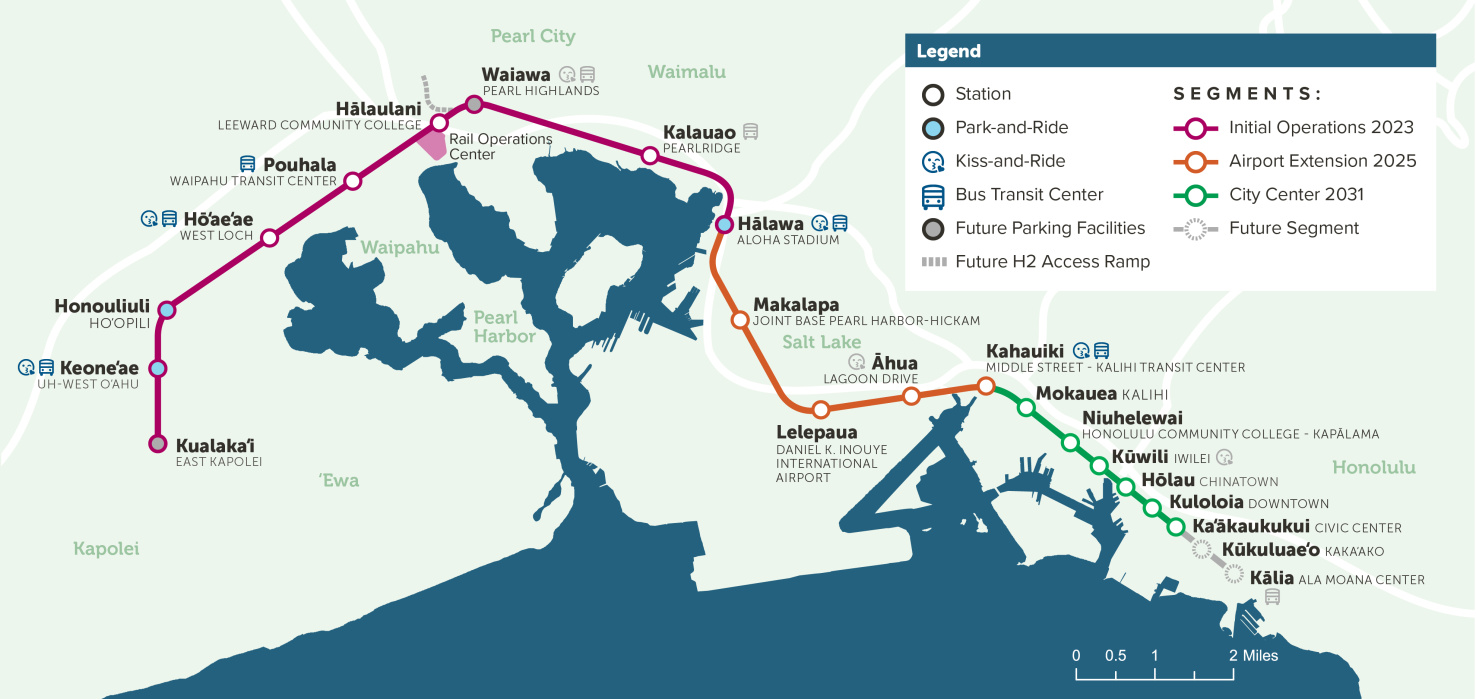
I'll start with sad advice to anybody who wants an active, car-free holiday; don’t bother with Hawai’i. The state in general and Honolulu in particular are automobile dependent and spoiled by excessive vehicle traffic. The streets are car sewers designed to maximize vehicle traffic with little consideration for active modes. With current conditions, additional visitors only make these problems worse. If you want to walk and bicycle in a beautiful environment go to Mexico, the Caribbean, Europe, North Africa and parts of Asia, Hawai'i does not serve that market.
With better planning Hawai’i could become a multimodal paradise. It has a mild climate, is mostly flat, is dense so most trips are within easy walking and bicycling distances, and many residents and visitors love the outdoors. It also has very high living costs and driving is expensive so many people would love more affordable travel options.
Despite this potential, active transportation is dangerous and unpleasant here. Honolulu has growing traffic casualty rate with a particularly large spike in pedestrian deaths. For most of the last century Hawai’i planning has favored driving over other modes. Virtually all of Honolulu’s major roads are overbuilt, designed to maximize traffic speeds with minimal facilities for non-auto modes and no TDM incentives to encourage efficient travel. The result is trouble in paradise.
Consider the following photo of a typical intersection. In any other capital city, major arterials such as Kapiolani Boulevard, King and Queen streets would be pedestrian promenades designed with spectacular vistas, lined with delightful parks, monuments, and sidewalk cafes. That would give tourists an enjoyable, healthy and meaningful experience, and improve livability for locals.
As a result of automobile-oriented planning Honolulu has the saddist legislative district I’ve ever seen. Because it is bisected by high-speed arterials with narrow sidewalks and dangerous crosswalks that are unpleasant for walking, it offers few photo opportunities of the state capital or related buildings such as the Iolani Palace (the home of Hawai’i’s monarchs). The area attracts few tourists and those that do show up look confused and disappointed.
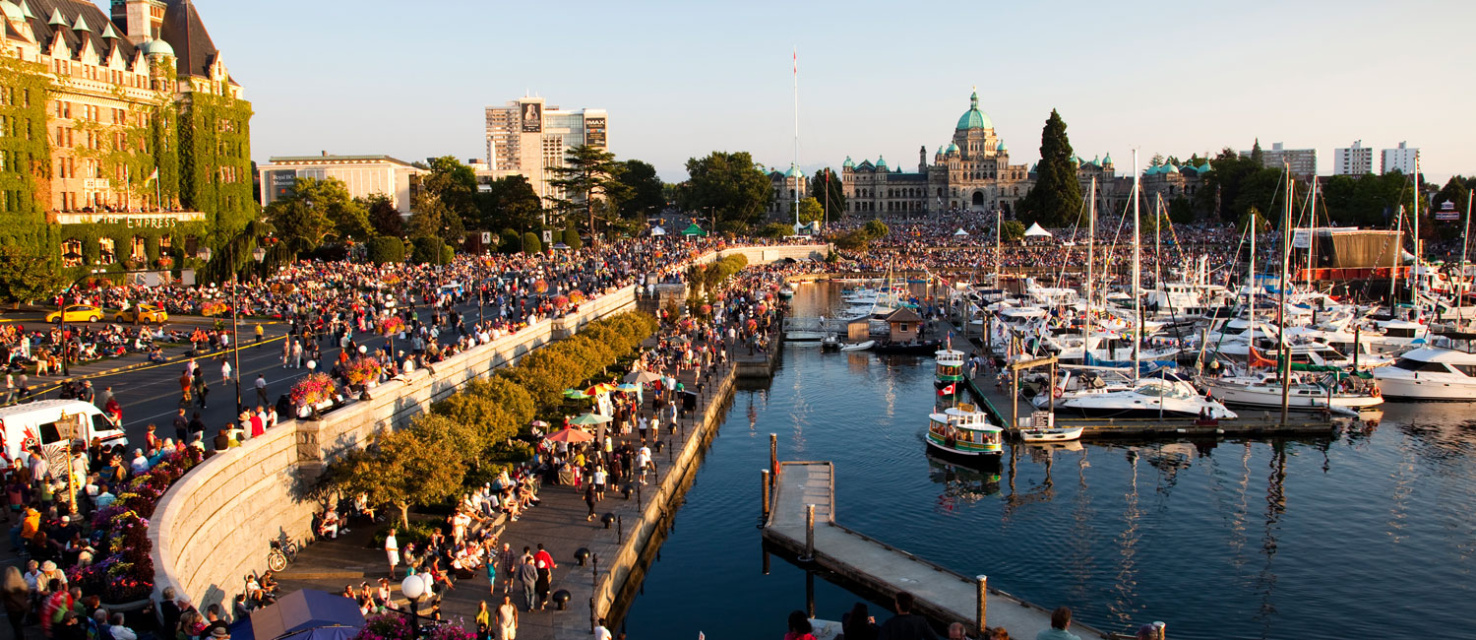
Contrast that with my city, Victoria, British Columbia. It attracts huge numbers of tourists whose main activity is walking through the legislative district and waterfront, and spending money at numerous pedestrian-oriented shops. Because it is so walk- and bikeable only a small portion of downtown land is devoted to roads and parking facilities, and because they spend so little on local transportation tourists have more to spend on locally produced goods and services.
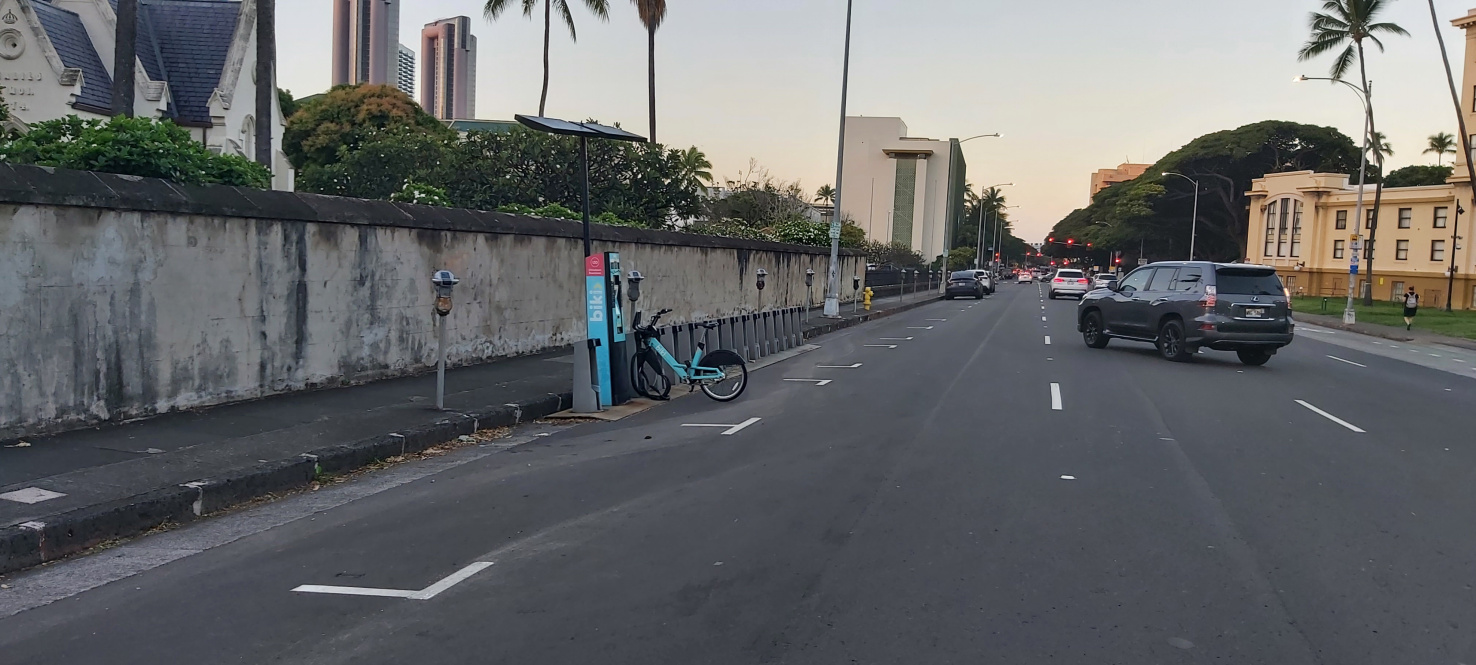
Honolulu's bike and scooter sharing services are particularly disappointing. Derelict scooters are scattered along sidewalks and most Biki Bikes are dysfunctional. I made the mistake of downloading the scooter app and loading it with $30 (the minimum amount allowed) only to find not one operating during a twenty-block walk. Similarly, bikeshare stations are literally rusting away and one ate my $5.50 deposit. In total they robbed me of $35.50, but the city continues to promote the systems as if they were functional.
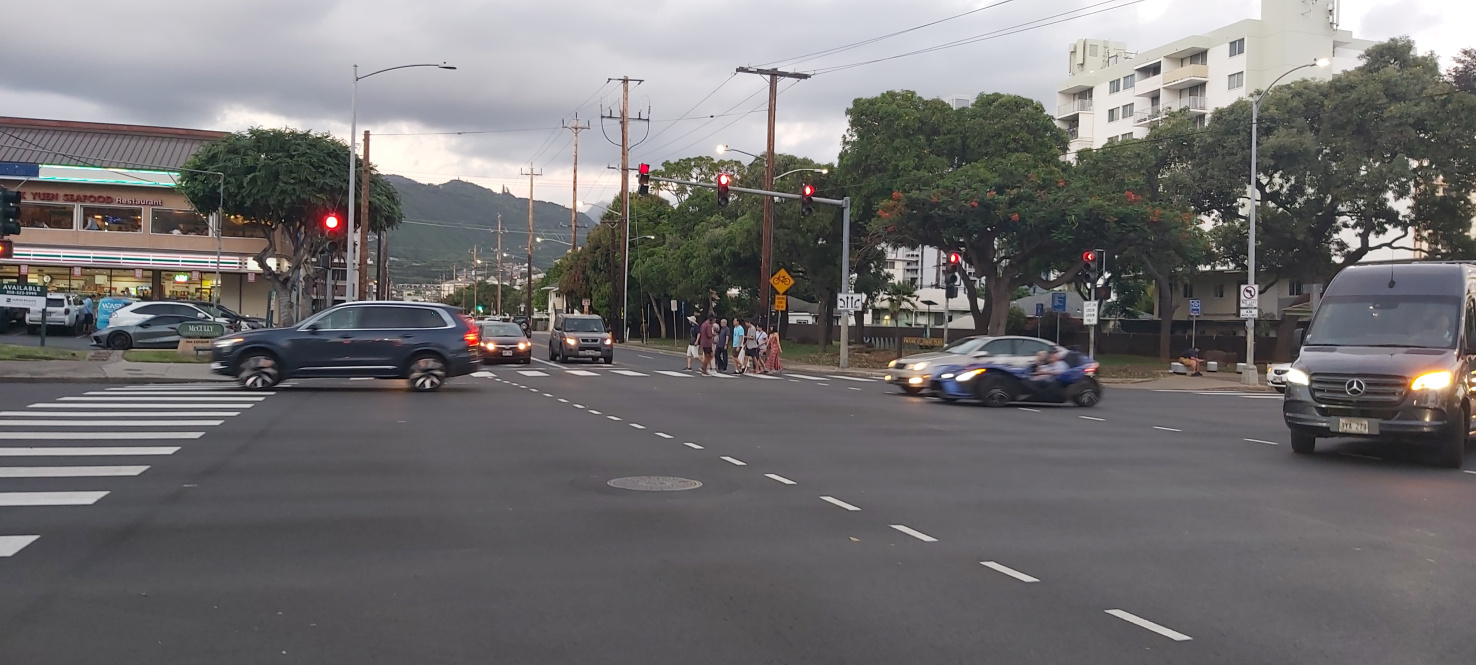
Honolulu is trying to change. During the last twenty years Honolulu has spent $10 billion building the Skyline rail system. It is now planning to invest $300 million over the next decade on pedestrian and bicycling facilities, parking policy reforms and transit-oriented development around rail stations. That is too little too late. For every dollar spent on major transit projects cities should spend 10-20 cents on active mode improvements to be completed in five years, streetscape urban arterials so they are safe and beautiful, eliminate parking mandates so non-drivers are no longer forced to pay for costly parking facilities they don't need, and allow compact, affordable infill in all urban neighborhoods not just around rail stations.
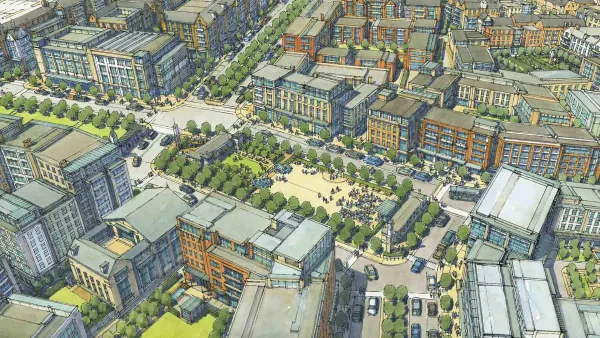
Urban paradise planning is simple: prioritize people over cars, housing over parking, and greenspace over pavement.

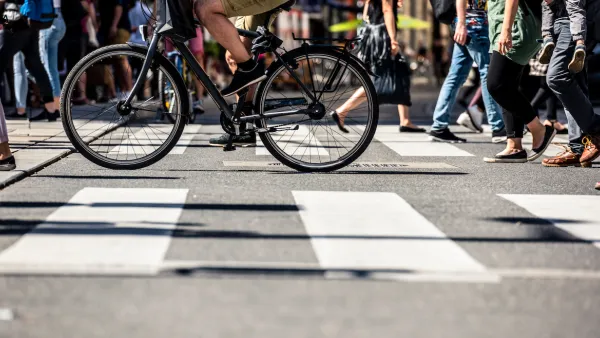
Applying a Sustainable Transportation Hierarchy
To be equitable and efficient, transportation planning must apply a sustainable transportation hierarchy that prioritizes affordable, healthy, and resource-efficient mobility options.
700-Acre Master-Planned Community Planned in Utah
A massive development plan is taking shape for lakefront property in Vineyard, Utah—on the site of a former U.S. Steel Geneva Works facility.
Parking Requirements Removed Near Cleveland Transit Stops
Transit oriented parking reform has arrived in Cleveland.

The state-sanctioned urbicide of Austin
People don’t kill cities. Freeways do.

US to reduce Colorado River water deliveries to Mexico
A new Colorado Treaty amendment reduces Mexico’s Colorado River water allocation by 250,000 acre feet.

New Jersey’s second-largest city bans standalone data centers
Jersey City will continue to allow co-location facilities, such as those meant for research institutions that store their own data.

Amtrak not solely to blame for New Jersey commuter rail's unreliability, report finds
A new study from the Garden State Initiative found that NJ Transit’s budget grew 20% across a 4 year period, but reliability declined significantly over the same period.

EPA erases limits on planet-warming pollution from power plants
Under Monday’s plan, power plants would still have some limits on how much mercury, arsenic and other contaminants they can emit.

Phoenix announces new on-demand transit service, more frequent RAPID buses
Both new services will launch in October, and are part of Phoenix's Project Effective Access Solutions for Easing Congestion.

FREE Course: Walkable City 1: Why Walkability?
After describing his path towards focusing on walkability as the essence of good planning, Jeff Speck marches through his five principal reasons for making more walkable places.
Reinventing Malls: Planning Alchemy—Turning Gray Fields Into Gold
The course focuses on the opportunities and imperatives that shape reinvention of mall sites.

Eagle County Government
Harvard University Graduate School of Design
Nashville Planning Department
The Architects Foundation
University of Cincinnati Online
The Pocatello Development Authority
The Urban Renewal Agency of the City of Pocatello
Journal of the American Planning Association

