World
Global issues, U.N., etc.
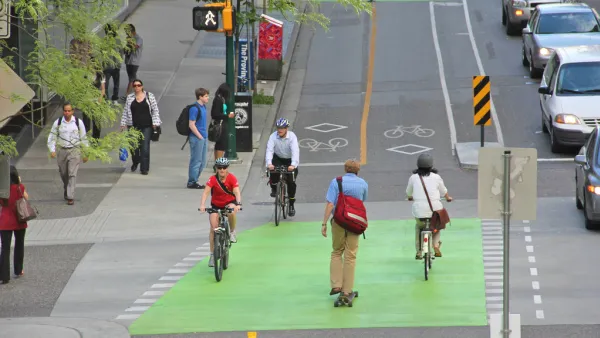
Bike Infrastructure Study: Bigger Investments Return Bigger Payoff
You get what you pay for, goes the old saying, and a new study out of New Zealand makes the case that when it comes investing in bike infrastructure, it's best to invest in quality.
Ten Years of OpenStreetMap
Exactly how does a student take on an open data political stance and transform it into "the largest crowd-sourced mapping project on the internet"?
Embodied Energy of Historic Buildings: Physical and Metaphysical
Inherently unlovable buildings—no matter how energy efficient—lacks the stuff of longevity. How can your EcoDistrict design for lovable buildings? It may not include tearing down the historic stock.
The Mapping Tool that Helped Identify the Ebola Outbreak
An online mapping tool called HealthMap helped identify the recent outbreak of the Ebola virus in West Africa by pulling data from all over the big data spectrum. It can also tell provide insight into the health concerns in your area.
Researchers Pull Social Media Data to Track Migration
The limitations (and inaccuracies) of traditional data sources like the U.S. Census are well known, so researchers are looking social media to gather the data necessary to draw conclusions about societal movements.

The Dangers of Building Too Tall
An article by Steven Snell summarizes the drawbacks of building vertical cities.

Revisiting the Common Sense Elements of City Life
Chuck Wolfe revisits five instances of how we can learn from the urbanism we already have.
New Applications for 3D Printing: Sanitation and Shelter
Called by some the "third industrial revolution," what are some of the opportunities and costs of applying 3D printing to issues facing the developing world, and more importantly, emergency housing?
Weekend Inspiration: Kids Design 'Dream Cars of the Future'
The ideas generated by a global competition that asks children to design the "dream car of the future" are incredibly aspirational in their pragmatism.

How Self-Driving Cars Can (and Should) Improve Transit
Comments on the proceedings of the Automated Vehicles Symposium (San Francisco, July 14-18, 2014), where participants addressed the many transportation and land use implications of an automated future.
Architects Design Fix For New York's Retro Parking Requirements
The "9x18" design team (named after the dimensions of a standard parking space) has evaluated and reimagined New York's parking regulations so they reflect actual parking demand and support affordable housing goals.
Debate: How Much should 'Starchitects' be Faulted for Urban Ills?
In response to a recent polemic by Witold Rybczynski against the global proliferation of iconic but disconnected projects by starchitects, the New York Times hosts a debate that addresses the question: Are superstar architects ruining city skylines?

Are We There Yet? Affordability in the 'New Normal'
In the new normal, an affordable lifestyle is suddenly of interest to a larger circle of us. Here's what some interesting innovators are doing about it, between now and when our politics and legal structure fully align with our needs.
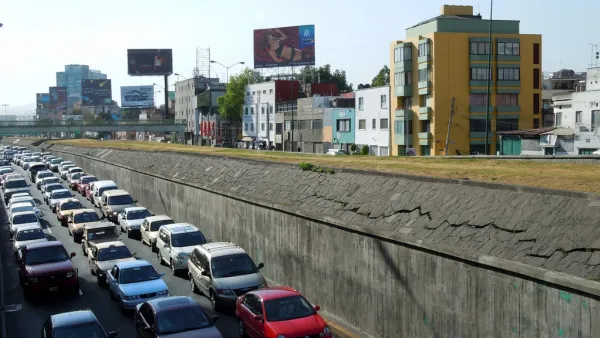
New Study Predicts Vehicle Travel Saturation Levels
A new RAND Corporation study models motorization growth rates and saturation levels, and identifies potential policies to encourage more efficient transportation in developing countries.
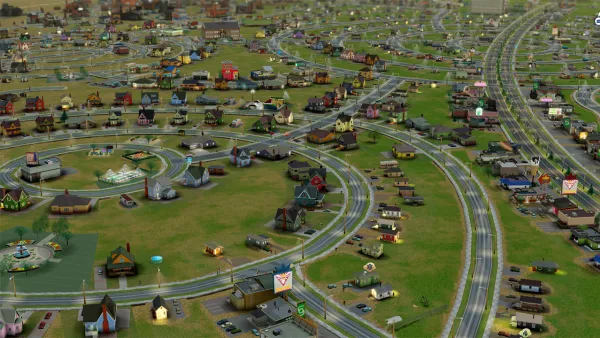
Gaming for Planners—More than SimCity
At the Serious Gaming workshop held in South Africa, game-maker Tygron showcased their game "The Climategame" and examined game play for lessons in how planners might improve their professional practice.
Ordinary Materials, Fantastic Opportunities
Michael Demkowicz says that steel, aluminum, and concrete are among materials we understand least, but all have big possibilities for engineers.
What's Missed When Taking the Scenic Route?
An app that plots the most beautiful route across cities made news earlier this month, but one commenter worries about how taking the more scenic route could make it harder to improve quality of life in the "less-than-scenic" sections of cities.
Worldwide Urbanization Reflected by Growth of Mega-Cities
A new report by the United Nations projects the growth of the world's urban population, which is expected to surpass six billion by 2045.

The Chorus of 'No Planning, Please' is Making My Head Hurt
Life is hard. So are baseball, soccer, and a bunch of other stuff that require making good enough guesses to size opportunities and duck calamity. With apologies from Ben Brown for beating up on David Brooks.

On the Cittaslow ('Slow City') Movement
Planetizen blogger and professional planner Steven Snell pens another dispatch for Fast Forward Weekly. This time he explains the "Slow" ethos—slow food, slow homes, and, yes, slow cities.

FREE Course: Walkable City 1: Why Walkability?
After describing his path towards focusing on walkability as the essence of good planning, Jeff Speck marches through his five principal reasons for making more walkable places.
Reinventing Malls: Planning Alchemy—Turning Gray Fields Into Gold
The course focuses on the opportunities and imperatives that shape reinvention of mall sites.

Eagle County Government
Harvard University Graduate School of Design
Nashville Planning Department
The Architects Foundation
University of Cincinnati Online
The Pocatello Development Authority
The Urban Renewal Agency of the City of Pocatello
Journal of the American Planning Association