United States

Economic Development: Do People or Places Come First?
Aaron Renn writes an argument against economic development investments in the form of stadiums, casinos and convention centers—favored by so many local governments.
Intercity Bus Systems Keep a Foothold in Modern Times
Intercity buses might seem "Old World," but ridership is growing on intercity bus systems, and Greyhound is making big investments to stay ahead of the quickly moving transportation curve.
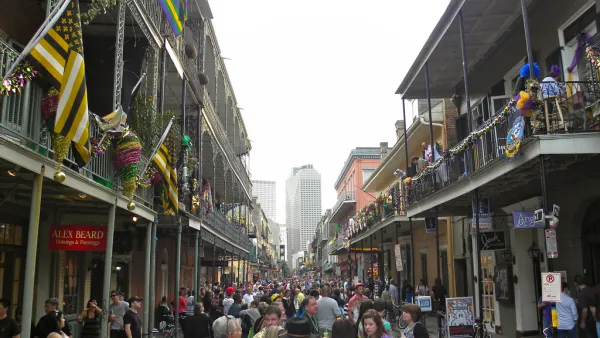
The Life and Death of Urban Hierarchies
Kristen Jeffers writes that she's changed her mind about the existence of hierarchies among U.S. cities.
Feds Expect 40 Percent Growth in Freight in the Next 30 Years
A big data dump from the federal government earlier this week predicts drastic increases in the amount of freight that will be moving around the country in the next few decades.
'Select Bus Service' in Queens Doubles in Price
The planning process has revealed a "select bus service" proposal for Queens to require a lot more time and funding than originally thought.

Census Data: Renters Have Shorter Commutes
According to an analysis by the data research team at Trulia, renters have shorter commutes in 43 of 50 major metros. But despite there being more renters, commutes are still getting longer.
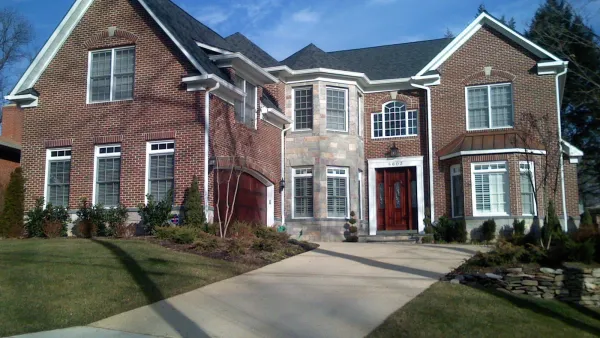
Empty Nesters Stuck in the Suburbs
Just when boomers are ready to return to the city to enjoy all its cultural offerings, they find themselves priced out. Many do downsize, however, from large single family homes to more urban areas close to home.
Shoup Op-Ed: Planners Can Help the Poor By Reducing Parking Requirements
Put another way, Shoup's case against parking requirements is that they make life harder for the poor.
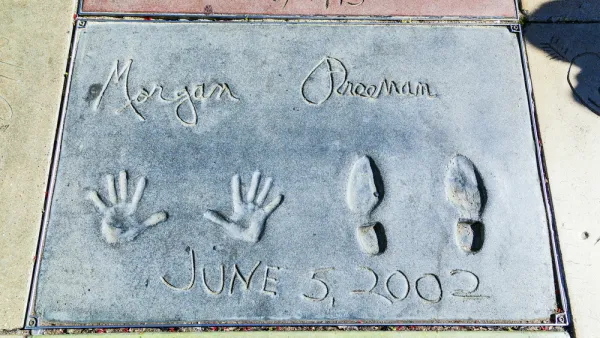
Friday Funny: Morgan Freeman Narrates the Pedestrian Experience
The most famous voice in narration, Morgan Freeman, visited Jimmy Kimmel Live and put his vocal talents to good use.
Meeting the Challenge of Sustainable Infrastructure
As more and more people live on this planet, the pressure to build smart cities that feature environmentally sustainable infrastructure will become immense. Planners will be challenged to do more with less. Here's a discussion of this complex issue.
City Hall 'Outsider' on Opening Up L.A.'s Development Process
Los Angeles is experiencing an elevated anti-growth conversation and suspicion of insider dealings at City Hall. In the midst of this, a councilmember known as an "outsider" aims to reconcile his constituents with the city's development processes.
The Negative Effects of the Nation's Lengthening Commute
The collective amount of time Americans spend commuting is staggering, and it's only growing.

Too Many Chiefs; Not Enough Authority
A newly hired cohort of chief bicycle officers is only the latest example of "title inflation," according to an article in Governing magazine.
2015 Sets New Record for Vehicle Miles Traveled
2007 had set the prior record, which sparked the term, "peak miles driven" or "peak car." Historically low gas prices and an improved economy have fueled more driving, resulting in a record of 3.148 trillion miles driven last year.
GPS Tech Breakthrough Has Big Implications for the Future of Transportation
It's easy to think of GPS technology as a personal navigation device, but the potential for a faster, cheaper GPS technology extends deep into the emerging Internet of Things.
House Transportation Committee to Explore Sustainable Funding Options
Federal transportation leaders recognize that sustainable transportation funding options are needed to meet America's infrastructure needs. At AASHTO's Annual Washington Briefing, different funding strategies were proposed by key Congress members.
For Cities, Industrial Land Matters
When the "highest and best use" of city land...isn't.
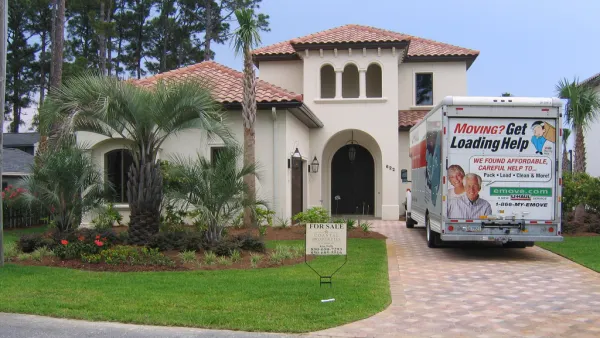
Millennials Leaving Their Mark on Suburbia
How will millennial homebuyers change suburbia, or will they? Realtors observe that millennials relocating from the city look for parts of their urban lifestyle, e.g., walkable neighborhoods, yet they also have traditional suburban tastes.
In Defense of Sharrows
A response to recent research that cast doubt on the effectiveness of sharrows.
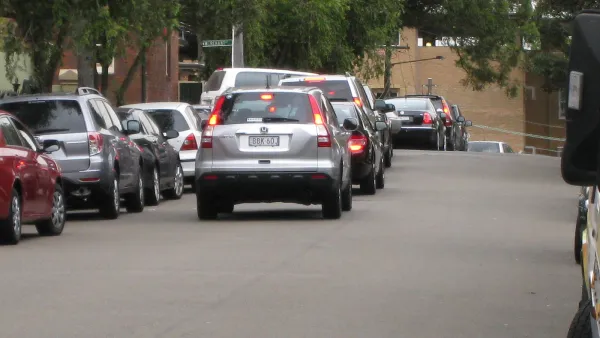
How Schools Can Address Idling Cars
Schools can do more to reduce the environmental threat posed by idling cars during drop-off or pick-up. School districts could also improve their buses with that aim in mind.

FREE Course: Walkable City 1: Why Walkability?
After describing his path towards focusing on walkability as the essence of good planning, Jeff Speck marches through his five principal reasons for making more walkable places.
Reinventing Malls: Planning Alchemy—Turning Gray Fields Into Gold
The course focuses on the opportunities and imperatives that shape reinvention of mall sites.

One Hundred Miles
County of Mendocino
planning NEXT
The Architects Foundation
University of Cincinnati Online
Montrose County
Northern Illinois Transit Authority (NITA)
The Pocatello Development Authority









