United States

Inclusionary Zoning: The Good and the Bad
New research shows that affordable housing mandates usually don't raise housing costs, but often fail to benefit benefit the lowest-income families.
Did Amazon Really Just Create a Pop-up Homeless Shelter?
As cities around the U.S. scramble to figure out how to address the housing affordability crisis, one of them has now leaned on the benevolence of what some consider the least benevolent of them all.
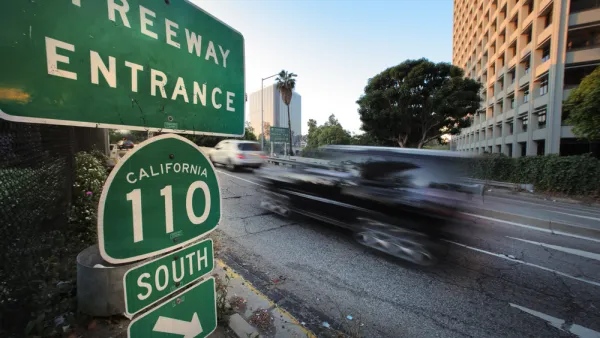
New Promise Zones Include South Los Angeles
South L.A.'s inclusion in the Promise Zones program marks a shift in the way the federal government measures poverty.

Planning After Big Data and the Internet of Things
The exact moment when new digital and Internet technologies fundamentally changed the practice of planning is debatable, but that the profession has been irrevocably altered is not debatable.

Anchorage Reconsiders Iconic 4th Avenue Theatre Development Proposal
Request for tax breaks to redevelop deteriorated property in downtown Anchorage are recommended for denial by Chief Financial Officer Robert Harris.
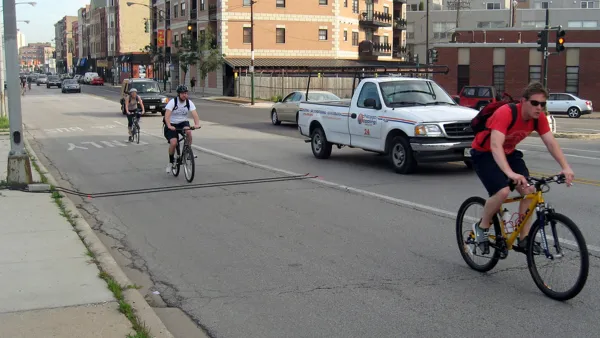
Bike Advocates Hone Data Tools
NextCity surveys a variety of new data-collecting technologies meant to clarify the impacts of bike and pedestrian infrastructure projects.

Mapping Tool Enables Housing Action in Detroit and Beyond
A web tool that helped Detroit develop a housing plan may ultimately provide public data on every parcel in the country.

What Millennials Want, and Why it Doesn't Matter
The debate about whether Millennials prefer urban or suburban misses a big, important point: what Millennials really prefer is possible in either setting.

Stop Saying 50 Percent of Humans Live in Cities
The idea that half the world's population has moved to cities, with more coming soon, misses a fundamental fact about cities: many of them are actually suburbs.
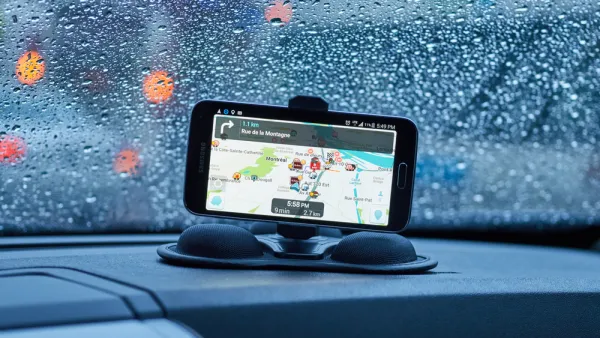
Waze vs. Residential Neighborhoods
Accounts of disgruntled residents responding by any means necessary to the flood of cars beckoned by the whims of navigation apps like Waze are spreading across the country.
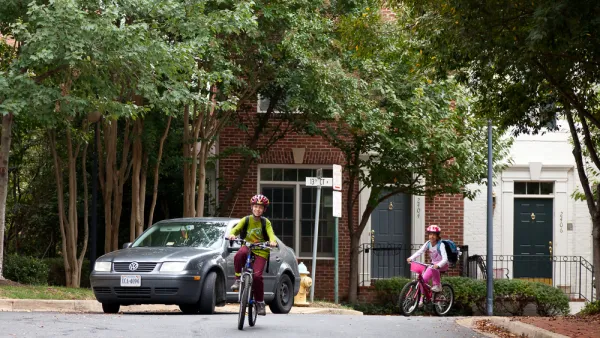
Op-Ed: Jane Jacobs Wouldn't Recognize the Cities of Today
Without children at the center of activity, the urban neighborhoods of today offer little compared to the ideals expressed by Jane Jacobs, according to this strongly worded critique of contemporary urbanism.
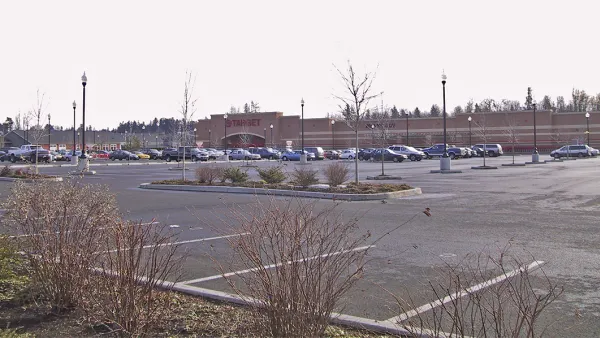
Study: Americans Can't Afford High Cost of Parking
Parking guru Donald Shoup writes in the current issue of Access magazine that parking is a "good servant but a poor master" meaning that parking should be friendly but not subsidized.

The Case for Modern Roundabouts: Increased Safety
Roundabout are gaining popularity in California and across the nation. While they have been shown to reduce crashes, not all are sold on the innovative concept, and when it comes to multi-lane roundabouts, cyclists have legitimate concerns.

Survey: Americans Favor TOD-Friendly Zoning Changes
A survey by HNTB Corporation found that 73 percent of Americans would support land use and zoning changes to encourage transit oriented development.
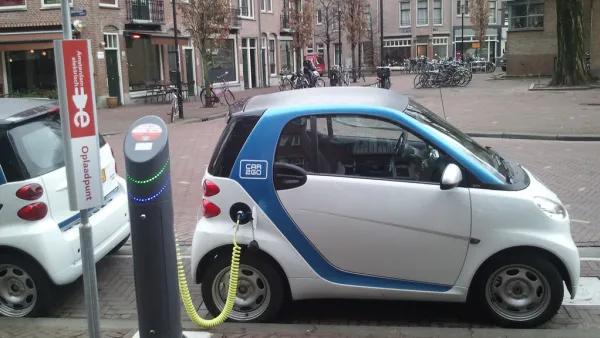
Electric Cars Hit the Million Mark
The worldwide stock of electric cars hit an impressive, if still superficial, milestone in 2015: one million electric cars currently on the road around the world.
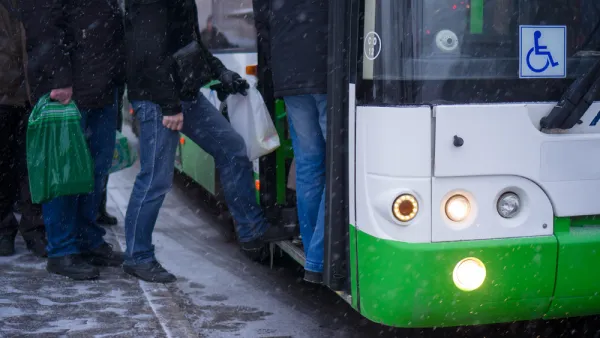
Another Outcome of Public Transit: Lessons in Virtue
An editorial for Strong Towns voices an idea perhaps thought, but rarely spoken: taking public transit can help you become a better person.
Drivers Not Ready to Give Full Control to Autonomous Cars
Consumers are interested in advanced safety technologies that assist the driver in reacting to potential collisions, but only 40% of drivers in the 25 to 34 year old age bracket are interested in full autonomy, a study by MIT's AgeLab found.

Study: Street Lights Don't Reduce Crime
Pacific Standard shares news of a study that debunks a long-held assumption of public safety.
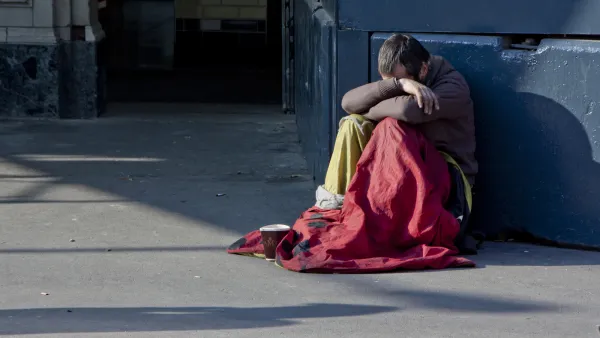
Cities Facing Lawsuits Over New Homeless Crackdowns
As more cities attempt to crackdown on homelessness, legal fights have broken out as advocates for the homeless fight back against the criminalization of panhandling and camping in public.
Drinking Behind New Mexico's High Pedestrian Fatality Rate
New Mexico had the nation's highest pedestrian fatality rate in 2014. Alcohol was a factor in over half the pedestrian fatalities in New Mexico, while nationally it's a third. According to the Albuquerque PD, drunk pedestrians are primarily to blame.

FREE Course: Walkable City 1: Why Walkability?
After describing his path towards focusing on walkability as the essence of good planning, Jeff Speck marches through his five principal reasons for making more walkable places.
Reinventing Malls: Planning Alchemy—Turning Gray Fields Into Gold
The course focuses on the opportunities and imperatives that shape reinvention of mall sites.

One Hundred Miles
County of Mendocino
planning NEXT
The Architects Foundation
University of Cincinnati Online
Montrose County
Northern Illinois Transit Authority (NITA)
The Pocatello Development Authority









