United States

Should We Stay or Should We Go? Low-Lying Coastal Towns Debate Choices
Two U.S. coastal communities are debating the merits of staying or leaving due to effects from climate change and rising sea levels

Pedestrians Need Protection from Motor Vehicles Used as Deadly Weapons
As of press time on Friday, the death toll from the Nice Bastille Day massacre is 84, injuries exceeding 200, a record for an act of alleged terrorism committed by a single person. It also sets a record for death by the use of a motor vehicle.

Survey: Nearly 8 out of 10 U.S. drivers engage in aggressive behavior
Majority of drivers in the United States admit to anger, aggression, or road rage at least once in the past year.
The Sharing Economy Comes to Urban Public Schools
How one firm is integrating sharing economy principles to bolster Chicago's public schools.
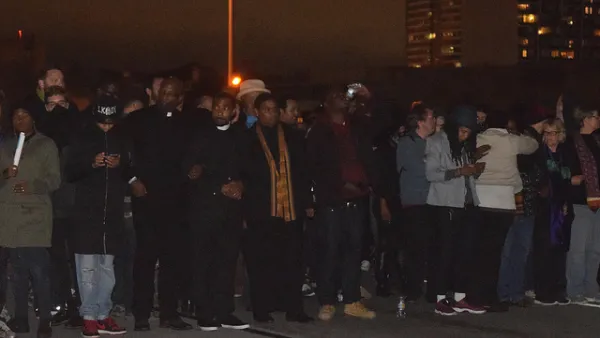
Why it Matters When Protesters Shut Down Highways
Emily Badger, writing for The Washington Post's Wonkblog, doesn't let planners off the hook for the racist history of highway planning around the country.

Clearing the Path for Tiny Houses
Clocking in at less than 500 square feet, tiny houses are in greater and greater demand. They've been touted as a means to address affordability, inequality, homelessness, and environmental concerns. But regulatory issues are holding them back.
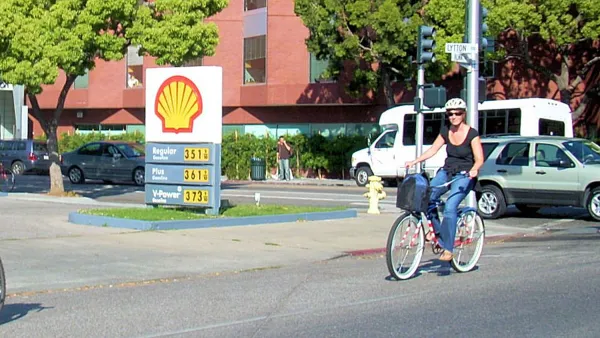
Charting the Precise Relationship Between Gas Prices and Transit Ridership
When gas prices fall, discretionary transit riders also spend less on transit according to an analysis of credit and debit card bills by the JP Morgan Chase Institute.
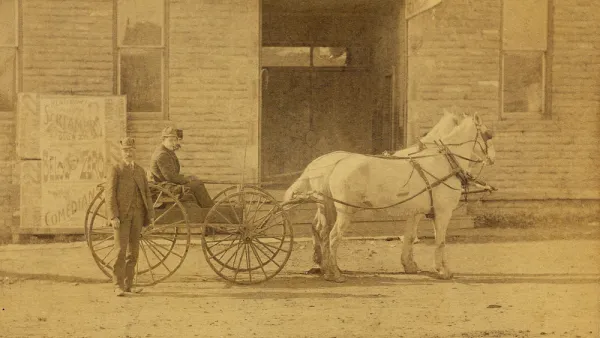
The Latest Trend in Transportation Infrastructure: Un-Paving Roads
A recent study discovered that towns and cities around the country had removed the pavement on thousands of roads in the last five years.

New Report Targets the Sacred Cows of Transit Planning
Next City introduces the key concepts included in TransitCenter's "Who's on Board" report.

Supreme Court to Decide on Interpretations of Historic Preservation
A brief by the Cato Institute describes historic preservation laws as arbitrary and ambiguous. A case before the Supreme Court could decide on either side of the issue.
Designing for Physical Inactivity
In this New York Times opinion, health issues correspondent Meera Senthilingam writes that too much of New York City is not designed for physical activity, including walking. Imagine what the suburbs and less vibrant cities are like!

Population Analysis—Explained and Exemplified
Yonah Freemark provides a comprehensive explainer of the nuts and bolts of population analysis, applying that expertise to an examination of downtown population change.

Looking for Solutions in a World of Innovations
Current trends in the design community require a pointed question: "When everything is characterized as 'world-changing,' is anything?"

Americans Shifting Away From the Auto, Maybe
The auto may no longer be "the quintessential symbol of American mobility, status and independence," opines Robert J. Samuelson for The Washington Post, as the latest demographic and auto ownership data point to a change in American mobility.
Meet the Roving Robot Parking Attendant
They're not as cute as R2D2, but they have better intentions than a Cylon. Welcome our new robot parking attendants.

Suburbs Are Failing the Elderly
Around two-thirds of Baby Boomers in metropolitan areas live in the suburbs. But as they age, suburbia seems less and less hospitable.

Op-Ed: We Shouldn't Rush to Regulate Airbnb
Is Airbnb a prime target for regulation, or is it just another way to expand the marketplace for bedrooms? Dan Bertolet urges caution. After all, couldn't less Airbnb just mean more hotels?
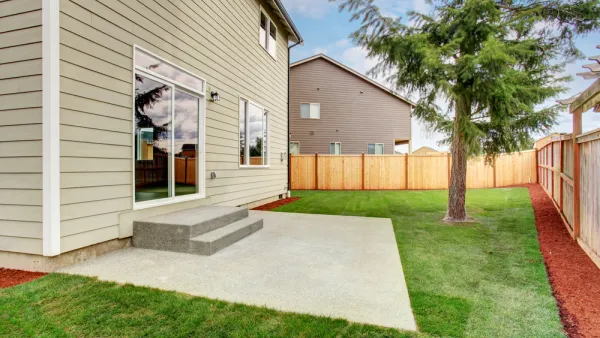
Yards Getting Smaller as Homes Get Bigger
Americans have shown a clear preference for larger homes—even at the expense of the coveted backyard.

Tiny Houses Aren't the Solution
Vox publishes an article debunking tiny houses as the housing silver bullet some hope they will become.

Will First Fatality Affect the Development of Self-Driving Cars?
A May 7 crash of a Model S Tesla in Florida may have outsized implications for the future of driverless technology. The details of the single-fatality crash were made public in a June 30 blog by Tesla though they were reported immediately to NHTSA.

FREE Course: Walkable City 1: Why Walkability?
After describing his path towards focusing on walkability as the essence of good planning, Jeff Speck marches through his five principal reasons for making more walkable places.
Reinventing Malls: Planning Alchemy—Turning Gray Fields Into Gold
The course focuses on the opportunities and imperatives that shape reinvention of mall sites.

One Hundred Miles
County of Mendocino
planning NEXT
The Architects Foundation
University of Cincinnati Online
Montrose County
Northern Illinois Transit Authority (NITA)
The Pocatello Development Authority









