United States
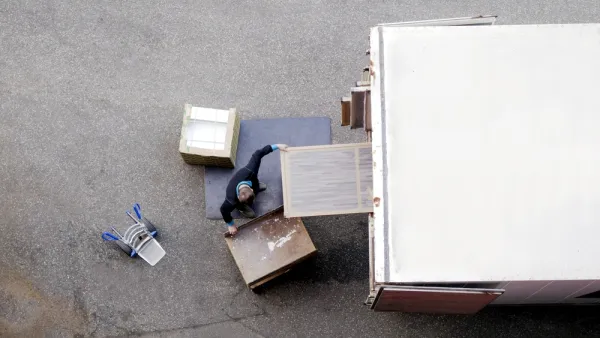
Political Sorting: Americans Moving to Places That Match Their Views
Americans are more likely to relocate to places where residents share their politics. One man is making a business out of helping conservatives move to conservative districts.

Amazon's Second HQ Poised for Smart Growth
With a second headquarters, Amazon is poised to expand its preference for walkable places into a new city. However, maybe the company should take the high road and not beg for subsidies.
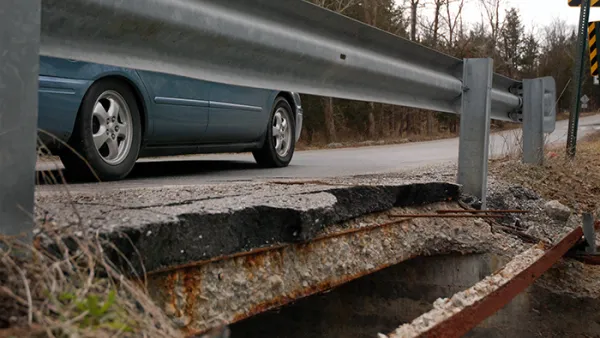
Decreased Net Spending Equals Crumbling Infrastructure
Public spending is not high enough to keep up with normal decay, much less extreme weather events. Yet politicians focus on building new infrastructure instead of saving what we have.
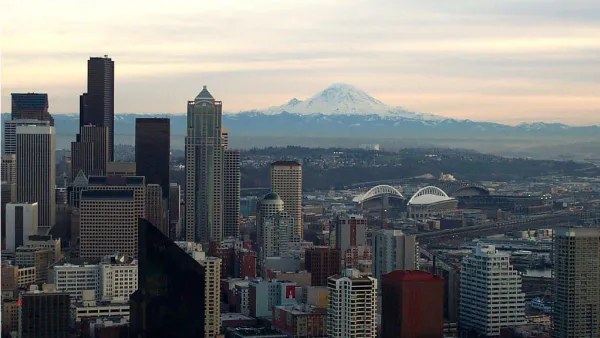
CNU Report Combats Suburban Poverty
The Puget Sound region provides a case study for the spread of poverty to suburban areas, and some region-specific recommendations for how to combat the challenges that result.

Study: Hurricanes Should Be Named Exxon and Chevron
A new study, published in the journal Climate Change, is naming the names of the very few companies that have caused most of the global change in climate.

Polling Residents on the Cleanliness of Their Cities
The happiness and quality of life or residents is often attached to their perception of the cleanliness of their city, according to this article.
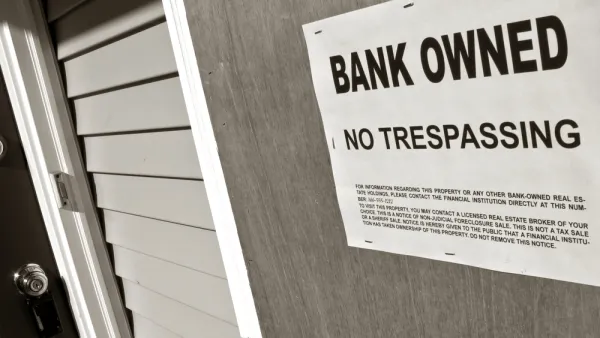
Report: House Flippers, Not Subprime Loans, Were Responsible for the Housing Crash
According to a new study, richer borrowers drove the economy off the cliff in the housing crash of the Great Recession.

The Pros and Cons of Concrete
A versatile building material with a long pedigree, concrete also has associations with ugliness and totalitarianism. Its reinforced variety, widely used today, can conceal a costly flaw.
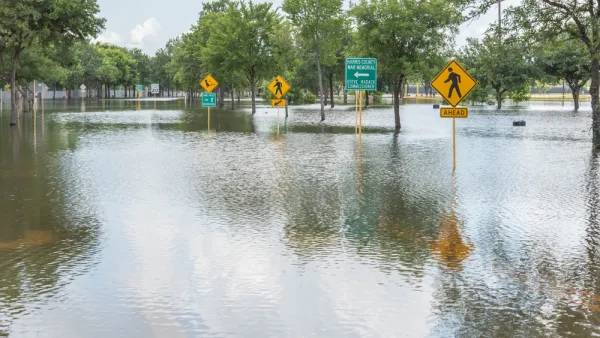
Houston Flooding: Climate Change or Development Patterns to Blame?
The Guardian's former environmental editor asks if urban sprawl is as much to blame as climate change for the flooding caused by Hurricane Harvey in Houston.
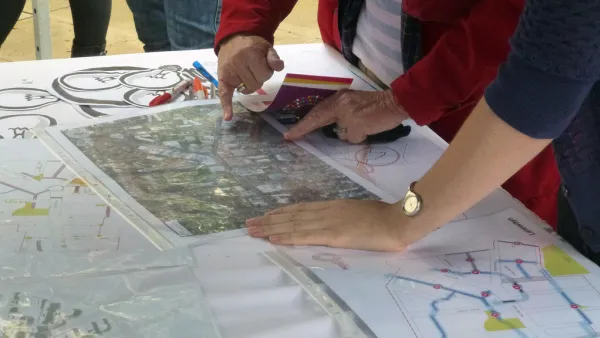
How to Improve Charrettes
In participatory planning, there is no planning without several events known as charrettes, which you probably already knew. Less likely to be common knowledge, however, is how charrettes can live up to their promise in the planning process.
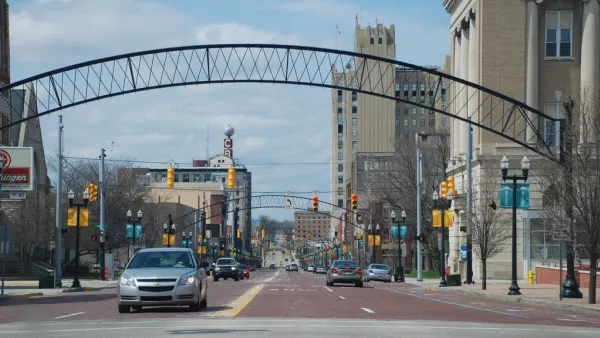
Strategies for Revitalizing Smaller Post-Industrial Cities
For every Pittsburgh or Cleveland success story, there's a story waiting to be told in smaller cities like Gary and Lowell.
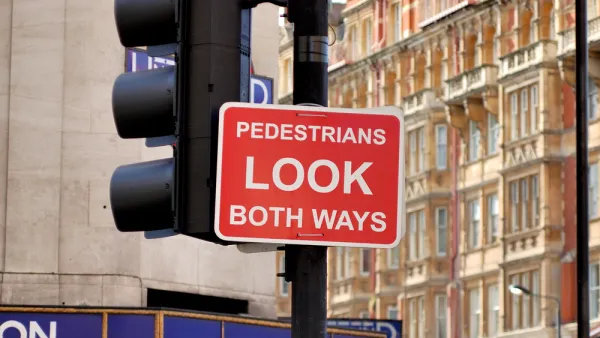
Ford Coins a New Term to Protect Cars from Pedestrians: 'Petextrians'
The Ford Motor Company picks a side in the traffic safety debate.
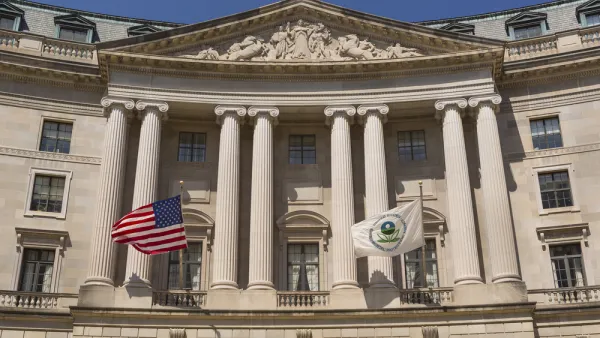
Mass Exodus Underway at the U.S. Environmental Protection Agency
Since the beginning of September, 400 employees have left the U.S. Environmental Protection Agency. The reduced staffing levels are by design.
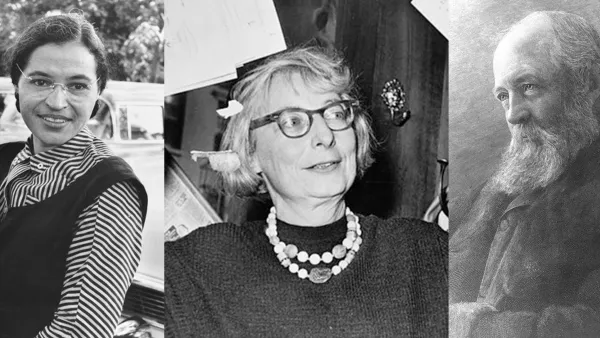
Vote for the Most Influential Urbanists
After accepting nearly 200 nominees for consideration, we're asking for votes to determine the "Most Influential Urbanists" of all time.

Rural U.S. Turning On to Wind Power
Rural counties and cities around the United States are figuring out that it pays to do business with renewable energy companies.
5 Beloved Architectural Creations Lost to History
If you could bring one building back from the wrecking balls of the past, what would it be?
Five Key Statistics for Understanding Millennial Households
There has been a lot of speculation about the motivations of Millennials as they enter the workforce and the real estate market. The Pew Research Center starts with the facts.
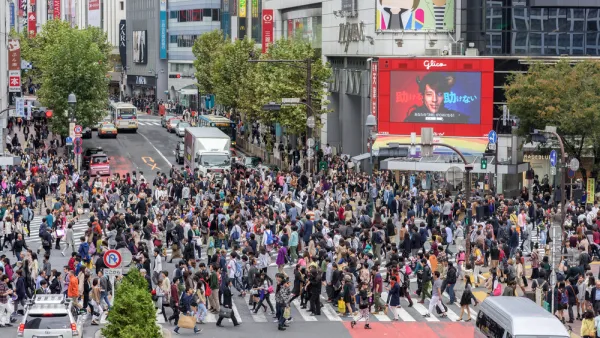
More Cities Following Honolulu's Victim Blaming Model for Pedestrian Safety
Pedestrian blaming won't make pedestrians any safer, but cities are trying it anyways.
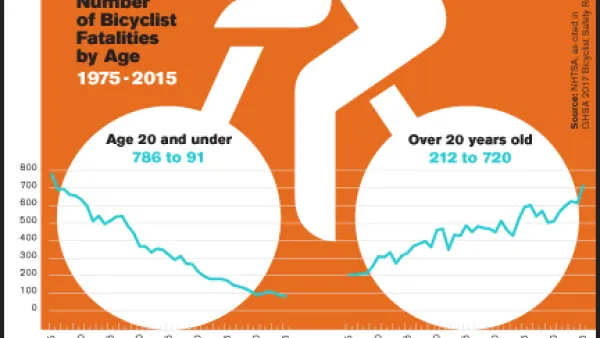
Bike Fatalities Rising Quickly
The Governors Highway Safety Association, in partnership with State Farm Insurance, has released surprising data about bike safety.
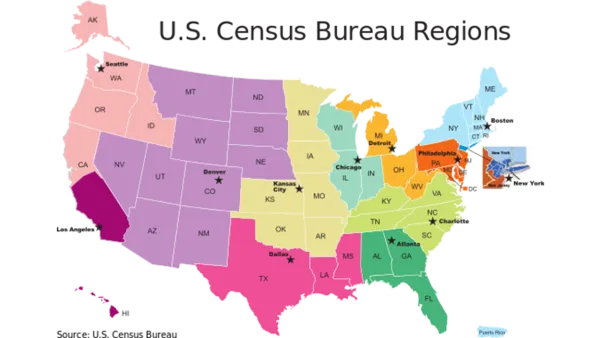
'High Risk' of Failure: The 2020 Census
Evidence that the Trump's Administration's ongoing "dismantling of the administrative state" is having an effect at the Census Bureau—with potentially disastrous consequences for governments of all shapes and sizes.

FREE Course: Walkable City 1: Why Walkability?
After describing his path towards focusing on walkability as the essence of good planning, Jeff Speck marches through his five principal reasons for making more walkable places.
Reinventing Malls: Planning Alchemy—Turning Gray Fields Into Gold
The course focuses on the opportunities and imperatives that shape reinvention of mall sites.

One Hundred Miles
County of Mendocino
planning NEXT
The Architects Foundation
University of Cincinnati Online
Montrose County
Northern Illinois Transit Authority (NITA)
The Pocatello Development Authority









