United States

Americans Have Fallen in Love With Outdoor Dining
Started as a response to pandemic restrictions, al fresco dining has taken off as customers, restaurant owners, and city officials realize the social and economic benefits of outdoor dining spaces.

The Declining Appeal of Lawns
Long held as a symbol of middle-class success and the American Dream, homogenous, monocultural lawns are quickly falling out of favor as people opt for more ecologically friendly gardens that conserve water and increase biodiversity.

Shared Mobility Ridership on the Rebound
Ridership on shared bike and scooter fleets showed numbers higher than before the pandemic in the second part of 2021, according to a new report.

The Unequal Impacts of Traffic Crashes
Rates of traffic deaths vary widely among racial and economic groups but continue to rise across the board.
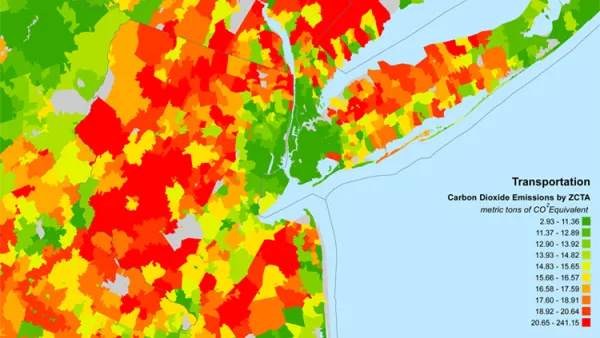
CoolClimate Policy Tools
The CoolClimate Network's Interactive Policy Tools calculate and compare the GHG reductions provided by various emission reduction policies. These tools can help households, businesses and communities identify the best emission reduction strategies.
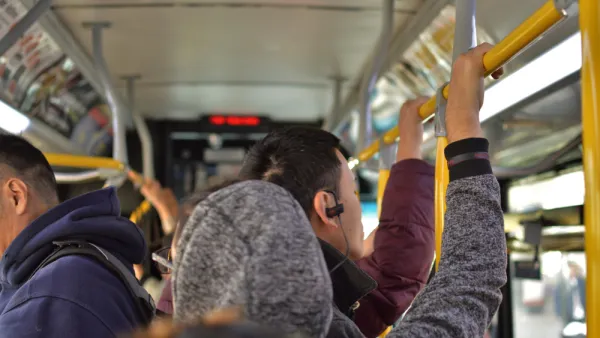
Report: Improved Service Key to Growing Bus Ridership
A NACTO report highlights the importance of bus-friendly policies and infrastructure for boosting ridership numbers and reducing urban congestion and pollution.

Opinion: Free Transit Opposition Is Tone Deaf
Critics of free transit programs argue that free fares may not decrease driving or fight climate change. Dr. Destiny Thomas explains why that argument ‘misses the point.’
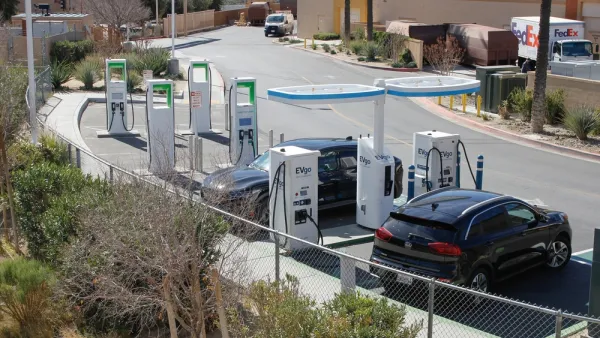
Electric Driving Is the Future; Now Is the Time to Price It
EVs are great, but they’re not perfect. Let’s end their free ride.
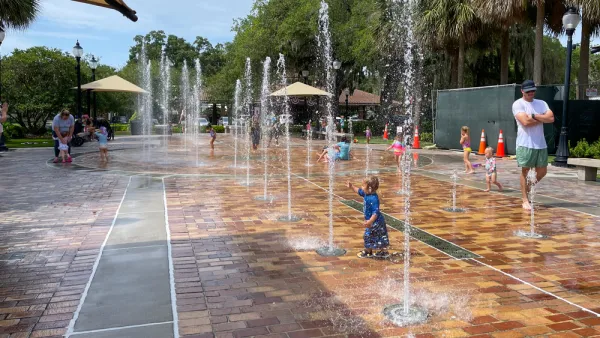
World’s First Municipal ‘Heat Officers’ Combat Extreme Heat
As extreme heat threatens infrastructure and public health, municipal ‘heat officers’ work to develop cooling strategies to keep urban residents safe from increasingly hot temperatures.
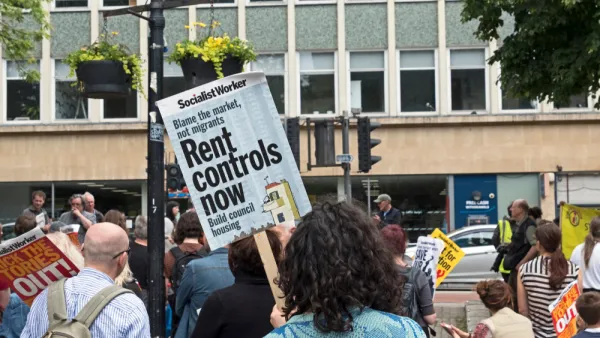
NLIHC Report: Wages Don’t Cover the Cost of Housing in Every Corner of the Country
The “Out of Reach 2022” report, published recently by the National Low Income Housing Coalition, paints a dire picture of a lack of housing affordability in the United States.
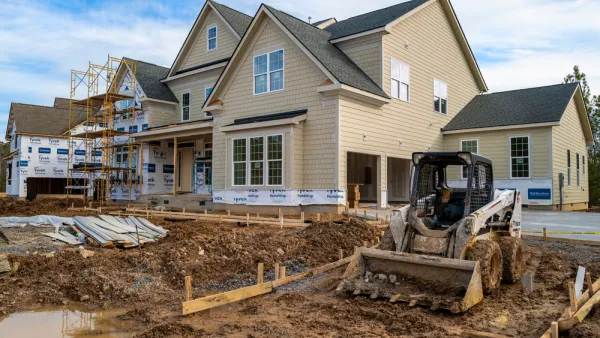
Opinion: To Boost Economic Development, Build Housing
Rather than providing incentives to lure employers to their cities, local leaders should focus on supporting enough affordable workforce housing to accommodate new and existing residents.

Efficiency Retrofits Get Expanded Tax Credits Under Inflation Reduction Act
The doubled incentive could be a ‘tipping point’ for innovative construction materials that were too expensive for most projects.

Remote Work Is Here To Stay
Based on available data, working from home is likely to remain a popular option with a high percentage of workers, changing the ways and places Americans live, work, and travel.

The Big Divide Between Big and Little Oil on the New Climate-Energy Law
President Joe Biden signed what he called “one of the most significant laws in our history” last Tuesday. The energy provisions in the law that benefit oil and gas extraction exposed different perspectives within the industry on the law.

Analysis of Downtown Recoveries Reveals Post-Pandemic Winners and Losers
The recovery of U.S. downtowns is happening at widely different paces depending on which city you consider.

Traffic Safety Has a Men Problem
Research from the Insurance Institute for Highway Safety paints a damning picture of the behavior of men behind the wheel of automobiles.
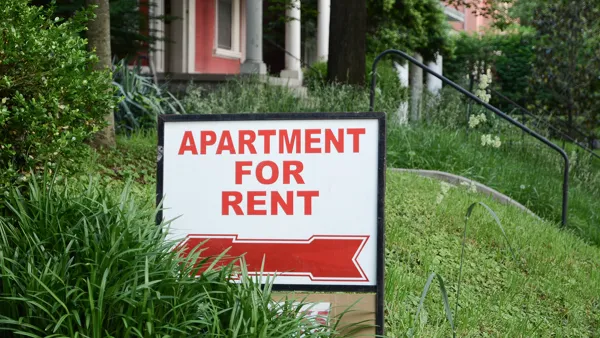
Explaining Rent Inflation
The delayed effects of changes in rent costs make rent inflation a difficult figure to pin down.
Vision Zero Still a Pipe Dream as Road Deaths Continue to Climb
U.S. traffic fatalities hit a twenty-year peak in the first quarter of 2022.
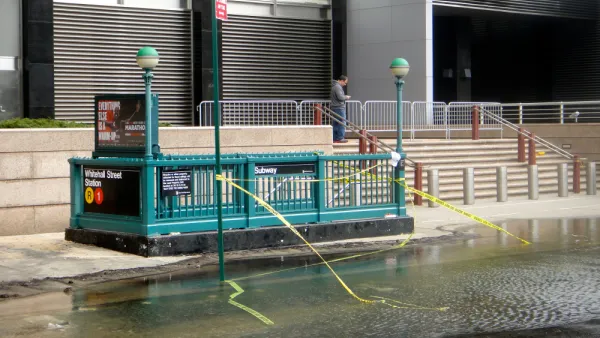
How Extreme Weather Threatens Transit Systems
As weather events become more intense and unpredictable, transit agencies must take steps to protect their aging infrastructure from flooding, storms, and extreme heat.
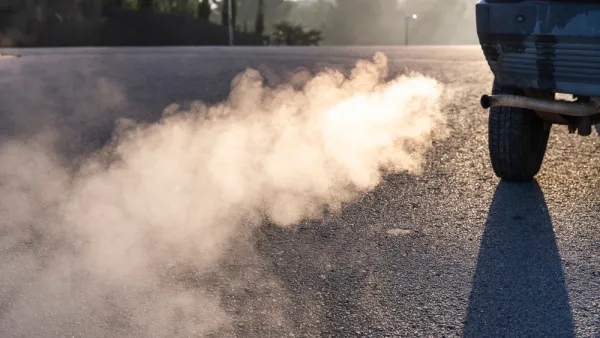
Federal Rule Would Require Regional Emissions Reduction Targets
A rule shelved during the Trump administration would require states and metropolitan areas to set targets for reducing tailpipe emissions, but advocates say it doesn’t go far enough to mandate results.

FREE Course: Walkable City 1: Why Walkability?
After describing his path towards focusing on walkability as the essence of good planning, Jeff Speck marches through his five principal reasons for making more walkable places.
Reinventing Malls: Planning Alchemy—Turning Gray Fields Into Gold
The course focuses on the opportunities and imperatives that shape reinvention of mall sites.

One Hundred Miles
County of Mendocino
planning NEXT
The Architects Foundation
University of Cincinnati Online
Montrose County
Northern Illinois Transit Authority (NITA)
The Pocatello Development Authority









