An annual survey reveals that mayors want to prioritize spending federal funding on homelessness, transportation, and social services.


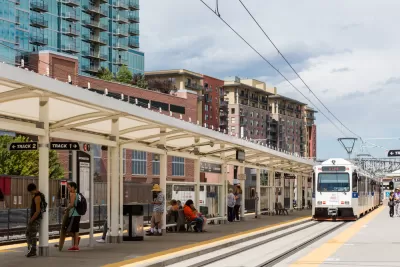
Mayors around the country are prioritizing homelessness and transportation as top needs that could be addressed by new federal funding, according to the annual Menino Survey of Mayors. The survey interviewed 126 mayors on issues related to COVID-19 responses, housing, and inequality and how they collaborate with the federal government to meet these challenges.
As Bill Lucia reports, when asked where they might spend their American Rescue Plan Act (ARPA) dollars, "21% of respondents said addressing homelessness, 18% transportation infrastructure, 15% social services, 15% housing and 13% answered either small business, municipal facilities, equity focused programs or broadband." A large majority of mayors believed ARPA funding could make a major difference for their cities.
According to survey results, less than a quarter of cities collect race and ethnicity data when planning climate resilience projects. Meanwhile, 75 percent of cities collect race and ethnicity data when documenting arrests. "Just over half of the mayors said that federal data reporting requirements are either 'very' or 'extremely' important for driving the race and ethnicity data that their cities collect," pointing to a need for more stringent federal regulations regarding data collection.
The report on the survey's finding concludes that, while the pandemic has had transformative effects on communities, mayors and city officials have developed innovative solutions that hold valuable lessons for policymakers at the state and federal levels.
FULL STORY: How Mayors Are Thinking About Prioritizing Federal Aid


Permanent Supportive Housing Providers Face Steep Insurance Hikes
High insurance costs are calling some organizations’ future into question as supportive housing providers struggle to meet their expenses.
Mayors’ Meeting Focuses on Housing Crisis
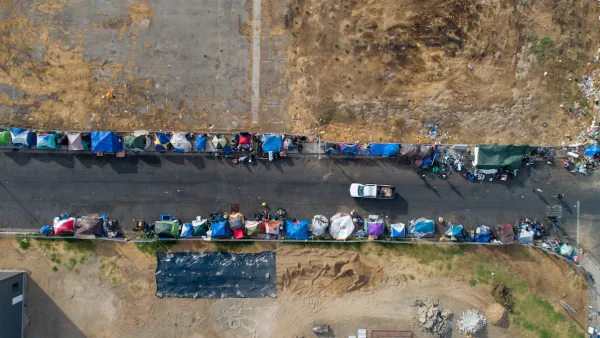
As the number of unhoused Americans grows, mayors met to learn from each other and assess their needs for federal support.
Survey: Most Mayors Fail to Link Zoning and Homelessness
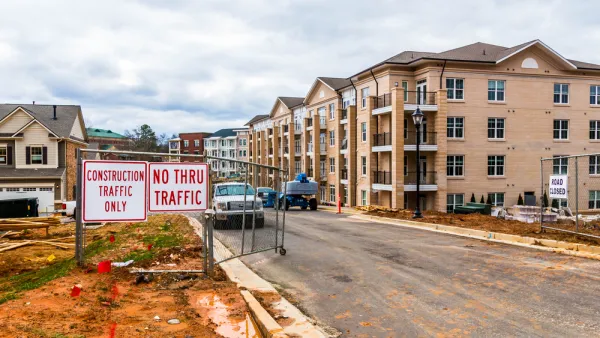
Despite the powerful impact of local land use and zoning policies on housing costs and supply, many U.S. mayors believe they have little control over homelessness in their cities.

Planetizen Federal Action Tracker
A weekly monitor of how Trump’s orders and actions are impacting planners and planning in America.

The state-sanctioned urbicide of Austin
People don’t kill cities. Freeways do.

US to reduce Colorado River water deliveries to Mexico
A new Colorado Treaty amendment reduces Mexico’s Colorado River water allocation by 250,000 acre feet.

Amtrak not solely to blame for New Jersey commuter rail's unreliability, report finds
A new study from the Garden State Initiative found that NJ Transit’s budget grew 20% across a 4 year period, but reliability declined significantly over the same period.

EPA erases limits on planet-warming pollution from power plants
Under Monday’s plan, power plants would still have some limits on how much mercury, arsenic and other contaminants they can emit.

Phoenix announces new on-demand transit service, more frequent RAPID buses
Both new services will launch in October, and are part of Phoenix's Project Effective Access Solutions for Easing Congestion.

FREE Course: Walkable City 1: Why Walkability?
After describing his path towards focusing on walkability as the essence of good planning, Jeff Speck marches through his five principal reasons for making more walkable places.
Reinventing Malls: Planning Alchemy—Turning Gray Fields Into Gold
The course focuses on the opportunities and imperatives that shape reinvention of mall sites.

Eagle County Government
Harvard University Graduate School of Design
Nashville Planning Department
The Architects Foundation
University of Cincinnati Online
The Pocatello Development Authority
The Urban Renewal Agency of the City of Pocatello
Journal of the American Planning Association