United States
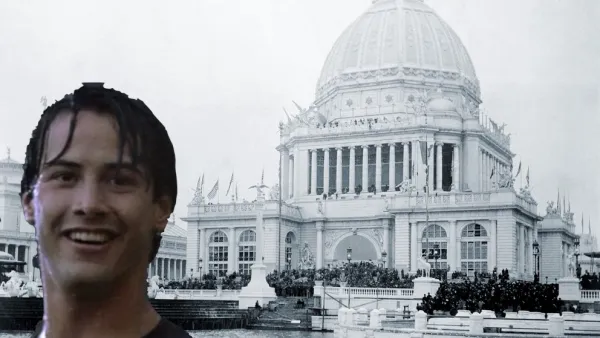
Keanu Reeves, Daniel Burnham Dream No Longer a Reality
Keanu Reeves will no longer portray Daniel Burnham in a film adaptation of The Devil in the White City.
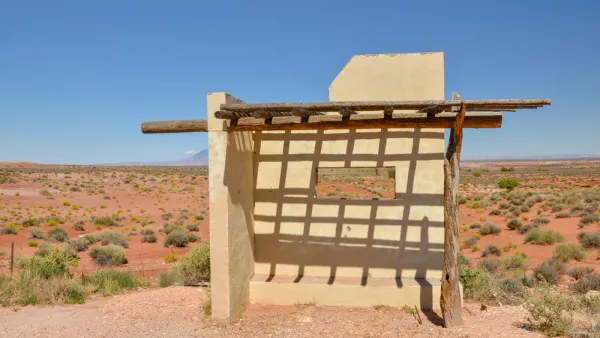
FTA Announces $9 Million in Tribal Transit Funding
The money will be distributed among 25 tribal communities to improve key transit services.
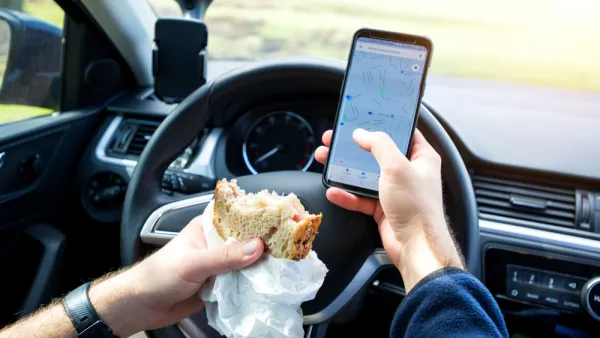
Study: Many Driver Assist Users Consider Their Cars Self-Driving
Almost half of drivers using Tesla and GMC driver assist technology report feeling comfortable treating their cars as fully autonomous.
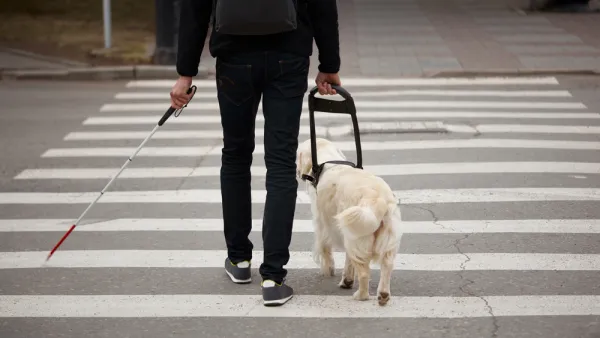
Opinion: Make Safe, Slow Streets the Default
For people with disabilities or limited mobility, a lack of safe infrastructure can cause significant disruptions, delays, and safety hazards.
Seven Charts Highlight the Strangeness of the Housing Market
The unique conditions created during the last few years have upended the U.S. housing market and led to some unusual trends.
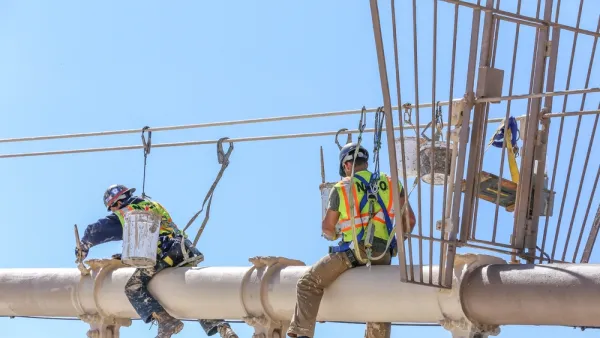
Feds Release $60 Billion for Roads, Bridges, and Carbon Reduction
The funding comes from last year’s infrastructure law and will be distributed among the states, the District of Columbia, and Puerto Rico.
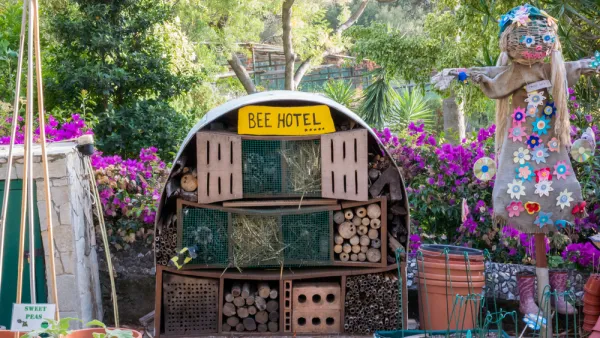
How Pollinators Fight Warming Cities
Researchers are starting to understand how urban bee populations can support healthy green spaces and reduce the urban heat island effect.
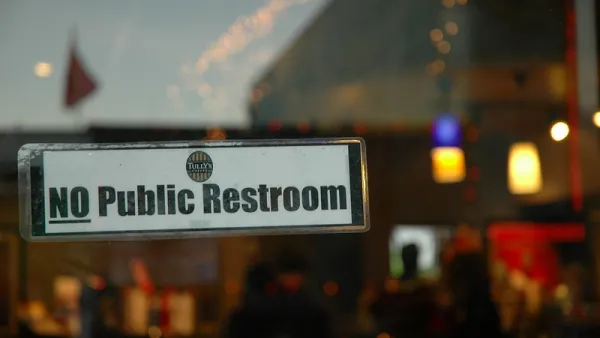
Opinion: Opening Restrooms to Public Is Good for Business
For many people with chronic illnesses, access to public restrooms can be a critical medical issue. Incentivizing businesses to open their restrooms can fill a critical gap in U.S. cities.
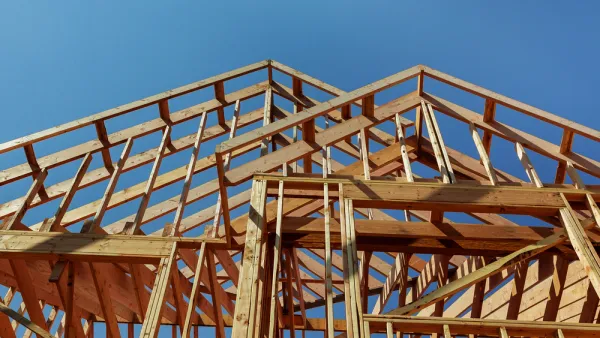
Housing Construction Slowest at Both Ends of Wealth Spectrum
Communities with the slowest rates of new housing construction are either heavily undervalued, leading developers to avoid them, or extremely wealthy, giving residents leverage to employ zoning and land use to block development.
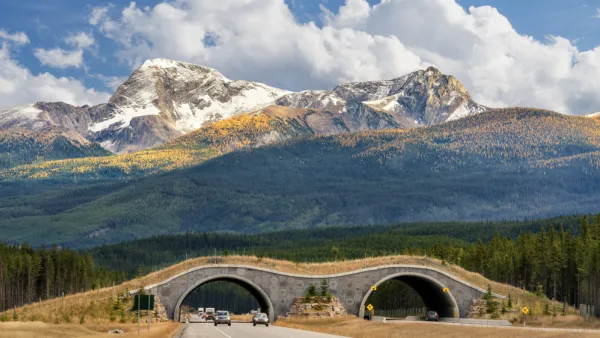
Wildlife Crossings as Key Infrastructure
Animal-vehicle collisions cause billions in property damage, hundreds of human deaths, and dramatic losses in animal populations every year. Monitoring migration and building for animals can make roads safer for everyone.
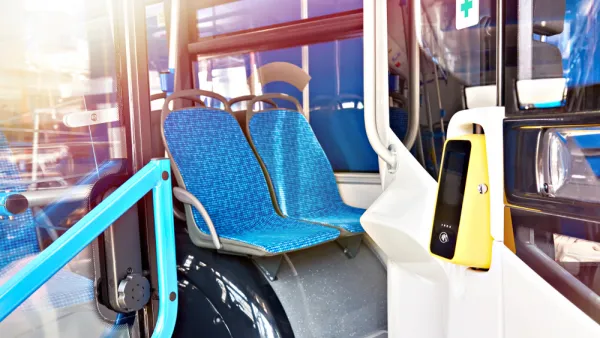
Study: In Lieu of Free Fares, Transit Needs a Cash Option
Many of the riders who rely on public transit the most are also least likely to be able to use cashless fare systems.
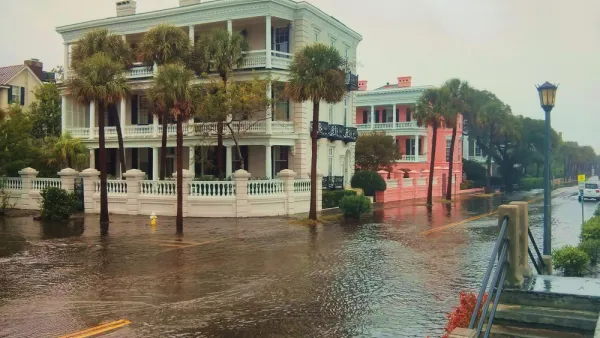
As Development in Flood-Prone Areas Continues, Cities Are Slow to Respond
Drawn by affordable property, low taxes, and job opportunities, high numbers of Americans continue to move to flood-prone areas even as the threat of catastrophic flooding grows.
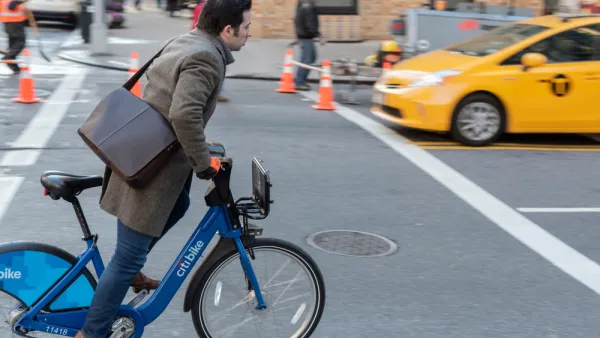
The Resilience of Bikeshare
The inherent simplicity of bikes makes shared mobility systems a crucial transportation option during natural disasters.
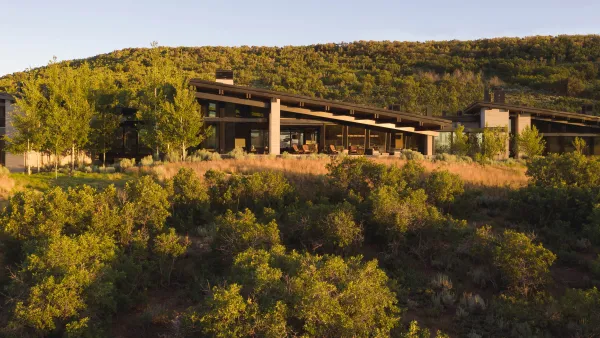
Winners of the 2022 American Society of Landscape Architects
The Society’s annual awards highlight projects focused on reconnecting communities to the landscape and creating healthy community spaces.

How Remote Work is Changing the Playing Field for Workers With Disabilities
The more widespread acceptance of working from home is helping millions of Americans with disabilities get back into the workforce and find better job opportunities.
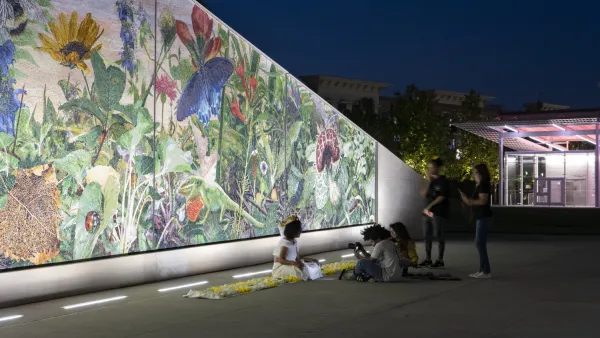
Placemaking: Building on the ‘Soul’ of a Place
Placemaking is often mistaken for a form of manufacturing. Every place already has a story to tell—placemaking just brings that story forward.
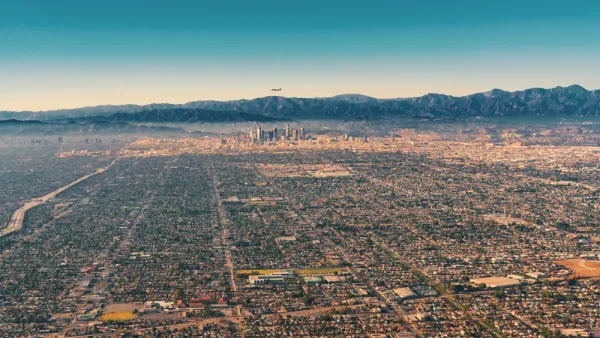
The Inflation Reduction Act Missed a Chance to Rein in Car-Dependent Sprawl
The federal government is so far unwilling to reverse course on car-dependent sprawl. The Inflation Reduction Act is the latest example.
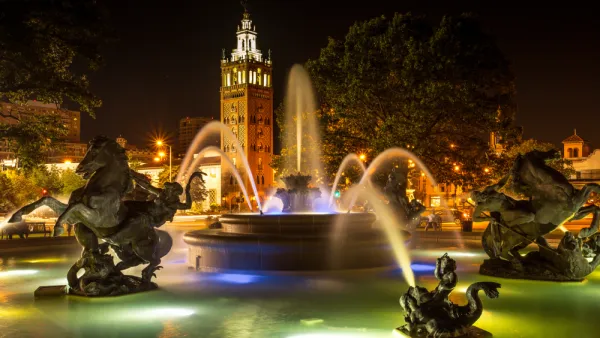
Three Planning Innovations, a Century Later
Three events turning 100 this year have had a long-lasting impact on the shape of American urban design and land use.
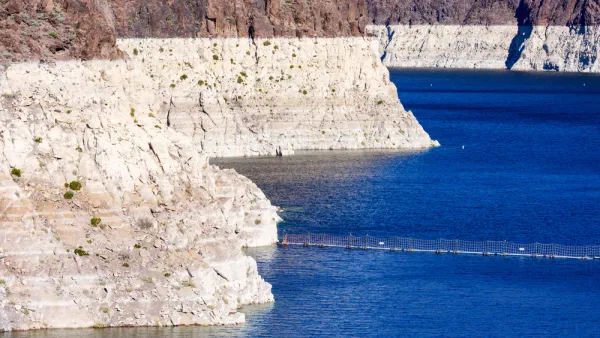
Colorado River Water Crisis Deepens
The states that rely on the Colorado’s water must make drastic cuts in water usage to maintain use of the West’s most important—and most threatened—water source.
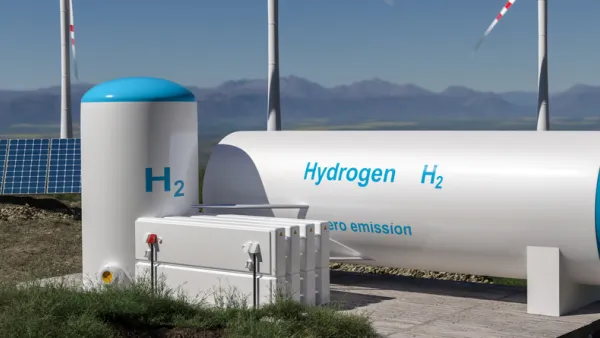
Two New Clean Energy Programs Funded by the Bipartisan Infrastructure Law Unveiled
The U.S. Department of Energy announced two new programs last month that are funded by the $1.2 trillion Infrastructure Investment and Jobs Act: $7 billion to create regional ‘hydrogen hubs’ and $4.9 billion to ‘manage and store carbon pollution.’

FREE Course: Walkable City 1: Why Walkability?
After describing his path towards focusing on walkability as the essence of good planning, Jeff Speck marches through his five principal reasons for making more walkable places.
Reinventing Malls: Planning Alchemy—Turning Gray Fields Into Gold
The course focuses on the opportunities and imperatives that shape reinvention of mall sites.

One Hundred Miles
County of Mendocino
planning NEXT
The Architects Foundation
University of Cincinnati Online
Montrose County
Northern Illinois Transit Authority (NITA)
The Pocatello Development Authority









