United States
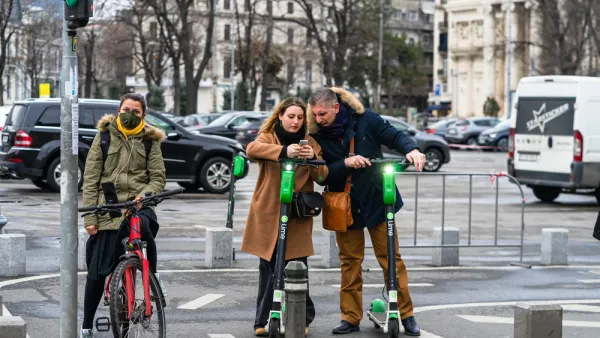
New Data Reveals Shared Mobility's Significant Impact on Emissions
Two new studies show that the adoption of shared micromobility can reduce transportation-related emissions and congestion by substantial margins.
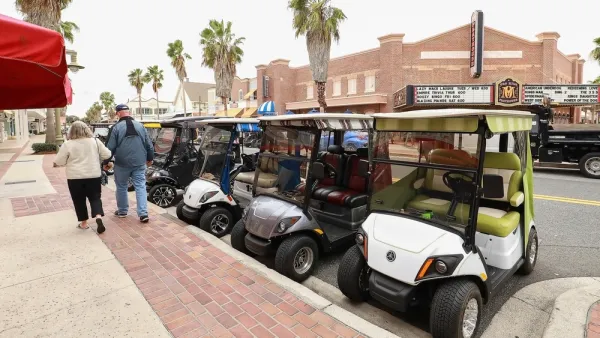
The Disruptive Power of ‘Minimobility’
Small, lightweight vehicles similar to golf carts could eliminate many Americans’ need for a second car and make roads safer for all users.
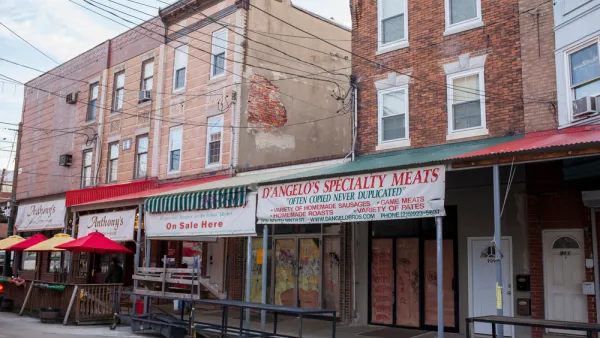
Land Trusts Put Commercial Real Estate in Community Hands
A growing movement to create community-owned commercial spaces could shift power away from institutional landlords.
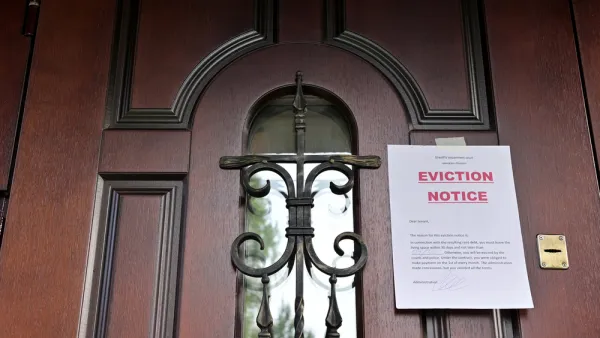
The Eviction Crisis Continues as Federal Aid Dries Up
Eviction rates are rising as rents and inflation grow around the country and households struggle to keep up with rent payments.
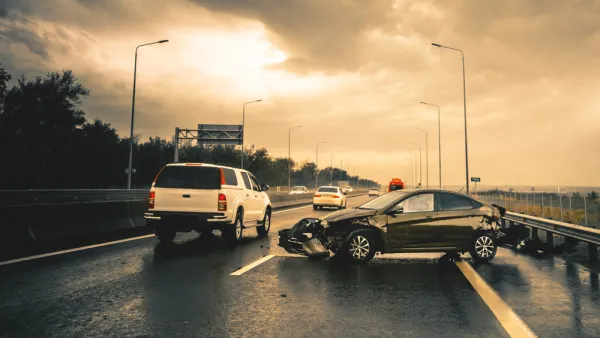
Crash Analysis Studio Brings ‘Standard of Care’ to Traffic Fatalities
A new tool from Strong Towns provides a model for comprehensively evaluating the causes behind deadly crashes and how to prevent them.
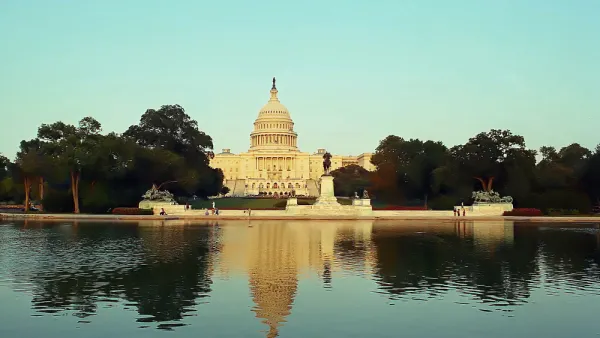
No Bragging Rights for Passing the Infrastructure Act?
You'd think the passage of the $1.2 trillion bipartisan infrastructure act would convey bragging rights for Democratic congress members facing competitive midterm elections today. Ironically, Republicans who opposed the bill are taking credit.

The Elections and Transportation
The Eno Center provides a list of transportation ballot measures to keep an eye on today.

Traffic Safety Declining in U.S., Bucking Global Trend
While other countries are seeing fewer road deaths, traffic violence in the United States is back on the rise.
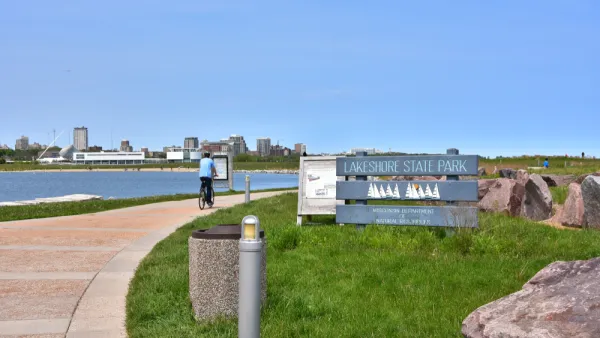
New Online Data and Resource Library for Parks and Recreation
The National Recreation and Park Association has created a new virtual library offering a collection of publicly available databases and visualizations for park and recreation professionals and advocates.
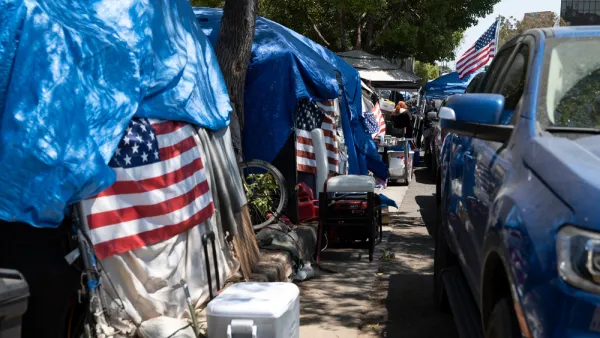
Homelessness Among Veterans Drops Sharply
The number of unhoused vets fell by more than 50 percent since 2016, with significant gains made in the last two years.
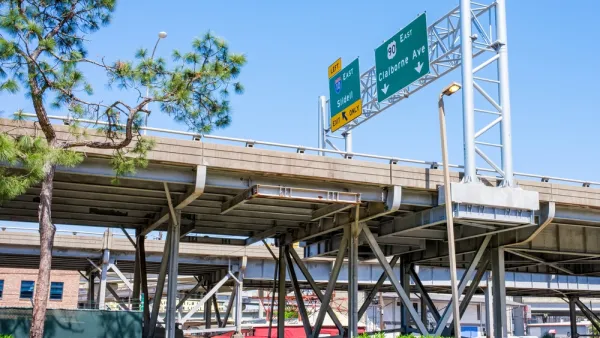
‘Reconnecting Communities’ Could Fund Highway Expansions
Applications to the program reveal a pattern of state agencies requesting funds for projects that perpetuate car-centric development with only nominal equity components.
The Republican Energy and Climate Agenda
With many polls predicting a ‘red wave’ on Election Day, we take a look at the energy and climate agenda of the 118th Congress under Republican control.
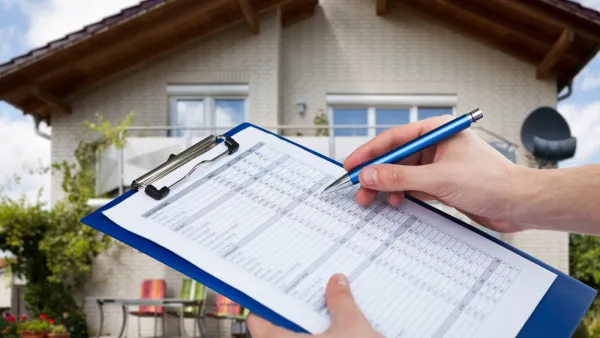
Report: Racial Gap in Home Appraisals Increasing
An analysis of government data reveals a growing gap in the appraised values of homes in white and Black neighborhoods.

Use or Misuse of the Strategic Petroleum Reserve?
Rising gasoline prices prompted President Biden to announce on October 19 that he was authorizing the release of 15 million barrels of crude oil from the nation's Strategic Petroleum Reserve.

The Fight to Improve Tribal Transportation
Advocates for tribal communities argue that the bipartisan infrastructure bill does not direct enough money to tribal transportation needs, but USDOT and local leaders can ensure more equitable distribution of funds to projects on tribal lands.
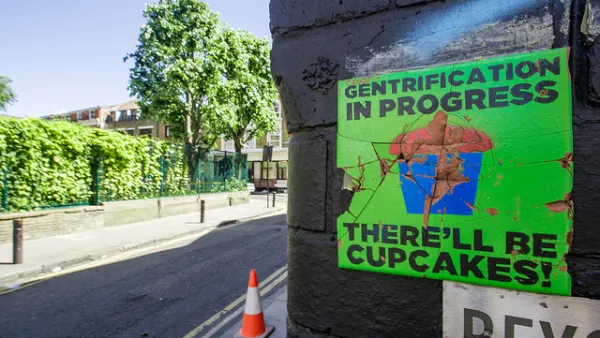
How to Recognize Gentrification
A new book digs into the politics and contradictions of the gentrification debate.

Autonomous Vehicle Industry Hits a Bump in the Road
Slashed budgets, executives heading for the exits, and delayed dreams—the autonomous vehicle industry is taking longer to get on the road than industry supporters expected.
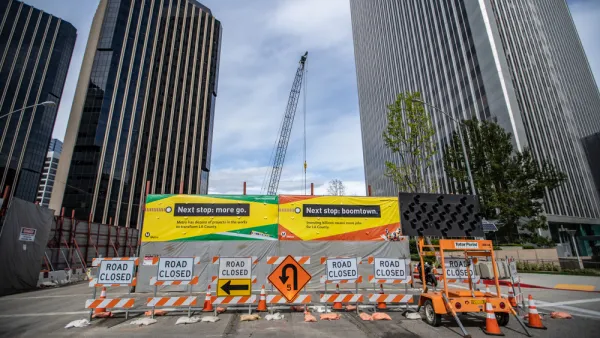
Database Analyzes Global Transit Project Costs
Researchers are cataloging the costs of transit projects around the world in an attempt to identify ways to bring costs down and spend transit funding more efficiently.

Why Cities Will Outlast the Pandemic Slump
A new report suggests that despite recent challenges, the ‘value proposition’ of urban activity centers remains as strong as ever.

Do Owner Occupancy Requirements Constrain Housing Supply?
Born out of a fear of absentee owners and rapacious investors, owner-occupancy requirements can have the contradictory effects of excluding renters from neighborhoods and limiting the number of rental units available.

FREE Course: Walkable City 1: Why Walkability?
After describing his path towards focusing on walkability as the essence of good planning, Jeff Speck marches through his five principal reasons for making more walkable places.
Reinventing Malls: Planning Alchemy—Turning Gray Fields Into Gold
The course focuses on the opportunities and imperatives that shape reinvention of mall sites.

One Hundred Miles
County of Mendocino
planning NEXT
The Architects Foundation
University of Cincinnati Online
Montrose County
Northern Illinois Transit Authority (NITA)
The Pocatello Development Authority









