The American Rescue Plan included $280 million in funding for the Indian Community Development Block Grant program. A third round of funding announced in January adds $84 million to that total.


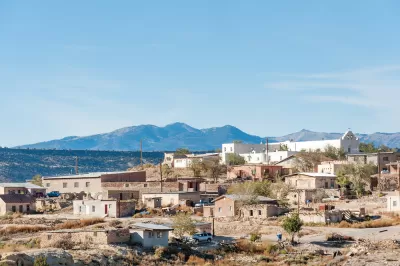
The U.S. Department of Housing and Urban Development (HUD) on January 18 announced $83 million in Indian Community Block Grant-American Rescue Plan (ICDBG-ARP) grants. The latest funding allocation, the third round of ICDBG-ARP grants, will be sent to 74 tribal communities around the United States (a PDF document lists the specific awards in detail).
Previous funding awards totaled $74 million in grants for 68 tribal communities in November 2021 and $52 million for 49 tribal communities in December 2021. The American Rescue Plan included a total of $280 million for the Indian Community Development Block Grant program, according to a HUD press release, so there will be more grants to come.
News articles by the Associated Press and the New Mexico Sun are referring to the ICDBG-ARP grants as "imminent threat funding." The Associated press headlined the news about the funding as "housing grants," but also provided details of projects to improve emergency facilities and mobile medical units as the beneficiaries of the new funding.
Read the full story: HUD ANNOUNCES $83 MILLION TO DELIVER EQUITABLE COVID-19 RELIEF TO TRIBAL COMMUNITIES


Federal Stimulus Offers a Chance for Local Reinvention
Cities around the country are making big plans for economic relief funding from the federal government.
Infrastructure and its Discontents
The significance of the Biden administration's expansive view of infrastructure is reflected in the flood of commentary published in the week since the public's first look at the American Jobs Plan.
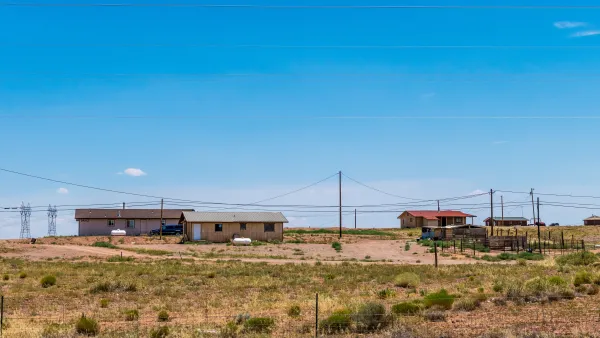
HUD Grants Support Housing and Infrastructure in Native Communities
The department announced $95 million in funding for housing renovations, infrastructure projects, and community facilities.

Planetizen Federal Action Tracker
A weekly monitor of how Trump’s orders and actions are impacting planners and planning in America.

California plans to bury El Niño’s downpour
If the state plays its cards right, it may be able to store a billion acre-feet of El Niño’s water in aquifers.

Chicago breaks ground on $3 billion megadevelopment
The new neighborhood, titled Foundry Park, will one day host 3,700 residences.

California High-Speed Rail Authority CEO resigns after $600,000 scandal
Under Ian Choudri, the authority used taxpayer dollars to fund first class flights and trips to nightclubs.

Want to study the Missouri River? Soon, you may need unanimous approval from 10 states
Legislation would require 10 governors’ permission to study or build projects moving water outside the basin.

Desperate measures: Advocates weigh draining Lake Powell to fill Colorado River
Draining the reservoir could reduce evaporation losses by a couple hundred thousand acre-feet.

FREE Course: Walkable City 1: Why Walkability?
After describing his path towards focusing on walkability as the essence of good planning, Jeff Speck marches through his five principal reasons for making more walkable places.
Reinventing Malls: Planning Alchemy—Turning Gray Fields Into Gold
The course focuses on the opportunities and imperatives that shape reinvention of mall sites.

City of Rosemead
Rutgers University, Edward J. Bloustein School of Planning and Public Policy
One Hundred Miles
Hunter College, City University of New York (CUNY)
The Architects Foundation
University of Cincinnati Online
City of Cambridge
Montrose County
The Pocatello Development Authority