Urban Development
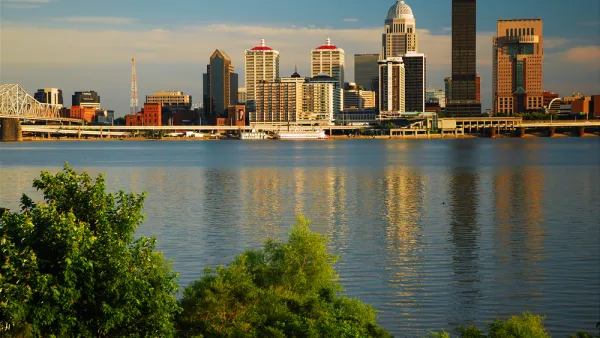
Where and Why Rezonings Are More Likely to Succeed
A new analysis of developer-initiated rezonings in Louisville, Kentucky sheds light on how the land use regulation system works.
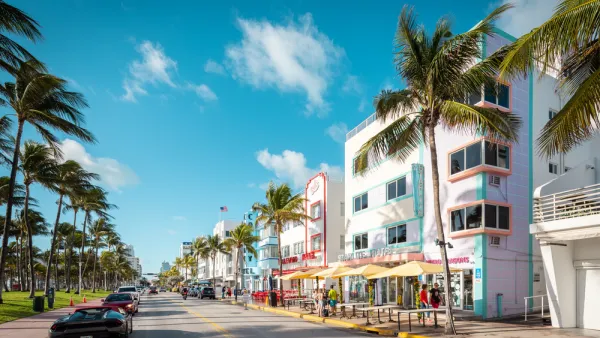
Voters Reject Miami Beach High-Rises
Developers planning to build above the city’s current height limit will have to go back to the drawing board.
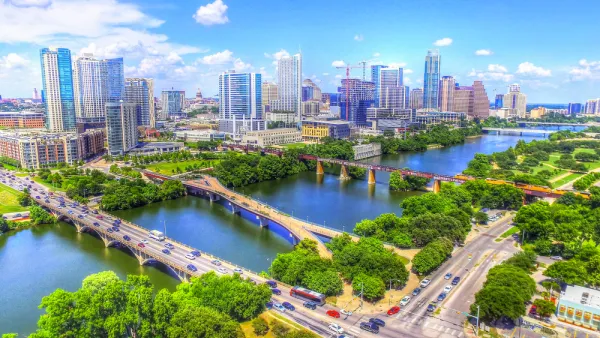
Skyscraper Proposed for Austin Would Be Tallest in Texas
The skylines are starting to catch up to the hype about everything being bigger in Texas.
Elizabeth Warren Points to Development as a Path for Electoral Success
An op-ed written by Senator Elizabeth Warren (D-Massachusetts) details Democrats’ recent track record of large-scale capital investments and calls for more.
Seeking a Post-Pandemic Comeback, WeWork to Close More Offices
WeWork isn’t dead yet, hoping to ride post-pandemic interest in flexible workspace to a comeback story for the ages. There are still cuts to be made, however.
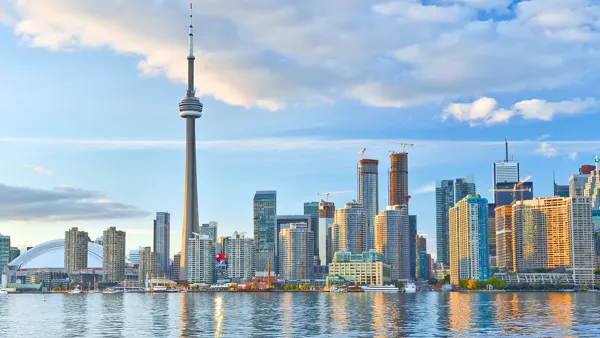
‘Skyscraper Race’ Underway in Toronto
No skyline in North America has changed as drastically as Toronto’s in recent decades. A slate of new skyscraper proposals, called a “skyscraper race” by observers, could continue the trend.
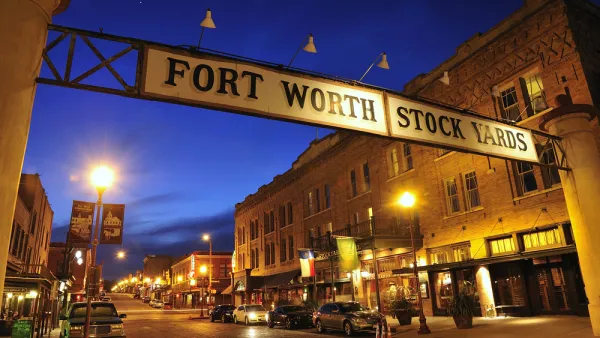
Business Group Fights Apartments in Fort Worth Stockyards
The city’s zoning commission voted to require city council approval for new apartments east of Packers Street and Niles City Boulevard after a local business group coplained about added traffic.
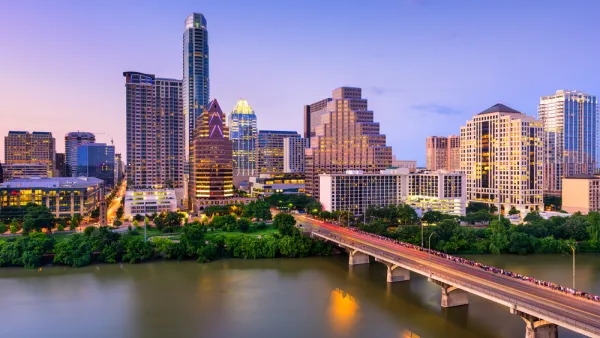
New Green Development Rules Take Effect in Austin
The city updated its development code to include more robust protection for local wetlands and stricter sustainable stormwater infrastructure requirements.

Tracking Boston’s Emissions Reduction Progress
The Boston Foundation published the “Inaugural Boston Climate Progress Report” earlier this month. Other U.S. cities should follow their lead.

2022 Midterm Election Results for Land Use, Transportation, and the Climate
The most closely watched midterm election since the last midterm election offered voters an opportunity to decide on matters of consequence related to land use, housing, transportation, and the environment.
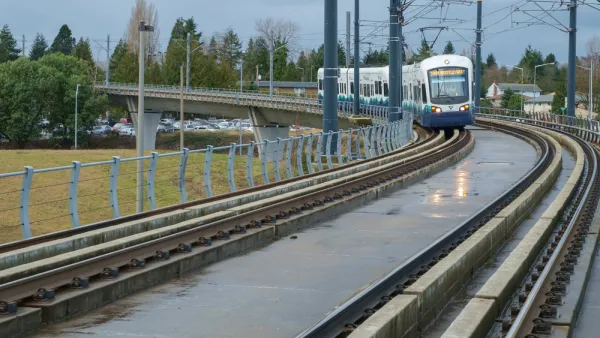
Airport-Adjacent Seattle Suburb Aims for a Transit-Oriented Overhaul
The challenges and opportunities of transforming from a car-centric to a transit-oriented, affordable built environment are on display in a Seattle suburb.

New Building Heights Approved for Austin
A zoning change has increase height limits from 308 feet to 420 feet for new buildings near the city’s MLS stadium.

How to Include Community Ideas in Urban Development
Urban planners are obligated to sensible and efficient development, but can also take community ideas into account. By prioritizing concerns and thoughts and keeping the future in mind, planners can develop optimal urban communities.
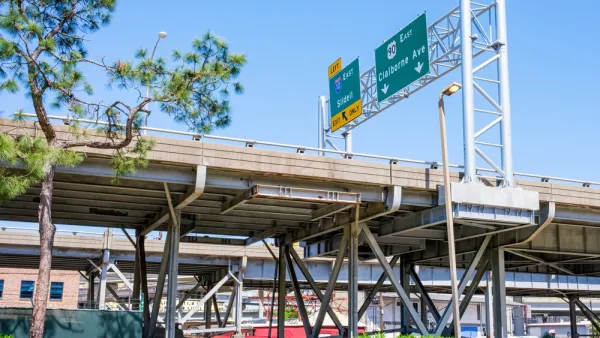
‘Reconnecting Communities’ Could Fund Highway Expansions
Applications to the program reveal a pattern of state agencies requesting funds for projects that perpetuate car-centric development with only nominal equity components.
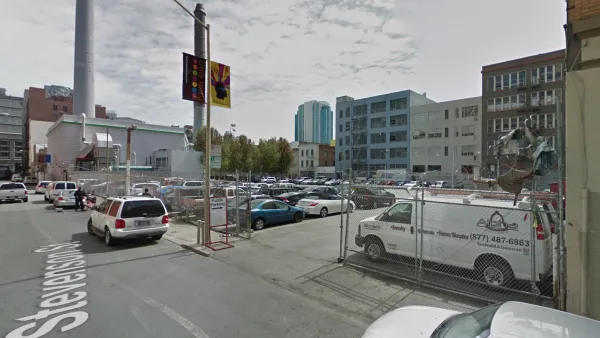
Court Ruling a Setback for California’s ‘Builder’s Remedy’
A state court has ruled in favor of the San Francisco Board of Supervisors’ efforts to block a development project despite the state’s efforts to intervene.
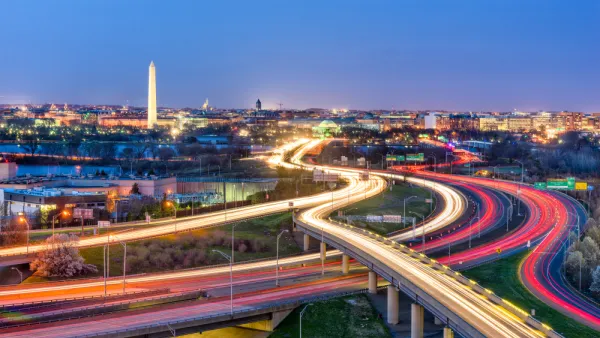
D.C. Office of Planning Unveils Congress Heights Equitable Development Plan
The district’s small area plans (SAPs) are designed to ensure equitable economic and community development at the hyper-local level.
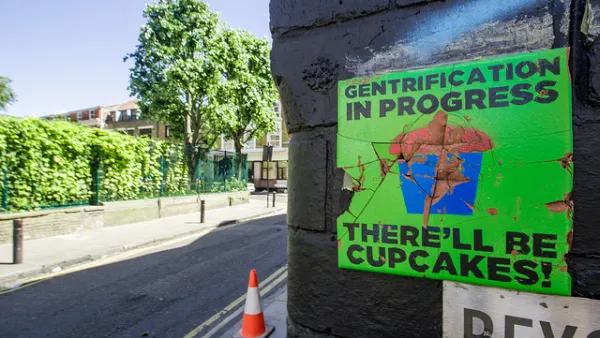
How to Recognize Gentrification
A new book digs into the politics and contradictions of the gentrification debate.
Why Cities Will Outlast the Pandemic Slump
A new report suggests that despite recent challenges, the ‘value proposition’ of urban activity centers remains as strong as ever.
Montgomery County Growth Plan Approved
The county council approved the much-debated long-range growth plan, preparing the region for a shift toward more mid-density housing and transit-oriented development.
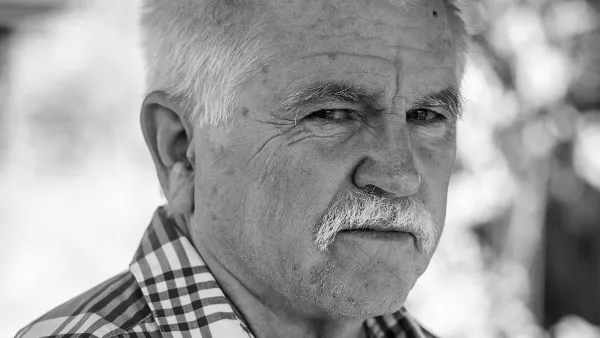
Remembering a Titan: Mike Davis Dies at 76
Davis’ unflinching portrait of Los Angeles politics and power dynamics remains a penetrating analysis of modern city-building, who it benefits, and who it leaves behind.

FREE Course: Walkable City 1: Why Walkability?
After describing his path towards focusing on walkability as the essence of good planning, Jeff Speck marches through his five principal reasons for making more walkable places.
Reinventing Malls: Planning Alchemy—Turning Gray Fields Into Gold
The course focuses on the opportunities and imperatives that shape reinvention of mall sites.

City of Rosemead
Rutgers University, Edward J. Bloustein School of Planning and Public Policy
One Hundred Miles
University of Michigan School for Environment and Sustainability (SEAS)
Hunter College, City University of New York (CUNY)
The Architects Foundation
City of Cambridge
Montrose County
The Pocatello Development Authority









