Urban Development

Pittsburgh Adaptive Reuse Program Accepting Applications
The city has issued a request for proposals to support projects converting downtown office buildings to affordable housing.

Cleveland: The Nation’s Most Equitably Walkable City
A new study assesses which cities have the broadest access to walkable neighborhoods.

Exxon’s Former Houston Headquarters Could Become a Residential High Rise
The former headquarters of Humble Oil, a predecessor to Exxon, will be converted to apartments in Houston, after New York-based developers CMI Developers purchased the building with a plan for adaptive reuse.
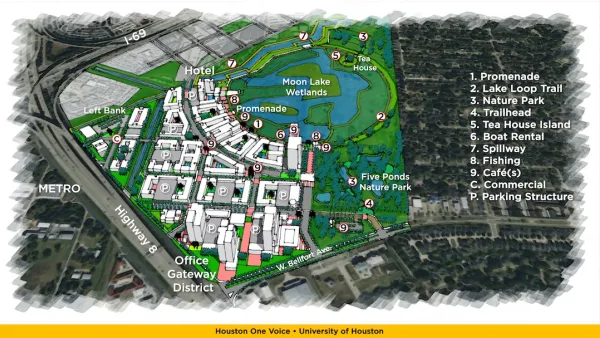
A Mixed-Use Vision for Houston Landfill Site
A local nonprofit is urging the city to consider adding mixed-use development to the site, which city officials plan to turn into a stormwater detention facility.

Learning Loss and Urban Schools
Did urban students lose ground academically because of COVID? Yes, but no more so than suburbanites.
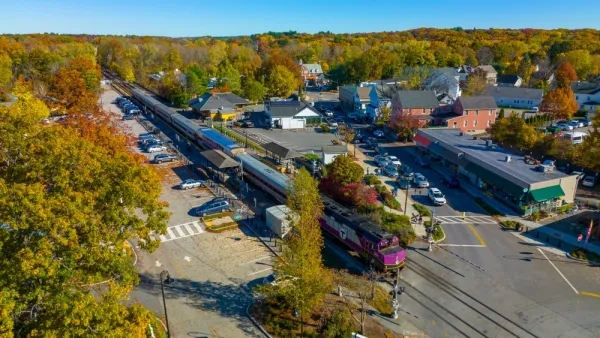
Massachusetts Zoning Reform Law Reaches First Deadline
Cities and towns had until January 31 to submit their draft plans for rezoning areas near transit stations to comply with a new state law.
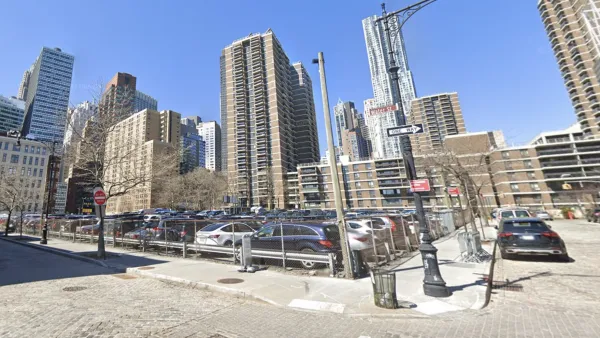
Manhattan Preservation Groups Block New Development—On a ‘Historic’ Parking Lot
A judge ruled against a decision by the Landmarks Preservation Commission to approve a 324-tower in the South Street Seaport Historic District, highlighting the tensions in a city facing a dearth of affordable housing.

Foot Traffic Ahead: Report Reveals the Resilience of Walkable Places
Reports of the city’s death have been greatly exaggerated, according to new research from Smart Growth America.

NYC Mayor Adams Proposes Ambitious Housing Agenda in State of the City Address
Housing is one of four “pillars” proposed by Mayor Eric Adams in his “Working People’s Agenda.”

How To Prevent ‘Green Gentrification’: Lessons from the BeltLine
For one author, the key is focusing on affordable housing from the start.

Push and Pull: The Link Between Walkability and Affordability
The increased demand for walkable urban spaces could make them more and more exclusionary if cities don’t pursue policies to limit displacement and boost affordability.
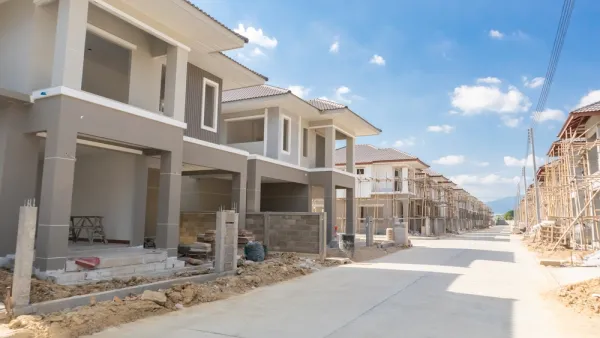
APA Announces New ‘Housing Supply Accelerator’ in Partnership with the National League of Cities
The American Planning Association and the National League of Cities have announced a new partnership to find and implement solutions to the national housing affordability crisis.
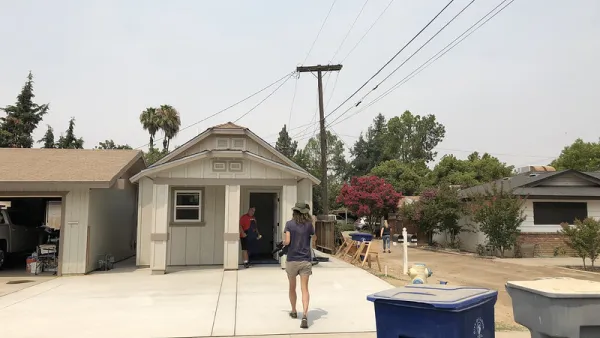
Pre-Approved ADUs Now Available in Sacramento
The city of Sacramento is making it easier to develop accessory dwelling units.
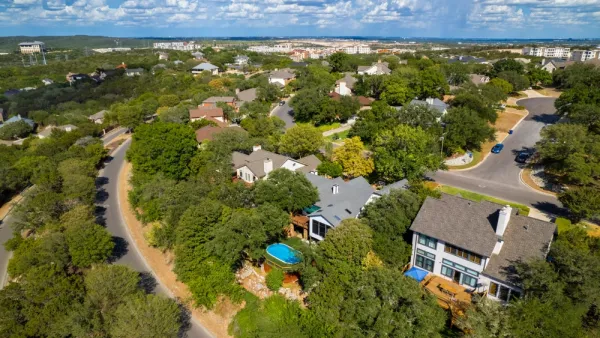
Houston Considering a ‘Sidewalk-In-Lieu-Fee’ for Residential Projects
Developers and homeowners might be able to opt-out of the Houston’s sidewalk ordinance under legislation under consideration by the Houston City Council this week.

San Francisco Plans for 82,000 New Housing Units
California housing regulators have granted preliminary approval for the city of San Francisco’s housing element as mandated by the state’s Regional Housing Needs Allocation process.

The Once-in-a-Generation Opportunity to Remake Downtown
Urban cores around the country were transforming into live, work, and play destinations before the pandemic. The pandemic was a setback for this transformation, but it could also be a rare opportunity. It’s up to city leadership to seize it.

Analysis: California’s Single-Family Zoning ‘Killer’ Barely Making a Dent So Far
Senate Bill 9, approved by the California State Legislature to much fanfare in 2021, has had little impact on the way local governments do development business, according to a recent analysis by researchers at the University of California.

Austin’s Changing Skyline
Multiple proposed skyscrapers are changing the shape of once low-slung downtown Austin, signaling the growth of the city as a technology and manufacturing hub.

Scottsdale Cuts Water Supply to Nearby Suburb
The city claims it has no responsibility to provide water to the unincorporated Maricopa County community.

Zoning Has Support for Sprawl: Subdivision, Covenants, and Mortgages
Zoning codes are not the only kind of land use control that has built the U.S. residential market on the suburban model for more than a century, according to a recent article in The Urbanist.

FREE Course: Walkable City 1: Why Walkability?
After describing his path towards focusing on walkability as the essence of good planning, Jeff Speck marches through his five principal reasons for making more walkable places.
Reinventing Malls: Planning Alchemy—Turning Gray Fields Into Gold
The course focuses on the opportunities and imperatives that shape reinvention of mall sites.

City of Rosemead
Rutgers University, Edward J. Bloustein School of Planning and Public Policy
One Hundred Miles
University of Michigan School for Environment and Sustainability (SEAS)
Hunter College, City University of New York (CUNY)
The Architects Foundation
City of Cambridge
Montrose County
The Pocatello Development Authority









