Urban Development
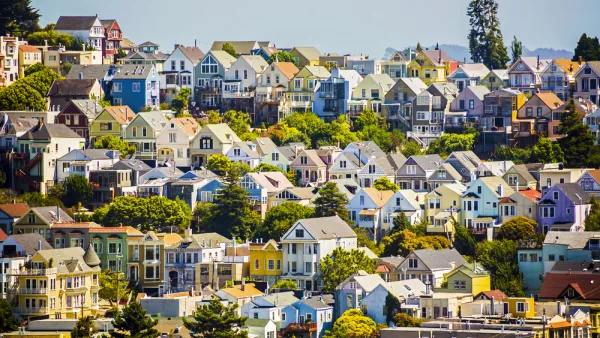
Density Bonuses Proposed to Spur Affordable Housing in San Francisco
Mayor Ed Lee this week proposed a density bonus policy that would help the city build approximately 16,000 new units of housing, including 5,000 affordable units along select transit corridors.
Can Reduced Parking Requirements Generate Too Much Development Competition?
A new argument has appeared in the ongoing debate about parking requirements. A university in a college town objected to reduced parking requirements on the grounds that it would make the city too attractive to developers.

The Dangers of Dumb Luck for Hurricane-Zone Transplants
The relative calm of the last decade may be luring hundreds of thousands of new coastal residents into a false sense of comfort.
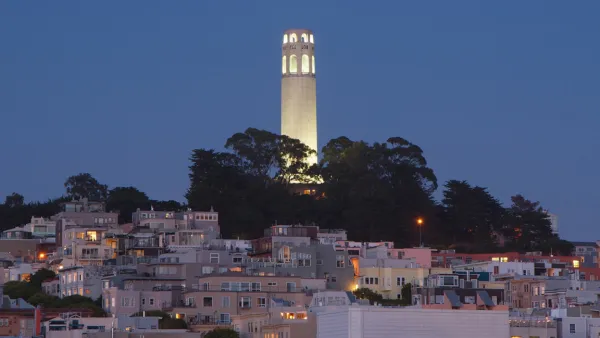
Beyond the Big One: Real Recovery in San Francisco
What does it mean to be a Chief Resilience Officer for one America's largest cities? Doggerel spoke to Patrick Otellini, Chief Resilient Officer for San Francisco, to find out what it takes to make a truly resilient city.
How Chinese Immigrants Are Urbanizing a Connecticut Suburb
Next City provides a case study in the urbanization of suburbs—in this case the result of a large influx of Chinese immigrants.
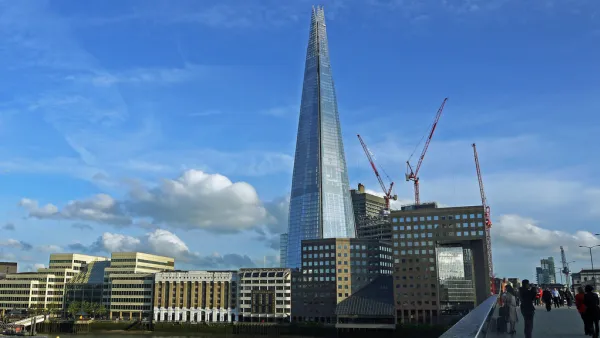
Skyscrapers as the Enemy of Cities
An op-ed in The Globe and Mail expresses animosity for the wave of skyscraper construction in old world cities like London.
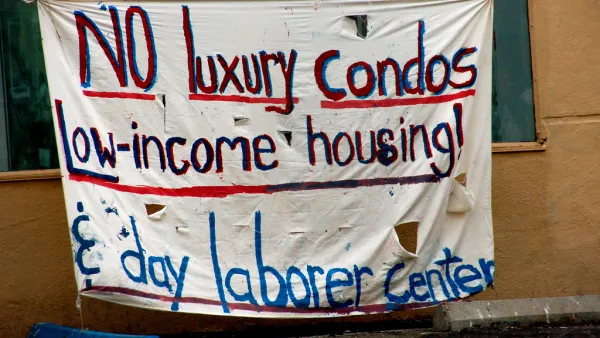
Report: There's a Right Way to Do Inclusionary Zoning
A new study from the Lincoln Institute of Land Policy makes the case for well-timed, thoughtful use of inclusionary zoning as a tool to support diverse, affordable communities.
Thoughts on the Dynamic Cities Sector
After spending more than a decade in government and real estate development, Brian Swett recently joined Arup in the role of Director of Cities and Sustainable Real Estate in the Americas. We asked for his thoughts on urban expansion and development.

South Baltimore Gateway Master Plan to Pave Way for Sports and Entertainment District
The Baltimore Planning Commission will soon consider the South Baltimore Gateway Master Plan, which lays out a 20-year agenda to support a wave of entertainment development coming to the neighborhood.

Attention Media: Neighborhoods Existed Before Gentrification
On the media's responsibility for narratives that enable displacement, rather than inclusion.
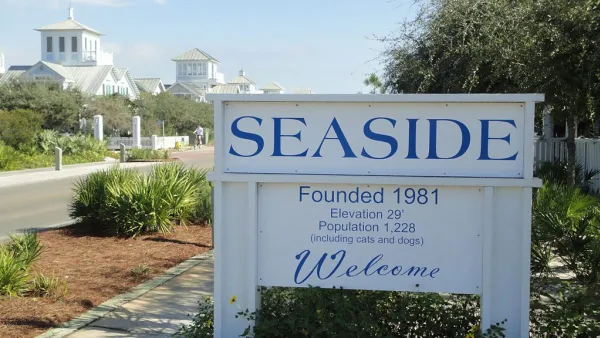
Thoughts on Seaside at 35
Seaside, Florida: what’s possible when vision, tradition, creativity, adaptation, and, yes, time converge in ways that allow for careful study and consideration.
The Outsized Benefits of Transforming Parking Lots to TOD
Chicago's sale of three city-owned parking lots demonstrates how selling underused land for the purposes of transit-oriented development can benefit people and government.

Op-Ed: Stop Attacking My Suburb!
A proud suburban resident defends her neighborhood from the criticisms of city-dwellers. It's not walkable, it's not perfect, but it's home.
Editorial Calls for the Gentrification of East New York
Unsurprisingly, an editorial titled "Gentrify East New York" provoked a strong response from the public.
A Positive Fiscal and Land Use Analysis for St. Louis Riverfront Stadium Plans
A group of business students completed an analysis finding reasons to support a proposal to build an NFL stadium on the riverfront in St. Louis.
Debate: When Should California Switch to VMT to Measure Development Impacts?
In an effort to shift from car-centric planning and incentivize eco-friendly transportation options, California is revising the way it measures traffic impacts of development projects under its Environmental Quality Act.
Poverty Less Rural Than 50 Years Ago
It used to be that the nation's rural areas suffered from the highest poverty rates. Today, nearly half of the American poor live in mid-sized counties.
Surveying the Academic Findings about Gentrification and Displacement
Gentrification is neither a quick nor an easy study—as many Planetizen readers know. But what has been discovered thus far, and what obstacles to more understanding need to be overcome?
Cities Honored for Smart Growth
The U.S. Environmental Protection Agency's 13th annual Smart Growth Achievement Awards recognize communities that lead the way in compact, walkable growth.
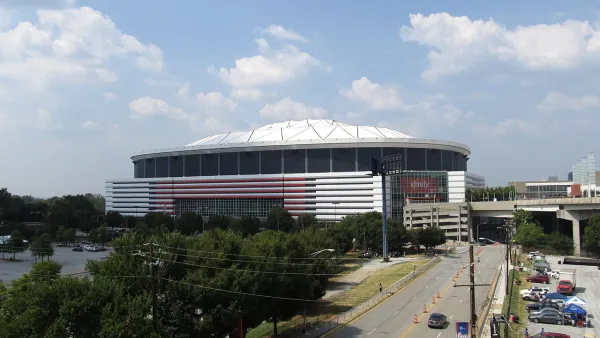
When Publicly Funded Stadiums Gut Neighborhoods
In Atlanta—and throughout the country—city politicians have proven willing and eager to support stadium construction. But though these facilities are marketed as economic drivers, they often cause steep declines instead.

FREE Course: Walkable City 1: Why Walkability?
After describing his path towards focusing on walkability as the essence of good planning, Jeff Speck marches through his five principal reasons for making more walkable places.
Reinventing Malls: Planning Alchemy—Turning Gray Fields Into Gold
The course focuses on the opportunities and imperatives that shape reinvention of mall sites.

City of Rosemead
Rutgers University, Edward J. Bloustein School of Planning and Public Policy
One Hundred Miles
University of Michigan School for Environment and Sustainability (SEAS)
Hunter College, City University of New York (CUNY)
The Architects Foundation
City of Cambridge
Montrose County
The Pocatello Development Authority









