Urban Development
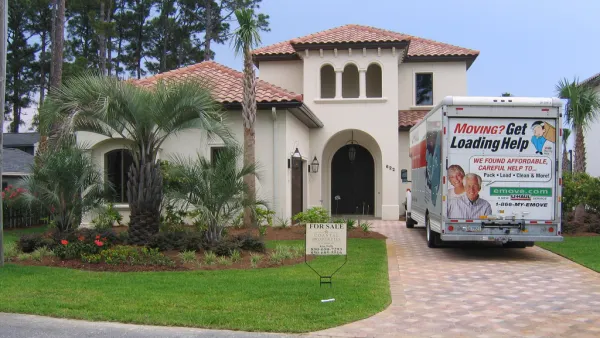
Millennials Leaving Their Mark on Suburbia
How will millennial homebuyers change suburbia, or will they? Realtors observe that millennials relocating from the city look for parts of their urban lifestyle, e.g., walkable neighborhoods, yet they also have traditional suburban tastes.

Umberto Eco, Planning Education, and Urban Space
The great Italian scholar and novelist's death likely has little meaning for practicing planners, but his literary method might have lasting relevance for planning education and the design of urban space.
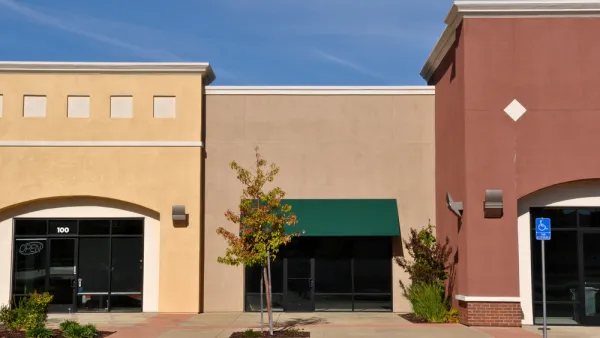
The Changing Nature of Retail: The Impact of Online Shopping on Cities
As consumers increasingly buy online, technology is changing the shape of our cities, reducing demand for retail space, increasing freight congestion, and leaving parking lots empty.
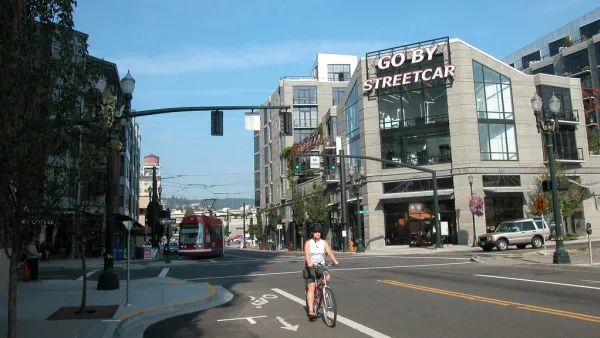
Tech Sector Makes Inroads in Portland
Low prices and a less frenetic working environment are drawing tech employees to Portland, Oregon. Gentrification may loom, but along with it may come expanded economic opportunities for the city and state.
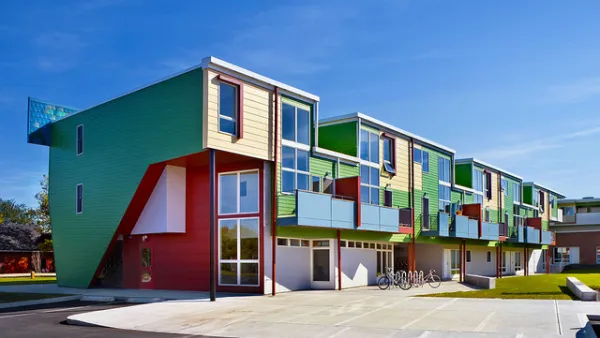
A New Design Guide for Affordable Housing Developments
New affordable housing is only one step toward creating livable communities—a quality mix of uses on the ground floor, designed to integrate with the street and public spaces is also vital.
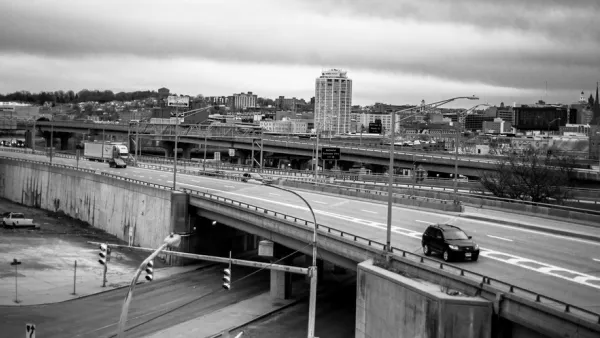
America's Infrastructural Reckoning
Through the lens of Henry Petroski's new book, Tom Vanderbilt discusses why infrastructure, as we have come to define it, is such a fraught topic in American life.
Details of Chicago's Vista Tower—Soon to Be the Tallest Building Designed by a Woman
The Vista Tower is expected for completion in 2020, when it will become the world's tallest tower designed by a woman.

The Colliding Legacies of Olmsted and Obama
Architects will soon be hired to design Obama's presidential library in Chicago. It may turn out to be a beautiful building, but will it be worth all that is lost in the process?
Louisville Conservation Subdivision Proposal Hits a Snag
A development controversy in Louisville centers on the definition of a conservation subdivision and an environmental threat in the form of an insect known as the emerald ash borer.
Competing Land Use Initiatives on the November Ballot in Los Angeles
Move over "Neighborhood Integrity Initiative." The "Build Better LA" initiative will compete for the soul of the city in the November election.
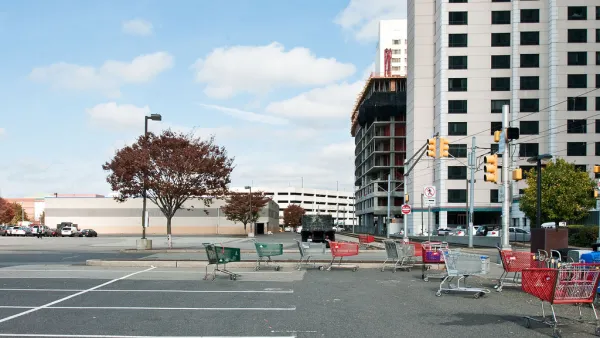
Making the Case for Mixed-Use, Walkable Development: #BuildHereNow
A new social media-fueled engagement effort is shedding light on the policies that make it hard to build walkable, mixed-use infill in communities around the country.
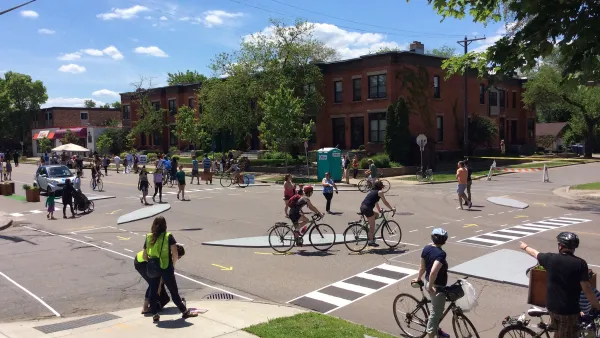
DIY Urbanism and Top-Down Planning
Though projects tend to be hyper-local and temporary, Do It Yourself, Tactical, or Guerrilla Urbanism is an endorsement of the top-down planning model, rather than a repudiation.
A Failing Anchor Sinks All Mall Businesses
The big anchor businesses of malls are bleeding business and closing stores, dragging the rest of the mall business down with them.
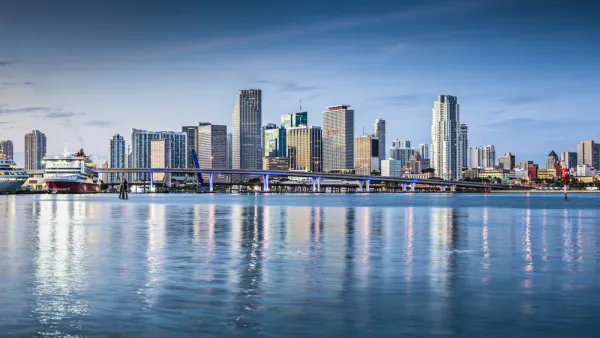
Miami's Looming Climate Change Disaster
Many experts believe that a property crash, as a result of Hurricanes or sea level rise, on the coast of South Florida is inevitable. But that hasn't deterred the suppliers or the consumers in the Miami real estate market.
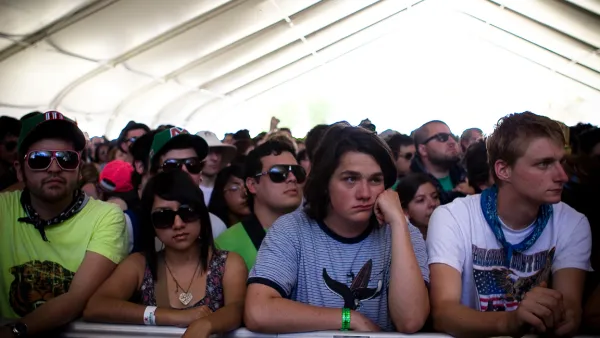
'Peak Millennial' Has Passed: What Comes Next for Cities and Suburbs?
The largest cohort of Millennials (those born in 1990) recently turned 25, leaving only smaller waves of their generational peers to follow. Are economic and generational trends primed for another, suburban shift?
Loan Program Provides Gentrification Defense Near Chicago's 606 Bike Trail
That beautiful new bike lane, known as the 606, in Chicago has brought along with it local concerns about gentrification. The city and a local non-profit have teamed up to create a loan program to help current residents stay ahead of the curve.
Brooklyn's Tallest Proposed Building Has Date With Landmarks Preservation Commission
Perhaps the most remarkable aspect of the 1,066-foot building is what distinguishes it from other high rises of its size across the East River—it will be residential.
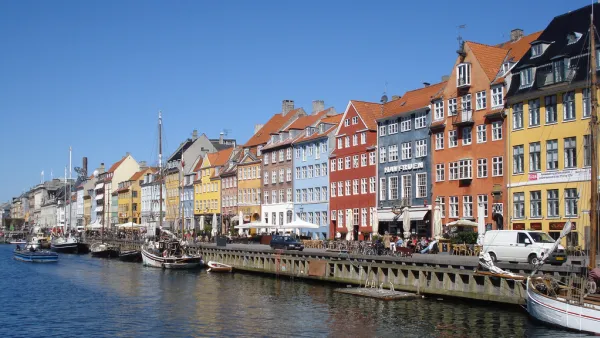
Compromise and an Engaged Public: Lessons From Copenhagen
Copenhagen is often cited as the world’s most livable city—a city characterized by bicycles and shared open spaces. But the road to get there has required compromise among politicians and an active and engaged community.
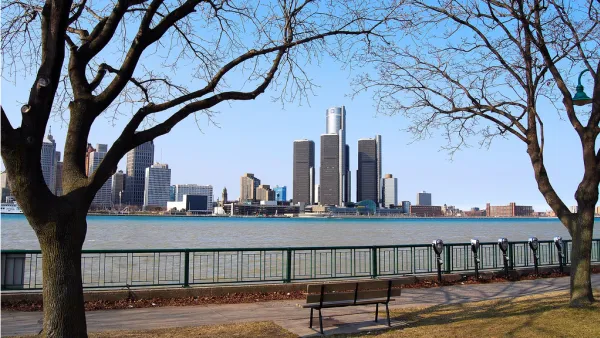
The Portrayal of Detroit Through 'Ruin Porn' Fails To Tell The Full Story
Do the stylized pictures of crumbling edifices and the recent incorporation of a vacant home in an art show do a disservice to the residents—mostly poor and black—who still call Detroit home?
Sunday Service: New York Considers Church Parking Lots for Affordable Housing
The de Blasio Administration is getting creative in looking for sites to develop affordable housing. One potential idea: church parking lots.

FREE Course: Walkable City 1: Why Walkability?
After describing his path towards focusing on walkability as the essence of good planning, Jeff Speck marches through his five principal reasons for making more walkable places.
Reinventing Malls: Planning Alchemy—Turning Gray Fields Into Gold
The course focuses on the opportunities and imperatives that shape reinvention of mall sites.

Eagle County Government
Harvard University Graduate School of Design
Nashville Planning Department
The Architects Foundation
University of Cincinnati Online
The Pocatello Development Authority
The Urban Renewal Agency of the City of Pocatello
Journal of the American Planning Association