Urban Development
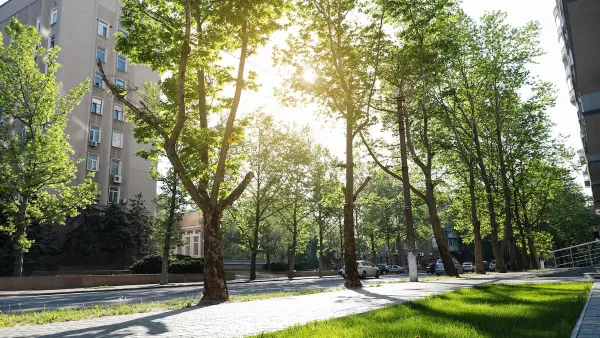
Mapping a Greener Future: Cal Poly Tackles Urban Canopy Challenges
Cal Poly, in partnership with Cal Fire, is leading the development of California’s new Strategic Plan for Urban Forestry, combining advanced data tools and interdisciplinary collaboration to expand tree canopy cover.
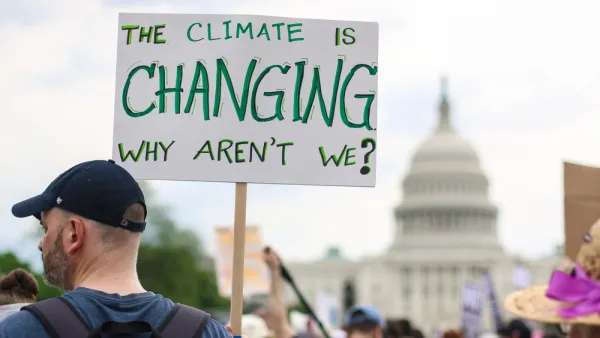
USDOT Releases Climate Strategies Playbook
The USDOT's new Climate Strategies that Work Playbook provides detailed information concerning benefits and implementation requirements for 27 transportation-related emission reduction strategies.
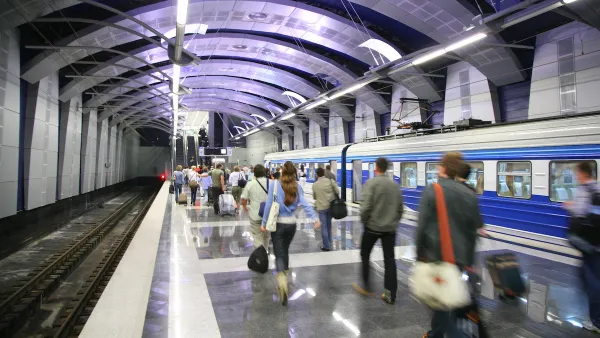
Freedom to Move: Investing in Transportation Choices for a Clean, Prosperous, and Just Future
This Union of Concerned Scientists study examines why and how to improve resource-efficient travel options to achieve diverse goals. It estimates that more efficient transport could save up to $201 billion in energy and $128 billion in health costs.
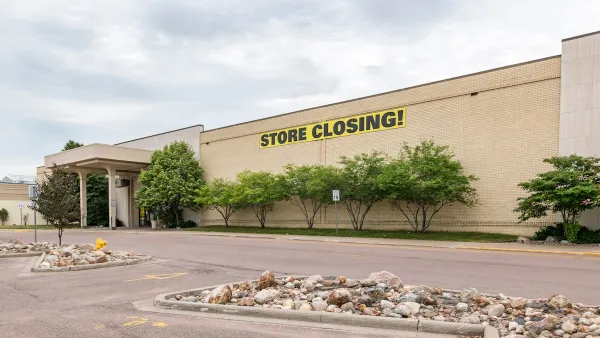
Shifts in Shopping: Transforming Malls Into Parks
Maybe zombie malls still have a second life — one with a little greenery.
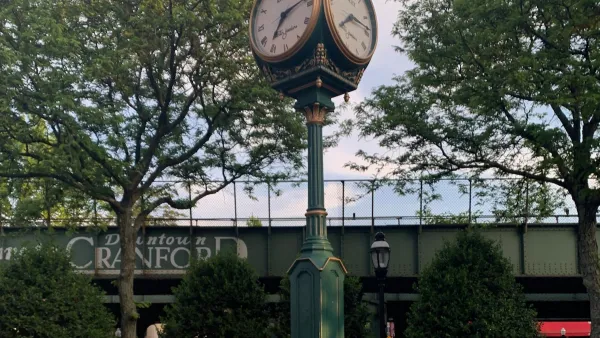
The Story of Eastman Clock Plaza in Downtown Cranford
How a small plaza in Cranford, New Jersey became a community beacon.
Major US Cities Still Suffering Downtown Decline
Research shows that the “donut effect” hollowing out central business districts since the pandemic continues to cause economic decline in the 12 largest American cities.
Office Conversion Sees No Sign of Slowing
The adaptive reuse of office buildings for residential and other uses will grow by as much as 63 percent in 2024 over last year.
November Must-Reads: Top 10 Articles From Last Month
The future of planning in the second Trump administration, housing policy, and highway removal — here are Planetizen’s most popular headlines from November 2024.

Milwaukee Interstate Removal Would Create Space for Thousands of New Housing Units
A proposal to replace the elevated Interstate 794 with a boulevard could create over a billion dollars in new development along the corridor.
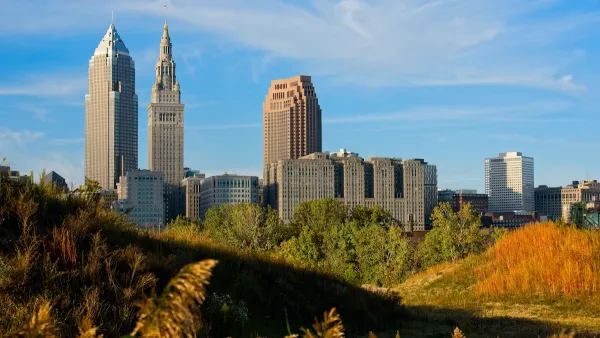
Ohio Invests $58 Million to Revitalize Brownfields and Boost Local Economies
This investment in brownfield remediation will clean up hazardous sites, foster economic development, and create jobs through 61 new projects across 33 counties.
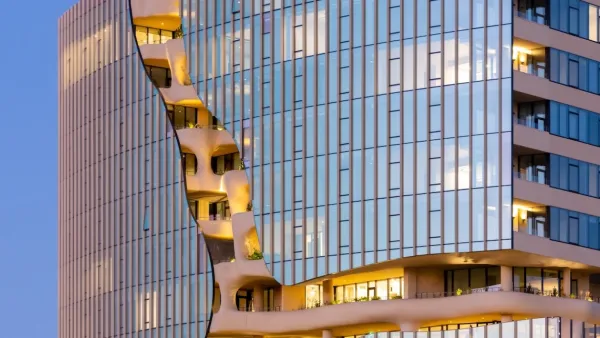
Denver's New High-Rise Integrates Vertical Canyon in Architectural Design
Unlike other new builds in Denver, Colorado, a new high-rise reveals a unique “sculptural canyon” running vertically through the facade to foster a sense of community and connection to nature.
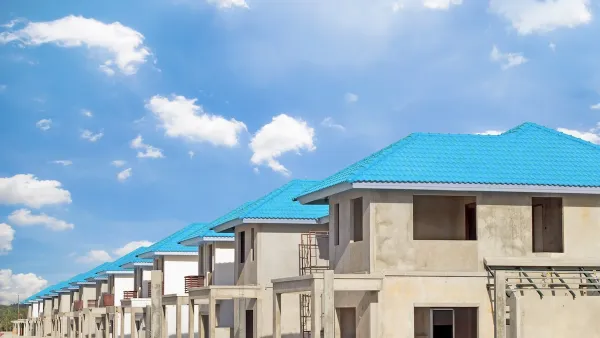
Opinion: “New Towns” Are the Answer to Affordable Housing Challenges
How thoughtful design can create more walkable, livable communities.
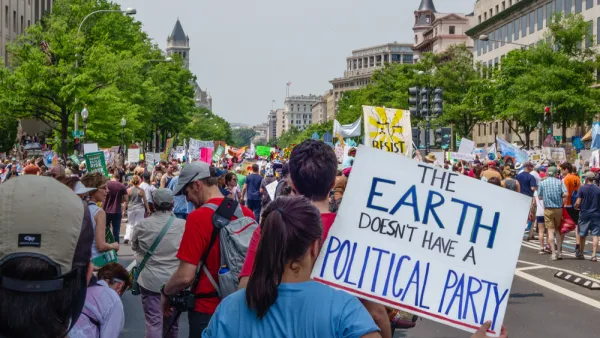
Preparing for Climate Migration
Billions of people will have to relocate in the next decades. Are governments prepared?

How Cities Can Leverage Financial Data for Smarter Urban Planning
Explore how cities can use financial data to enhance urban planning, improve budget allocation, and boost community services.
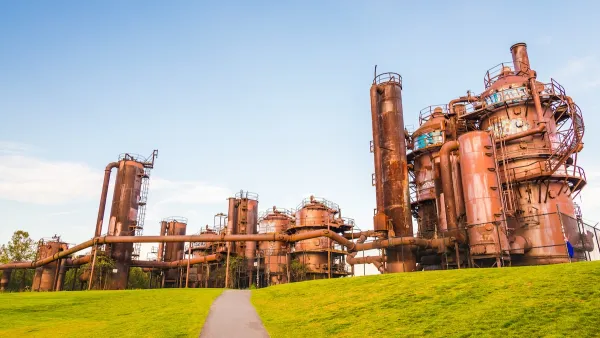
Revitalizing Cities Through Soil Health, Green Spaces, and Nature-Based Remediation
Investing in soil health, urban parks, and nature-based solutions for brownfield remediation is essential for creating resilient cities, restoring ecosystems, and improving community well-being.
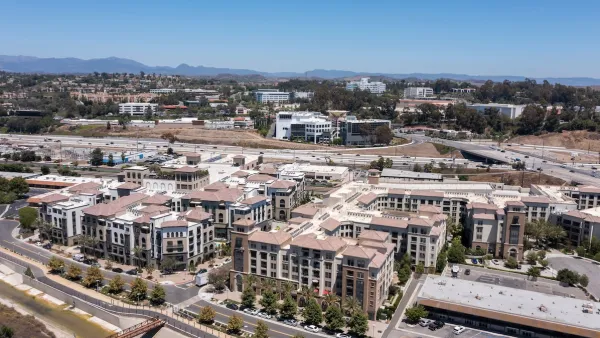
Balancing TOD and Public Health
Building housing near transportation networks can improve density and walkability, but can also have serious health consequences for residents.
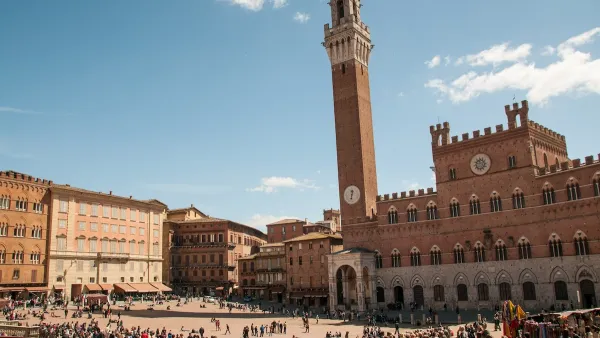
Commentary: A World Planning Congress That Was Out of This World
This year’s gathering was full of promise, hope — and tension.
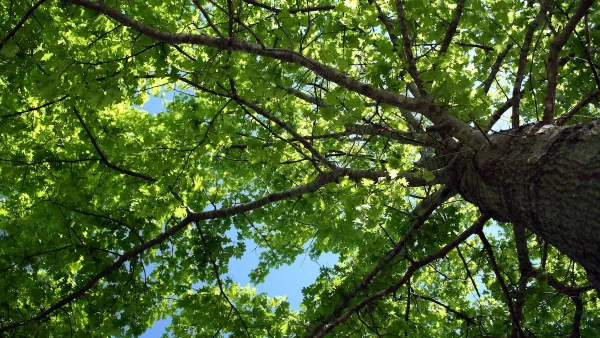
Improving South Los Angeles Through Strategic Tree Planting
The University of Southern California Urban Trees Initiative is planting 250 trees in South L.A. neighborhoods to improve shade, combat climate change, and enhance community well-being through collaboration and data-driven approaches.
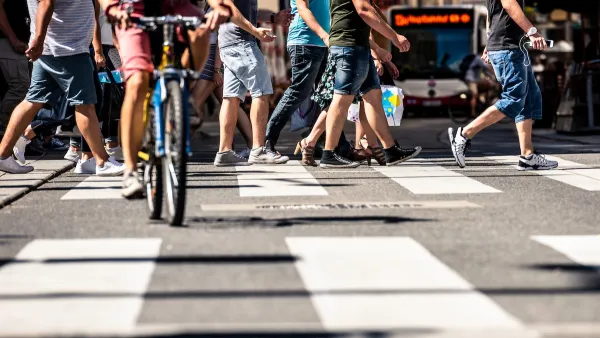
Planning for True Transportation Affordability: Beyond Common Misconceptions
Transportation affordability is important but often misunderstood, resulting in misguided solutions. New research helps identify ways to provide true affordability for economic freedom, opportunity and happiness.
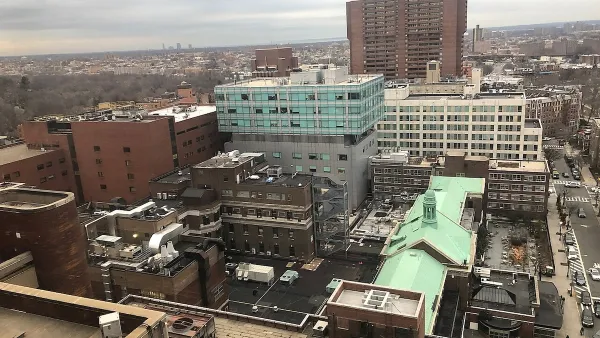
In the Bronx, Planning a More Vibrant Future for a Hospital Campus – and its Community
How an integrated approach to redevelopment is transforming a formerly isolated medical campus into a valuable community amenity.

FREE Course: Walkable City 1: Why Walkability?
After describing his path towards focusing on walkability as the essence of good planning, Jeff Speck marches through his five principal reasons for making more walkable places.
Reinventing Malls: Planning Alchemy—Turning Gray Fields Into Gold
The course focuses on the opportunities and imperatives that shape reinvention of mall sites.

City of Rosemead
Rutgers University, Edward J. Bloustein School of Planning and Public Policy
One Hundred Miles
University of Michigan School for Environment and Sustainability (SEAS)
Hunter College, City University of New York (CUNY)
The Architects Foundation
City of Cambridge
Montrose County
The Pocatello Development Authority









