Urban Development
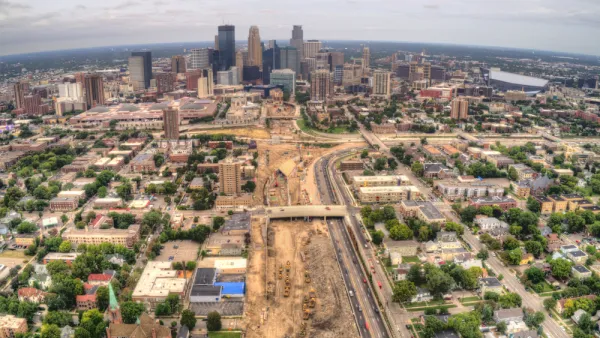
Zoning Reforms Underwhelm in Minneapolis as Development Market Holds Course
As one of the first city's to comprehensively allow for residential density, Minneapolis was probably hoping for more than what it's achieved so far.
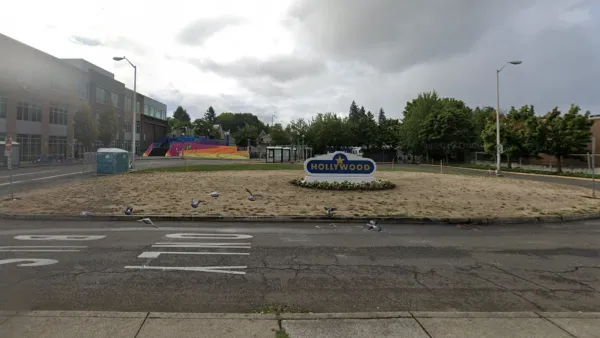
Portland Transit Station to Get Multi-Modal Mixed-Use Overhaul
The regional transit agency for Portland, Oregon is working on a development plan that would drastically multiple the planning considerations at a local transit station.
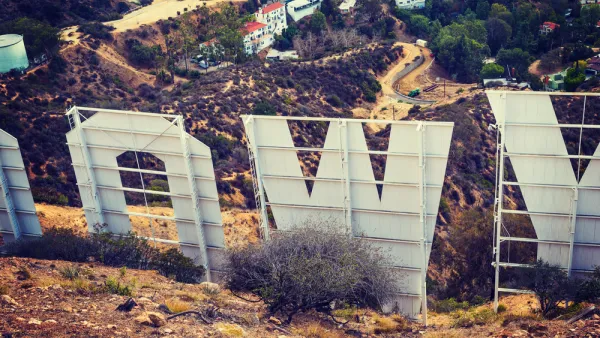
Another Defeat for Statewide Zoning Reform in California
Another year, another defeat for sweeping changes to the status quo of single-family zoning in the state of California. SB 1120 would have allowed duplexes in areas previously zoned for detached single family zoning.
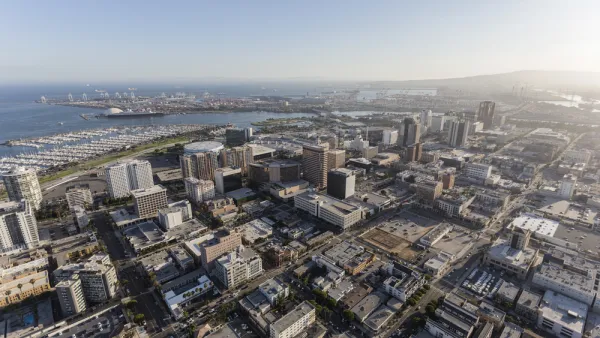
Micro-Units Considered as Affordable Housing Option
Long Beach, California is the latest city to consider small residential units, 350 square feet and smaller, as one way to combat the rising cost of housing.
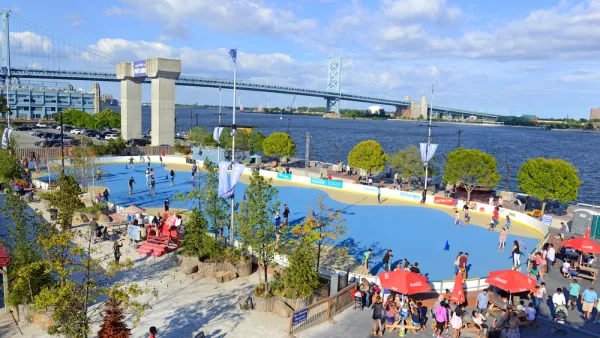
A Development Bonanza in Philadelphia
The Philadelphia 76ers are one of the real estate interests with designs on remaking the Penn's Landing site on the Delaware River in Philadelphia. But the team's vision for the waterfront reaches far beyond a single parcel.
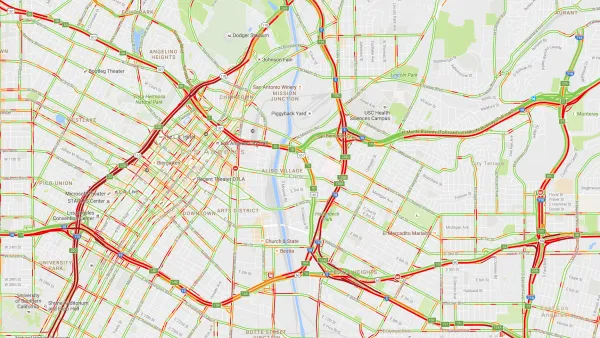
The Outdated Models That Continue to Guide Transportation Planning
Transportation demand models offer predictions that are used to make important decisions, but their accuracy is questionable. The real issue, however, might be about the goals of planning and how urban life and livability are quantified.
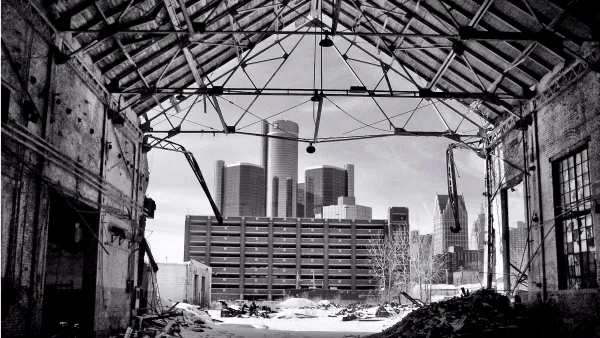
'The City' Documents Formative Planning Advocacy on Film
Streaming on YouTube, the 1939 film "The City" is a powerful cinematic account of advocating for planned communities.

Wildfire Smoke Affecting Communities Across the Country
Wildfires in California and Colorado are spewing out smoke that is traveling to other parts of the country. The health effects of the dirty air are substantial, and they could last long after the fires are out.
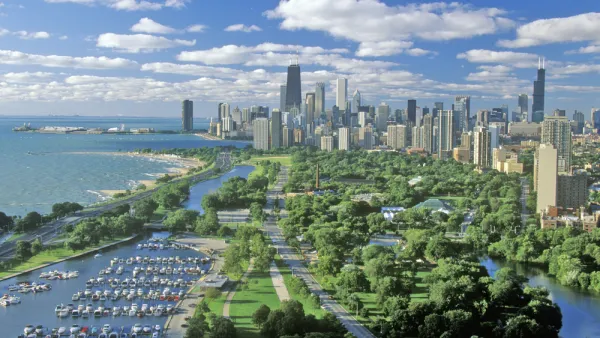
Addressing Equity by Strategically Planting Millions of Trees
As part of the Trillion Trees Initiative, cities across the country are pledging to plant trees and restore urban forests to fight climate change and cool off disadvantaged communities.
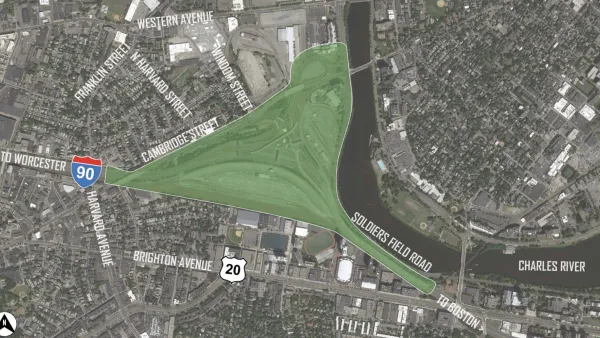
Imagining Alternatives to an Enlarged I-90 Viaduct in Boston
Massachusetts Department of Transportation plans to heighten and widen the Allston section of I-90 viaduct do not align with the community's desire for an environmentally friendly and pedestrian- and cycling-oriented new solution.
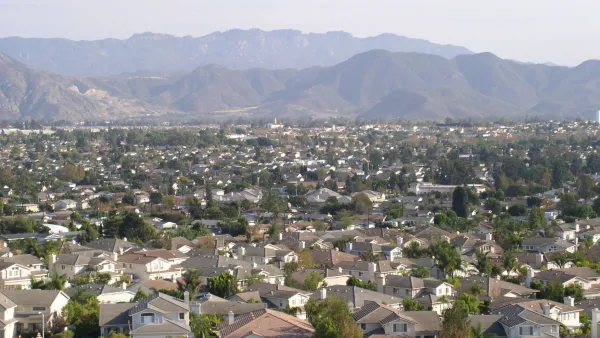
California Unions Voice Strong Opposition to Housing Bills
Trades groups demanded provisions in housing bills that ultimately will stymie the construction of much-needed affordable housing in the state.
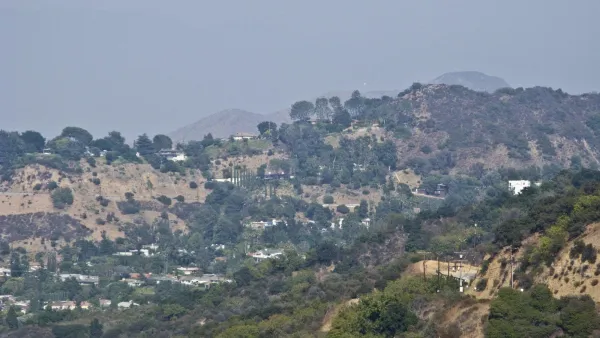
How Urban Form Created Classic Rock
A great many factors converged to create the culture and music of the 1960s. A powerful, but often overlooked, factor was the Los Angeles neighborhood of Laurel Canyon. A new documentary provides a case study in urban creativity.
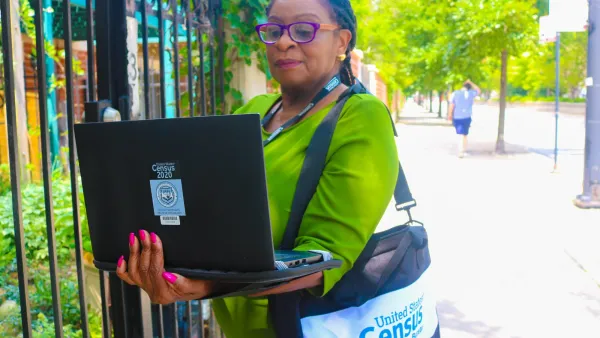
Census Undercount Will Have Long-Lasting Repercussions
An undercount is likely this year, particularly in communities that are traditionally underrepresented. As a result, cities will not have access to crucial federal funds over the next decade.
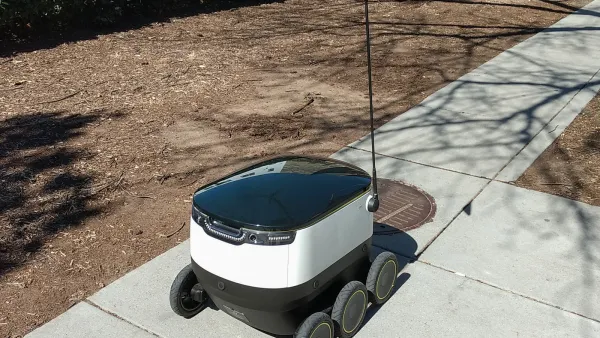
Are Delivery Robots on Their Way to a Neighborhood Near You?
Amazon and FedEx are developing bots that would travel on city streets and sidewalks. The companies are also working behind the scenes on legislative efforts that would help them deploy the technology in the future.
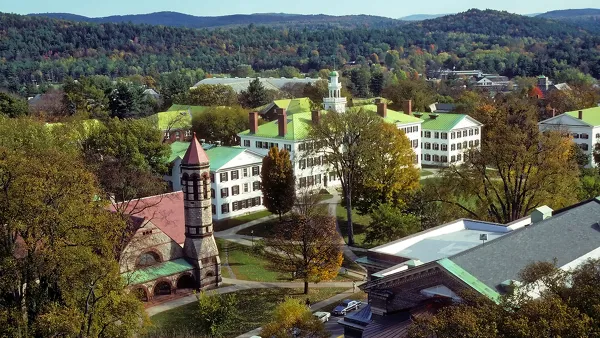
College Campuses Offer Opportunity to Demonstrate COVID Containment Strategies
As college students return for the fall semester, college towns are rightfully concerned about an influx of COVID cases, yet self-contained campuses have the potential to succeed where local and state governments may have failed.

Critics Say Boston Tree Removal Plan Reflects Environmental Racism
A road project in Boston involves removing hundreds of mature trees. Residents say the plan is an environmental justice issue.

For Success, Smart Cities Need Stakeholder Engagement
Smart cities technologies are not going to lead to the right outcomes unless end users are recognized as integral players in the planning process.
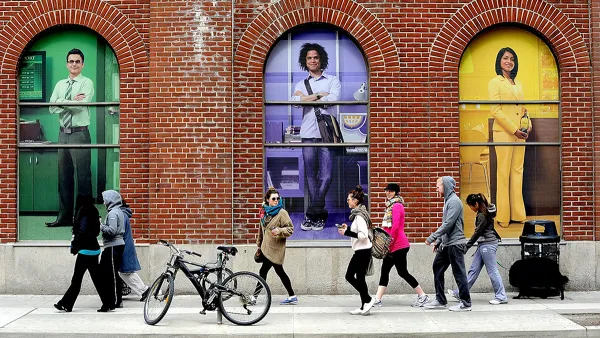
Professional Planners Anticipate Post-Pandemic Active Commuting
Many planners say they want to try out active commutes when in-office work becomes possible. How will a fresh look at their local streets influence planning professionals and planning practice?
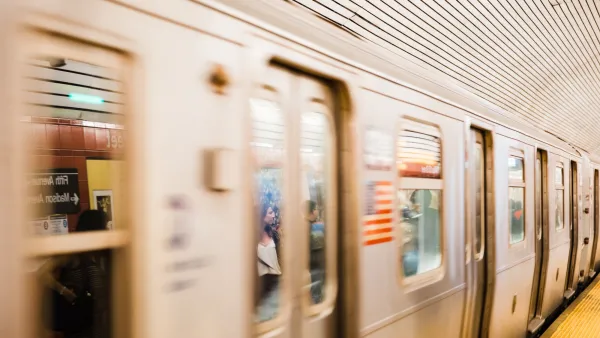
Destroyed Subway Car Windows Contribute to MTA Budget Deficit
As the Metropolitan Transportation Authority grapples with a $16 billion deficit, smashed train windows are adding to the cost.
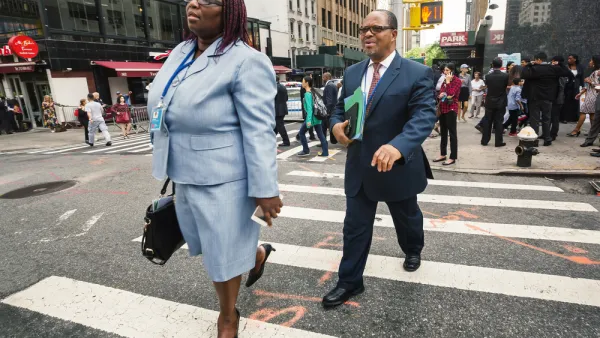
How to Produce Equitable Pedestrian Plans
The majority of pedestrian master plans consider how to make equitable walking infrastructure. Less than half of plans implement strategies to address the fact that people of color are disproportionately represented in pedestrian fatalities.

FREE Course: Walkable City 1: Why Walkability?
After describing his path towards focusing on walkability as the essence of good planning, Jeff Speck marches through his five principal reasons for making more walkable places.
Reinventing Malls: Planning Alchemy—Turning Gray Fields Into Gold
The course focuses on the opportunities and imperatives that shape reinvention of mall sites.

City of Rosemead
Rutgers University, Edward J. Bloustein School of Planning and Public Policy
One Hundred Miles
University of Michigan School for Environment and Sustainability (SEAS)
Hunter College, City University of New York (CUNY)
The Architects Foundation
City of Cambridge
Montrose County
The Pocatello Development Authority









