Urban Development
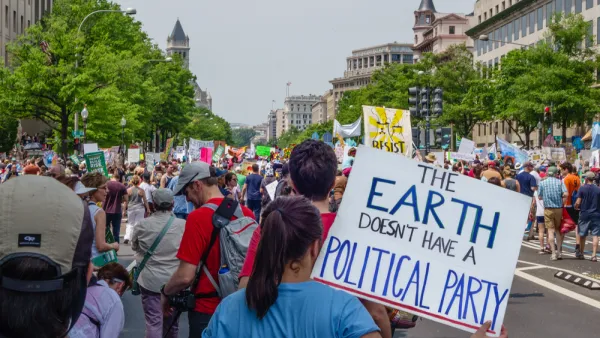
Preparing for Climate Migration
Billions of people will have to relocate in the next decades. Are governments prepared?

How Cities Can Leverage Financial Data for Smarter Urban Planning
Explore how cities can use financial data to enhance urban planning, improve budget allocation, and boost community services.
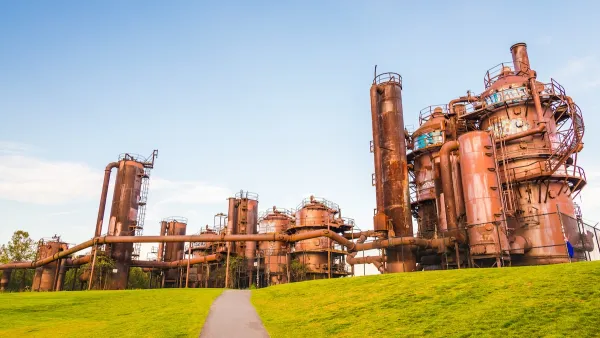
Revitalizing Cities Through Soil Health, Green Spaces, and Nature-Based Remediation
Investing in soil health, urban parks, and nature-based solutions for brownfield remediation is essential for creating resilient cities, restoring ecosystems, and improving community well-being.
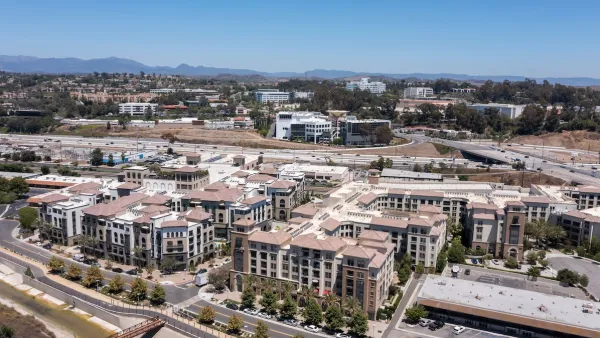
Balancing TOD and Public Health
Building housing near transportation networks can improve density and walkability, but can also have serious health consequences for residents.
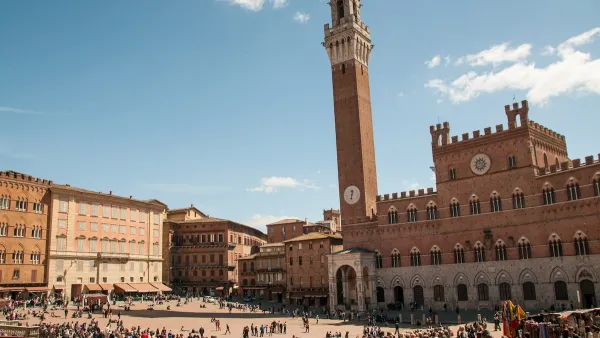
Commentary: A World Planning Congress That Was Out of This World
This year’s gathering was full of promise, hope — and tension.

Improving South Los Angeles Through Strategic Tree Planting
The University of Southern California Urban Trees Initiative is planting 250 trees in South L.A. neighborhoods to improve shade, combat climate change, and enhance community well-being through collaboration and data-driven approaches.
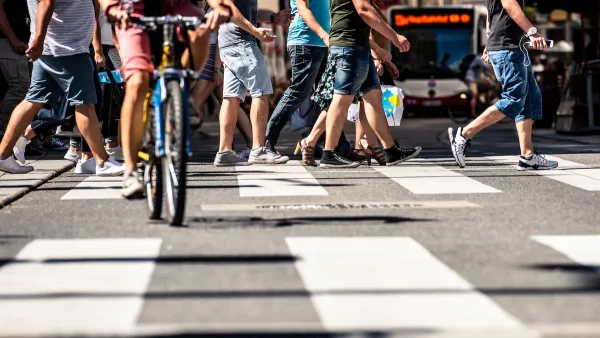
Planning for True Transportation Affordability: Beyond Common Misconceptions
Transportation affordability is important but often misunderstood, resulting in misguided solutions. New research helps identify ways to provide true affordability for economic freedom, opportunity and happiness.
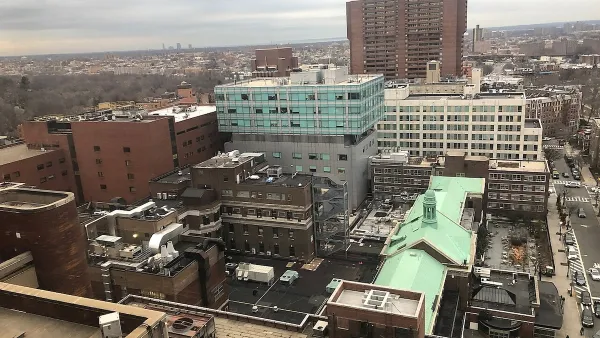
In the Bronx, Planning a More Vibrant Future for a Hospital Campus – and its Community
How an integrated approach to redevelopment is transforming a formerly isolated medical campus into a valuable community amenity.

Lessons in Child-Friendly Cities From Europe
How parklets, open streets, and green spaces make cities safer and friendlier for children and families.
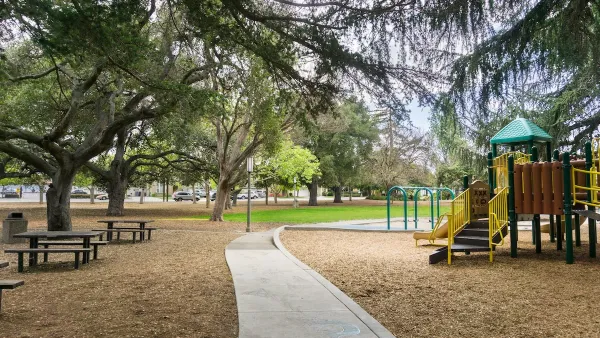
Ensuring the Long-Term Care of Parks for Equity and Sustainability
Securing the care and maintenance of parks in the long-term requires sustained funding, equitable resource allocation, and political leadership and will.
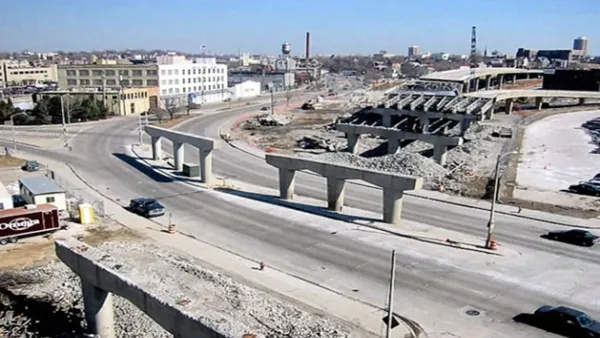
Bridging Divides: The Crucial Role of Collaboration in Highway Removal
Highway removal is most successful when agencies at all levels of government work closely with each other and the impacted community.
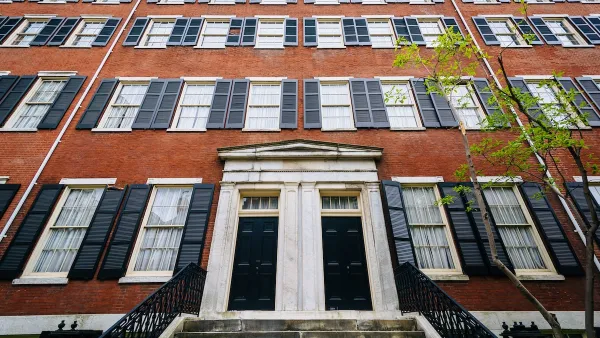
Philly Residents Push Back on New Historic Preservation District
Some residents of Philadelphia’s newly designated Washington Square West Historic District say the community was left out of the decision-making process that could impact housing costs and building requirements.

Opinion: Why Linking Driving to GDP Misses the Point
The argument that car-centric development is good because it boosts national GDP ignores the massive costs of driving to everyday Americans.
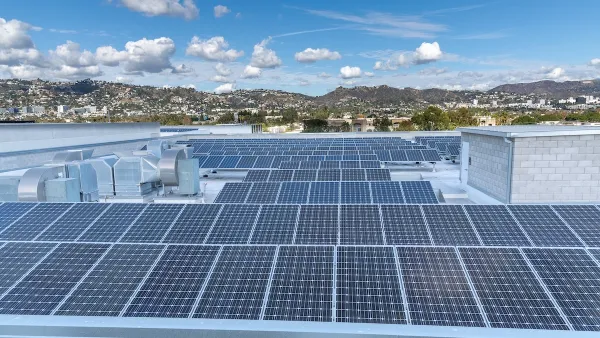
How Los Angeles County is Advancing Sustainability
A recently released report by the Chief Sustainability Office (CSO) shows that L.A. County is making progress on meeting the goals of the OurCounty Sustainability Plan.

Megalopolis: An Urban Planner’s Review
The sprawling film offers a bleak vision of city-building that minimizes the impacts of top-down development on everyday citizens.
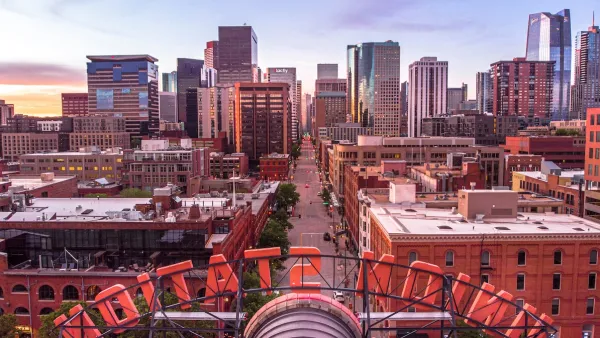
Denver Voters Approve Downtown Revitalization Bonds
The city wants to bring new projects and residents to the downtown core, where 13 million feet of vacant office and retail space await new tenants.
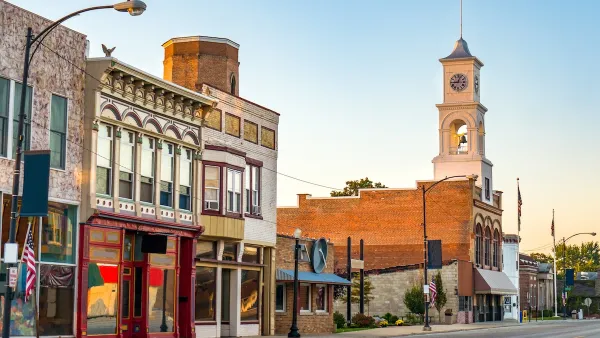
Progressive Planning in Ideologically Conservative Communities
Planners must work in diverse political environments including conservative jurisdictions that are skeptical of new issues and perspectives. Here are ways to reconcile conflicting goals.
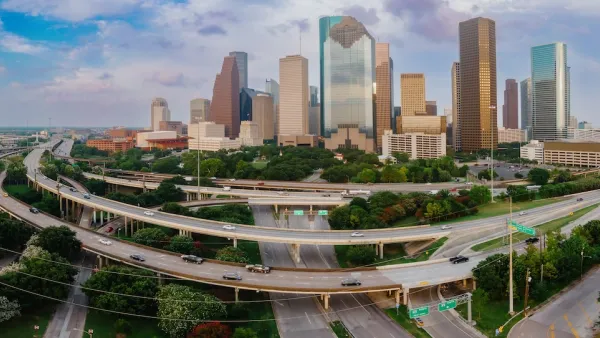
Interactive Map Highlights Freeway-Related Displacement in Houston
A new map illustrates the neighborhoods and buildings that were razed to make way for freeways and estimates the number of people displaced by roadways.
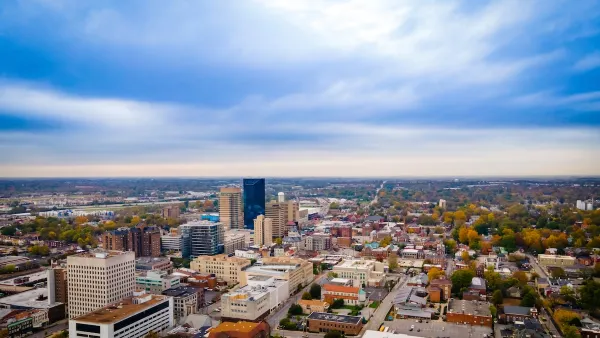
Lexington, Kentucky Passes Urban Growth Plan
The city’s new master plan sets out requirements for mixed-use development.

‘Biggest Little City’ Makes Room for Growth
The mayor of Reno has pushed for reforming housing regulations to support more affordable development.

FREE Course: Walkable City 1: Why Walkability?
After describing his path towards focusing on walkability as the essence of good planning, Jeff Speck marches through his five principal reasons for making more walkable places.
Reinventing Malls: Planning Alchemy—Turning Gray Fields Into Gold
The course focuses on the opportunities and imperatives that shape reinvention of mall sites.

Greater Baltimore Committee
Eagle County Government
Harvard University Graduate School of Design
The Architects Foundation
University of Cincinnati Online
The Pocatello Development Authority
The Urban Renewal Agency of the City of Pocatello
Journal of the American Planning Association