Transportation
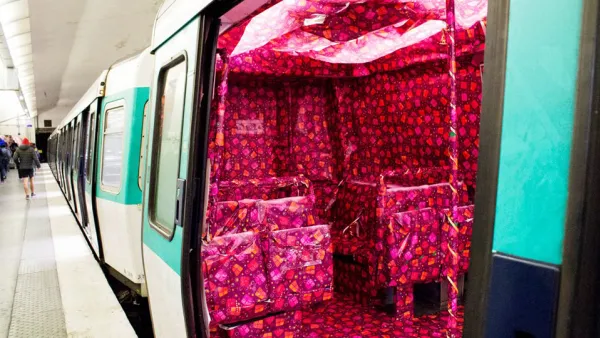
Two Examinations of the Transit-User Experience
A pair of recent articles examine what it’s like to use public transit every day, year after year. One examines the mechanics of on-time delivery and service—the other, the unwritten rules of ridership.
Port of Albany is a Major Destination for North Dakota Oil
Crude-by-rail from the Bakken shale formation has transformed the sleepy Port of Albany, NY into a major supplier of cheaper crude for East Coast refineries. Jad Mouawad writes two articles on the importance of the port and the dangers from the oil.
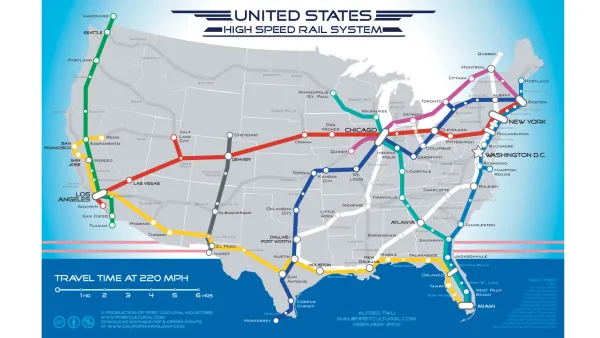
High Speed Locomotive Contract for Five States Awarded to Siemans AG
A $226 million contract to build 32 higher speed diesel locomotives, capable of reaching 125 mph, was awarded to the team of the German conglomerate, Siemens AG and Indiana-based engine maker Cummins, Inc over Peoria, Ill. based Caterpillar, Inc.
Oil and Water: Connected Cars and Privacy
Jeremy Cato pens an editorial on the dark side of connected cars—the data necessary to track and integrate so many card will allow unprecedented invasions of privacy.
States Reinvest in Once-Abandoned Freight Lines
Take 260 trucks off the road for every train, avoid costs for maintaining highways maintenance cost, and create multiple other environmental and economic development advantages—states are reinvesting in their rail lines.
Post Peak Driving, America Needs a Road (Construction) Diet
Though it may be too soon to say for sure, it looks like the United States has reached peak driving. So shouldn’t we cut back on new road construction?
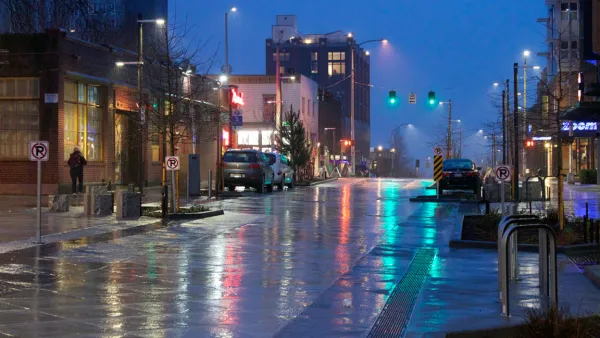
Seattle's Bell Street Park Is a Pedestrian Friendly Dream
The newly opened Bell Street Park in Seattle offers the kind of "social friction" Leigh Gallagher called for in Friday's NYT with "planters, perches ... and the simplest but most innovative feature of all, a level plane between sidewalk and street."
New Transit Plan in Juneau, Alaska—TOD to Follow
The Planning Commission of the Alaskan capital city recently approved a transit plan that expands service and increases pedestrian access. As next steps, city leaders are talking about providing incentives for development along the transit routes.
How Would the Movie Speed Look in Today's Los Angeles?
Twenty years after the movie Speed, which took place on the Big Blue Bus, Metro rail system, and other transit facilities, Keanu Reeves and crew might not recognize L.A.'s current transit system. L.A. County planner Clement Lau surveys the changes.
From Google Buses to Google Youth Muni Passes
Turns out all those protests against the ubiquitous Google (and other tech) luxury buses that often crowd out S.F. Muni (public) buses have contributed to a show of good will to public transit in the form of a $6.8 million gift to fund youth passes.
Taxis v. Uber: A Regulatory Update
Are rideshare companies like Uber here to stay? The answer likely hinges on a series of legal battles taking place nationwide.
How the Ashland BRT Would Change Chicago
The proposed Ashland Bus Rapid Transit line in Chicago, the latest effort in an ambitious multi-modal transportation investment plan by Mayor Rahm Emanuel and former Chicago DOT Commissioner Gabe Klein, is a game changer for an already unique city.
Questioning Private Investment in HOT Lanes
The 495 Express Lanes opened in Virginia in November 2012 and have yet to meet ridership projections. That might not be a problem when built by the public sector, but the road is a $1.4 billion investment by the Australian firm Transurban.

Yet Another Driver Subsidy: Inadequate Car Insurance Minimums
Insurance coverage hasn’t kept up with the cost of medical care and property damage caused by crashes. And whether we drive or not, when someone can’t pay for the damage they’ve done, we all have to pick up the tab.
Crude by Rail Declared 'Imminent Hazard' by Federal Regulators
The full declaration on CBR by DOT regulators was “an imminent hazard to public health and safety and the environment." An immediate safety order was issued requiring vigorous testing of crude and prohibition of use of some tanker cars.
Georgia Cracking Down on Fast-Lane 'Slow-Pokes'
A new bill approved by the state of Georgia's House of Representatives makes it illegal to remain in the fast lane when a faster vehicle approaches from behind.
Obama Pitching $300 Billion Plan to Fix Nation’s Roads, Bridges
The White House announced its intentions to propose a $300 billion plan to “address the funding crisis facing our surface transportation programs and to increase infrastructure investment.”
Why 'Google Buses' Are Bad for Cities
Tech buses deployed by companies like Google and Apple bring the benefit of more collective transportation. But there's an underlying dark side to these services that must be discussed.
The Case for Bus Rapid Transit
Bus rapid transit (BRT) is well known among planners as a cheap method to improve bus service and provide an alternative to rail, but BRT projects around the country have met resistance from an array of status quo interests.
How Useful is Walkability: Are You Oriented to Walk?
The physical requirements for walkability—like narrow streets and wide sidewalks—aren't always enough to compel the activity of walking. How can we reorient toward the primal activity of walking?

FREE Course: Walkable City 1: Why Walkability?
After describing his path towards focusing on walkability as the essence of good planning, Jeff Speck marches through his five principal reasons for making more walkable places.
Reinventing Malls: Planning Alchemy—Turning Gray Fields Into Gold
The course focuses on the opportunities and imperatives that shape reinvention of mall sites.

City of Rosemead
Rutgers University, Edward J. Bloustein School of Planning and Public Policy
One Hundred Miles
University of Michigan School for Environment and Sustainability (SEAS)
Hunter College, City University of New York (CUNY)
The Architects Foundation
City of Cambridge
The Pocatello Development Authority
The Urban Renewal Agency of the City of Pocatello









