Transportation

LA is Finally Tackling its Concrete Problem
L.A. County is launching an Urban Natureways initiative that will convert flood channels and utility corridors into interconnected greenways to boost climate resilience, equity, and community vitality.
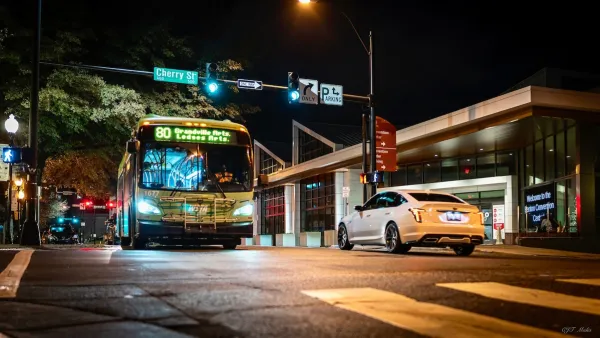
Another North Carolina City is Capping Transit Fares
Winston-Salem will cap public transit fares at $2 per day, following in the footsteps of Greensboro and Raleigh.
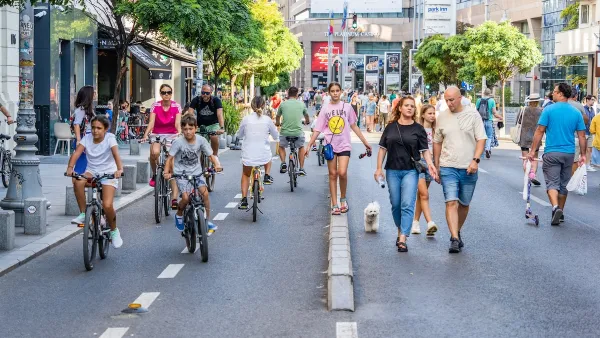
Car Culture Kills. Motornormativity Explains Why.
From “car accidents” to “traffic violence,” language shapes perception — and policy. When it comes to the words we use, let’s put the power with the people.
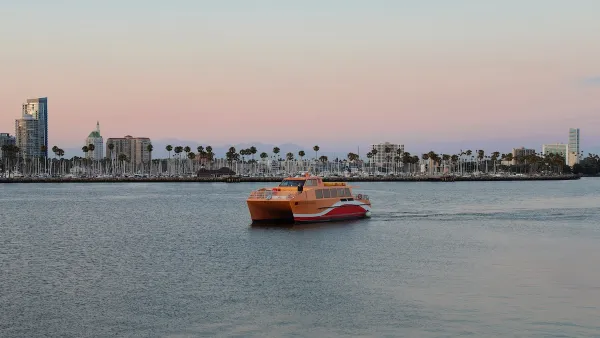
Los Angeles County Could Launch New Water Taxi for Olympic Visitors
Long Beach is considering a new water taxi service to offer a sustainable alternative to driving for the Olympic and Paralympic Games, but the region remains far from a ‘car-free’ Olympics.
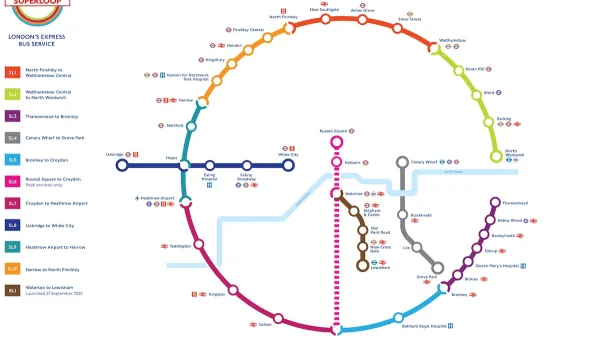
London’s Superloop BRT Ridership Grows by 20% While Other Bus Ridership Declines
The new rapid bus system launched its first suburban line, the first of 10 that will extend outside central London.
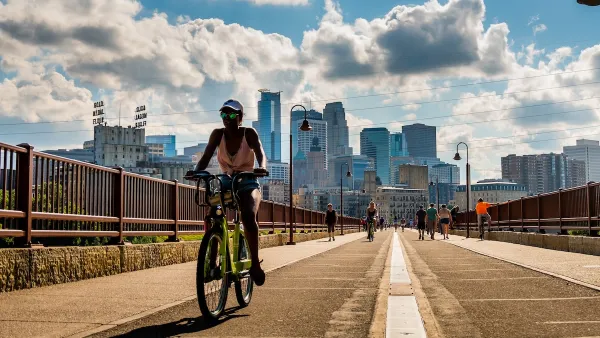
The 5 Safest Cities for Cyclists in America — and What They Have in Common
Cities with low fatality rates for people on bikes have made strong commitments to building safe, protected bike networks and supporting Complete Streets.
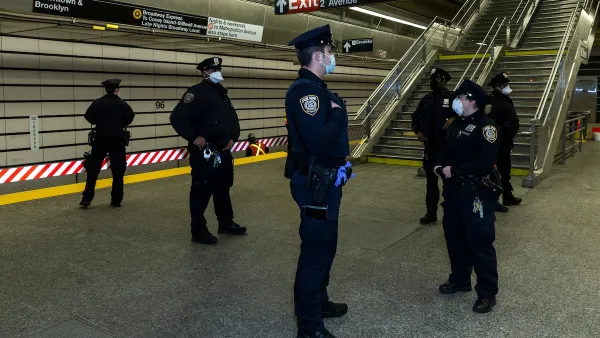
Judge Blocks Trump Cuts to MTA Security Funding
A judge halted the Trump administration’s attempt to withhold transit security funds.
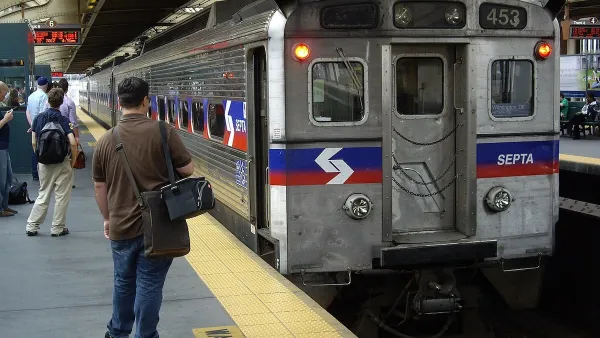
SEPTA Forced to Suspend Fleet after Five Railcar Fires in One Year
Federal regulators told the agency to stop running its Silverliner IV fleet until it can identify and fix the cause of the fires, which forced hundreds of passengers to evacuate trains.
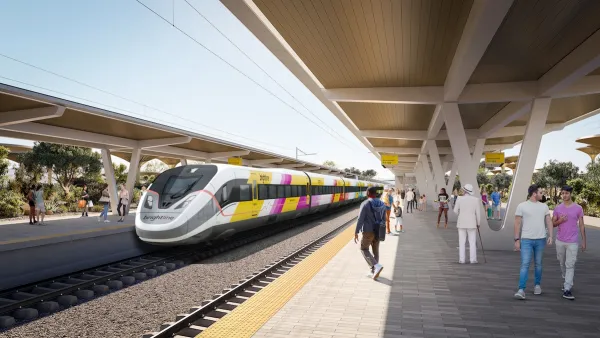
LA-to-Vegas High-Speed Rail Cost Jumps by $5.5 Billion
Brightline West is asking USDOT for a $6 billion loan to help cover rising costs.
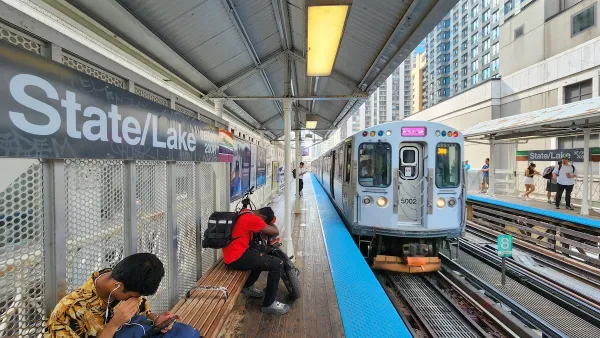
Trump Freezes $2.1 Billion for Chicago Transit and Infrastructure Projects
The administration plans to revoke federal funding over what it calls “discriminatory, illegal, and wasteful contracting practices.”
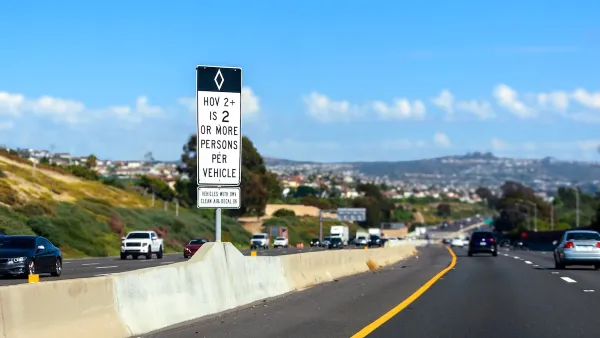
September Must-Reads: Top 10 Articles From Last Month
EV drivers can no longer use carpool lanes alone, Bay Area transit is saved — for now — by a $750 million loan, and a Florida commuter rail line loses its state subsidy, jeopardizing its future.

DoorDash Plans to Deploy Delivery Robots in Suburban Bike Lanes
A new generation of delivery robot is designed to make longer trips and could compete with cyclists for bike lane space.
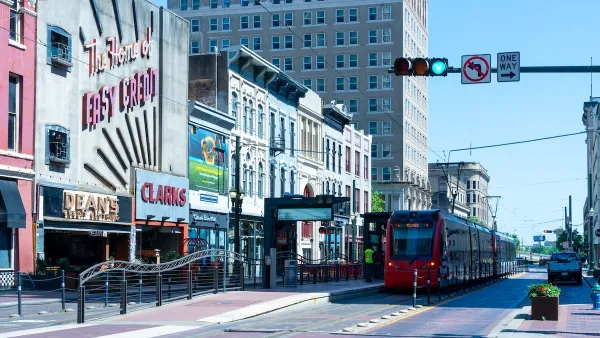
Houston Trains Now Have to Stop at Red Lights, Risking 'Train Traffic Jams'
The city’s light rail trains no longer get signal priority, forcing them to wait through the entire light cycle at intersections.
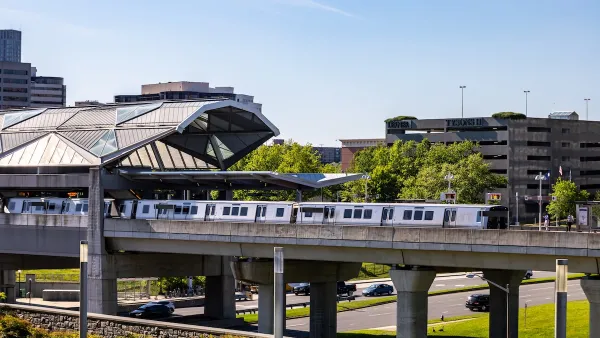
Northern Virginia's Unlikely Transit-Oriented-Development Success Story
A rail line has brought hundreds of new housing units and offices to the region.
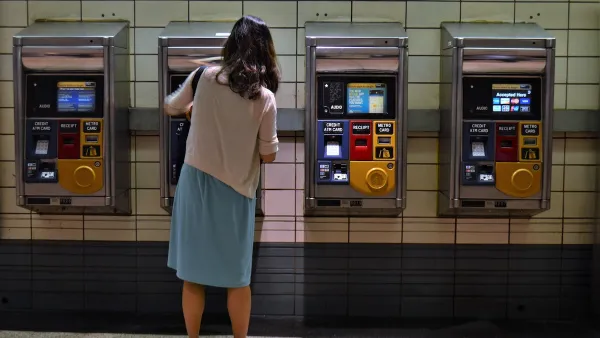
NYC to Raise Transit Fares
The MTA board approved a 10-cent fare increase as part of a plan to increase revenue, claiming the agency loses $1 billion annually to fare evasion.
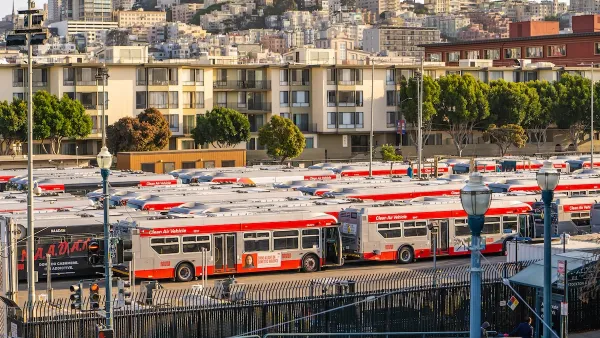
Why US Transit Agencies Pay 'Inconsistent and Exorbitant Prices' for Buses Compared to Europe, Asia
Inefficiencies in the procurement process, small contract sizes, and an emphasis on customization leads American transit agencies to pay more than double for the same vehicles.
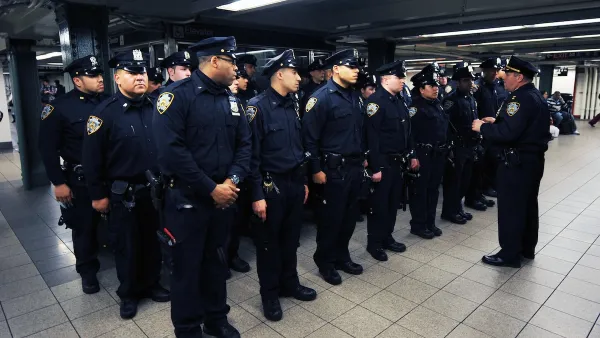
Feds Deny NYC ‘Every Dollar’ of Transit Security Funding Due to ‘Sanctuary’ Status
DHS denied the MTA its request for funding under the Transit Security Grant Program despite the administration’s concern with transit safety.
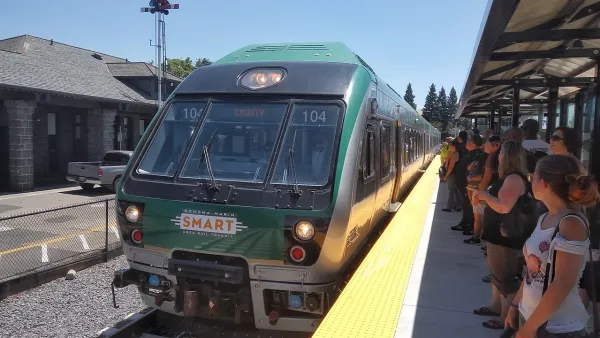
Bay Area's 'Most Recovered' Rail Line Expands North
Among the San Francisco Bay Area's 27 transit systems, one rail line stands out for recovered pre-pandemic ridership: the Sonoma-Marin Area Rail Transit District. Now it's headed 9 miles north to Healdsburg.
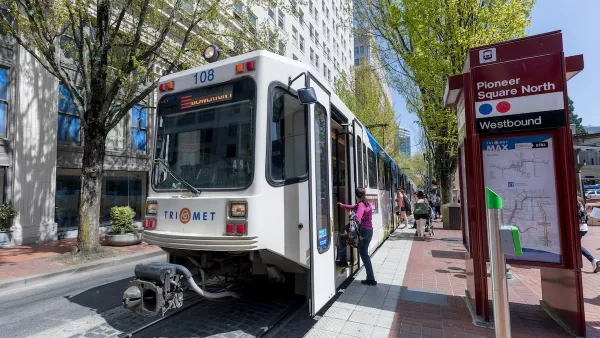
Oregon Transportation Bill Saves 500 ODOT Jobs, but Leaves Future Funding Uncertain
A bill passed in a special legislative session will raise over $4 billion for transportation and public transit in the next 10 years, but fails to establish a long-term funding solution.
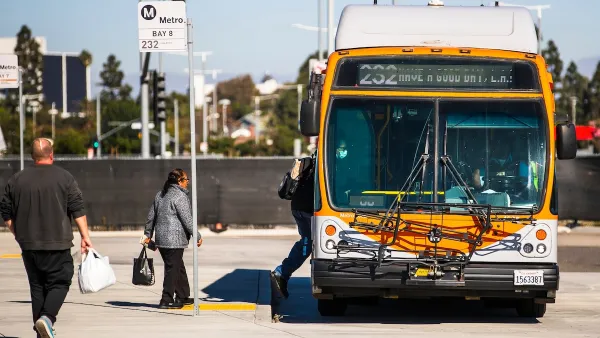
Report: Reduced Fare Transit Programs Reach Less Than Half of Eligible Riders
Discount programs designed to help low-income transit riders have participation rates that rarely hit 50%, signaling a lack of effective outreach to eligible households.

FREE Course: Walkable City 1: Why Walkability?
After describing his path towards focusing on walkability as the essence of good planning, Jeff Speck marches through his five principal reasons for making more walkable places.
Reinventing Malls: Planning Alchemy—Turning Gray Fields Into Gold
The course focuses on the opportunities and imperatives that shape reinvention of mall sites.

City of Rosemead
Rutgers University, Edward J. Bloustein School of Planning and Public Policy
One Hundred Miles
The Architects Foundation
University of Cincinnati Online
Montrose County
Northern Illinois Transit Authority (NITA)
The Pocatello Development Authority









