Discount programs designed to help low-income transit riders have participation rates that rarely hit 50%, signaling a lack of effective outreach to eligible households.


A new report from the Regional Plan Association assesses the successes and challenges of the reduced fare transit programs that exist around the country.
According to the report, “Enrollment across many programs is low, with seven case study examples showing highest program participation rates at 50%.” This signals that the programs fail to reach many of the people who need them most.
Drawing from existing programs, the report outlines best practices for improving reduced fare programs and ensuring that more people can access them. These include wider eligibility thresholds, automated enrollment based on other assistance programs like SNAP, and outreach partnerships with community organizations such as schools and healthcare clinics.
The report ties transit access to healthcare, jobs, education, and other essential resources. “Ensuring transportation access is not only a matter of urban planning or transit policy; it is a public health imperative. Affordable and reliable transportation must be prioritized to ensure that all individuals can reach the destinations that sustain their health and livelihoods.”
FULL STORY: Reduced Fares: Lessons from Across the Country

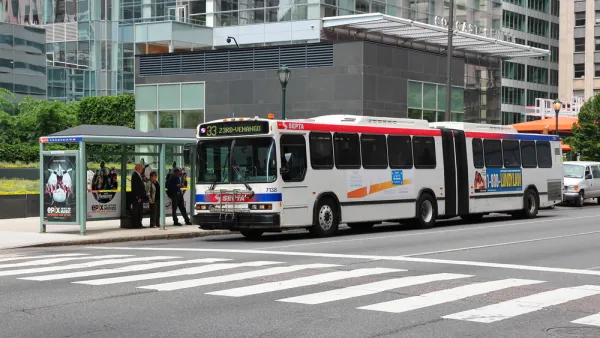
Philadelphia Councilmember Proposes Transit Access Fund
The plan would allocate 0.5 percent of the general fund toward mobility subsidies for low-income households.
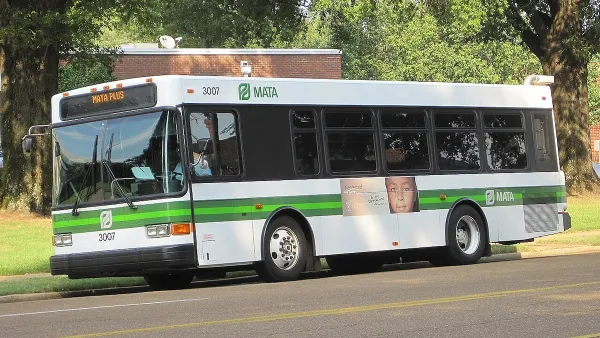
Limited Transit Access Stifling Memphis Economy
The city ranks low for transit access to jobs, limiting opportunities for local workers and businesses.
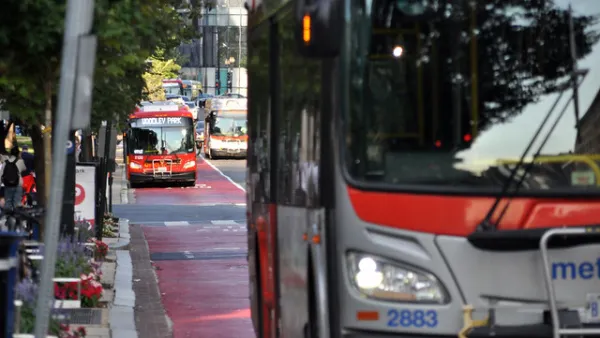
DC Improving Transit Equity
The Transit Equity Dashboard reveals a more marked improvement in transit access in the District of Columbia than in other metro areas.

The state-sanctioned urbicide of Austin
People don’t kill cities. Freeways do.

US to reduce Colorado River water deliveries to Mexico
A new Colorado Treaty amendment reduces Mexico’s Colorado River water allocation by 250,000 acre feet.

New Jersey’s second-largest city bans standalone data centers
Jersey City will continue to allow co-location facilities, such as those meant for research institutions that store their own data.

Amtrak not solely to blame for New Jersey commuter rail's unreliability, report finds
A new study from the Garden State Initiative found that NJ Transit’s budget grew 20% across a 4 year period, but reliability declined significantly over the same period.

EPA erases limits on planet-warming pollution from power plants
Under Monday’s plan, power plants would still have some limits on how much mercury, arsenic and other contaminants they can emit.

Phoenix announces new on-demand transit service, more frequent RAPID buses
Both new services will launch in October, and are part of Phoenix's Project Effective Access Solutions for Easing Congestion.

FREE Course: Walkable City 1: Why Walkability?
After describing his path towards focusing on walkability as the essence of good planning, Jeff Speck marches through his five principal reasons for making more walkable places.
Reinventing Malls: Planning Alchemy—Turning Gray Fields Into Gold
The course focuses on the opportunities and imperatives that shape reinvention of mall sites.

Eagle County Government
Harvard University Graduate School of Design
Nashville Planning Department
The Architects Foundation
University of Cincinnati Online
The Pocatello Development Authority
The Urban Renewal Agency of the City of Pocatello
Journal of the American Planning Association