Transportation
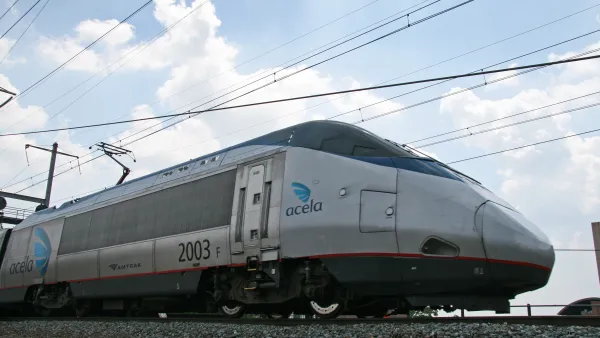
Maryland Looks to Replace Reconstruction-Era Train Tunnel
The 148-year old tunnel, which slows trains to 30 miles per hour, is the biggest bottleneck between Washington, D.C. and New Jersey.
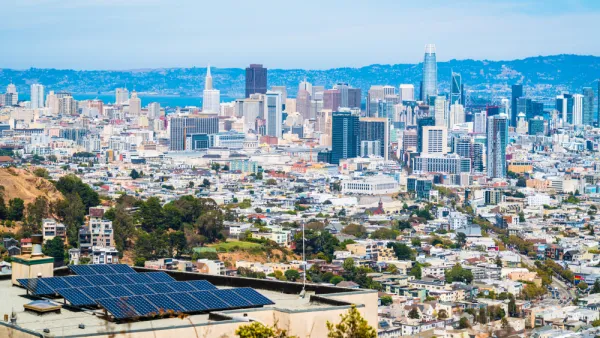
The Imagined Bay Area of 2070: Affordable, Equitable, Prosperous
An opinion published recently by the San Francisco Chronicle offers a provocative thought exercise: How did the Bay Area of 2070 achieve affordability, equity, sustainability and adaptation in the face of climate change, and new levels of prosperity?
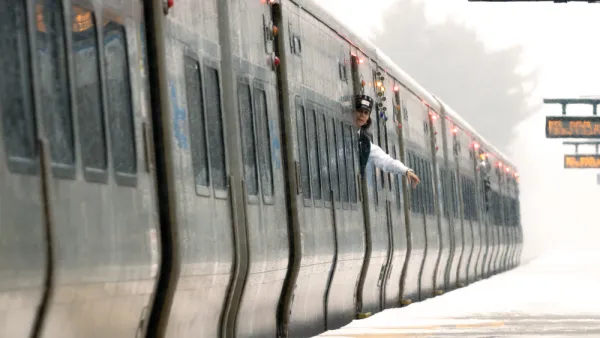
New York Times: Upzone the Suburbs
While the affordable housing discussion focuses on New York City among the many cities with public transit service on Long Island, the city's suburbs need to build more too, according to an argument by The New York Times Editorial Board.
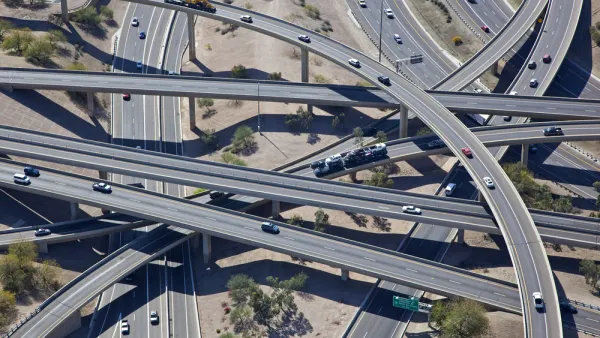
Bipartisan Infrastructure Deal Compromise Includes Cuts to Transit and 'Human Infrastructure'
An agreement laid out last week by the White House and Republican lawmakers makes dramatic cuts to funding for public transit, rail, and "human infrastructure" projects while leaving highway funding almost intact.
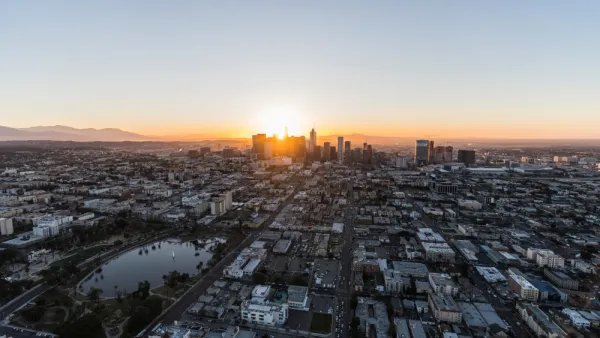
Bus Lanes Expand Territory in Los Angeles
A new bus lane on Alvarado Street is the latest in a string of new bus lane projects in Los Angeles.
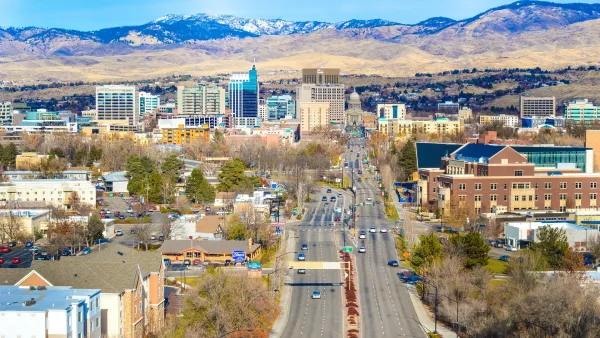
Boise Plans for 'Urban Renewal District'
The proposal seeks to sustainably manage development along State Street, support local businesses, and improve public transit and pedestrian infrastructure in the area.
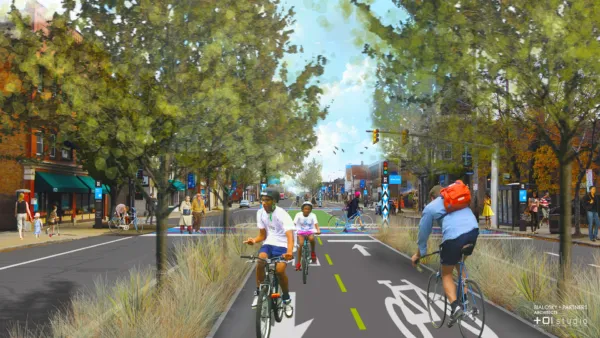
Two Steps Forward, One Step Back for Cleveland Cycle Track Plans
Advocates are thrilled that the city of Cleveland is seeking federal funding for a pair of ambitious cycle track plans—but one of the plans has been significantly watered down.
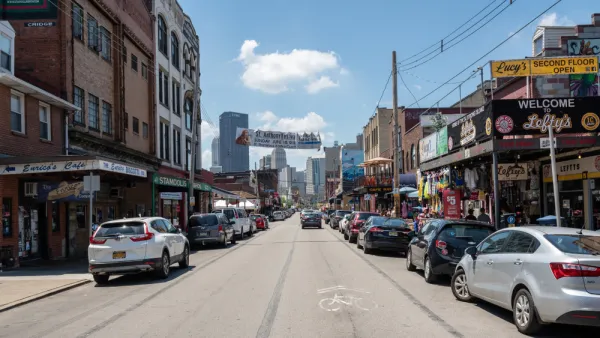
Pittsburgh Launches Pedestrian Safety Action Plan
The plan lays out strategies for improving pedestrian infrastructure and eliminating traffic deaths.
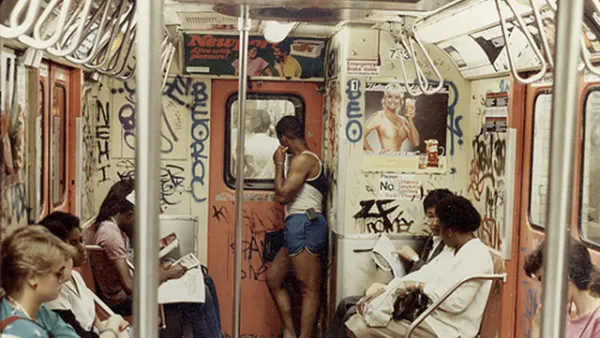
Tracking Transit Ridership's Slow Decline Since 1970
New research reveals the regional and national trends of transit ridership—where transit is still a viable option and where travelers have increasingly relied on automobiles.
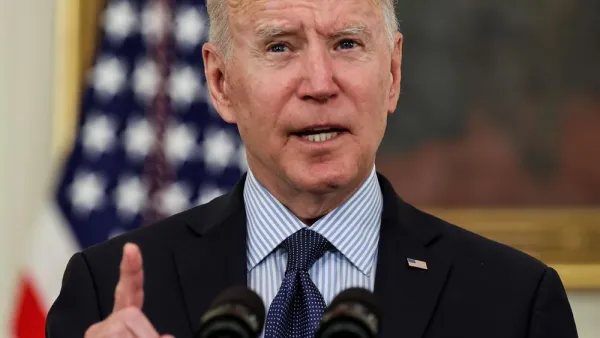
Biden on Senate Bipartisan Infrastructure Plan: 'We Have a Deal'
The plan, initially proposed by five Democratic and five Republican senators, calls for $1.2 billion in spending over 8 years. Biden wants to see a much larger plan in a second bill, which could potentially sink the package.

Opinion: Only Slower Traffic Reduces Traffic Deaths
A package of bills in the New York legislature seeks to increase licensing and safety requirements for bikes, e-bikes, and scooters. But research shows speeding and impaired driving are still the top killers of pedestrians and cyclists.
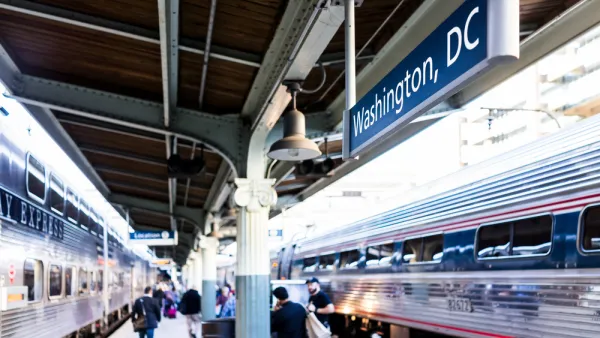
How Virginia Became a Leader in Passenger Rail
The state's consistent investment in passenger rail has resulted in one of the nation's most effective regional rail networks.
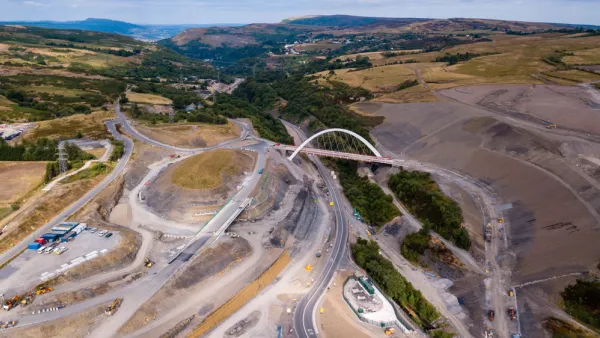
Wales to Cease Road Construction Projects in Bid to Achieve Net Zero Emissions
The Welsh government is taking a bold stand for climate action.
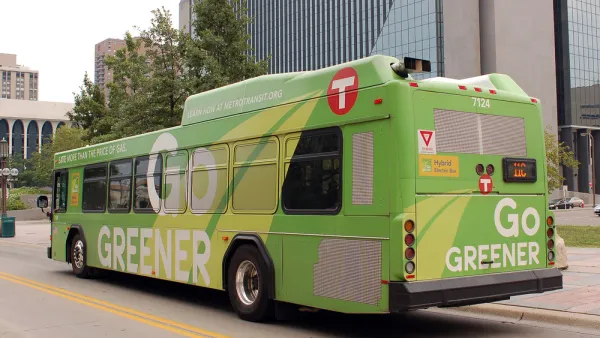
Minnesota Transit Buses Deliver COVID-19 Vaccines
The state's department of health is deploying the retrofitted buses to administer vaccines in hard-to-reach communities.
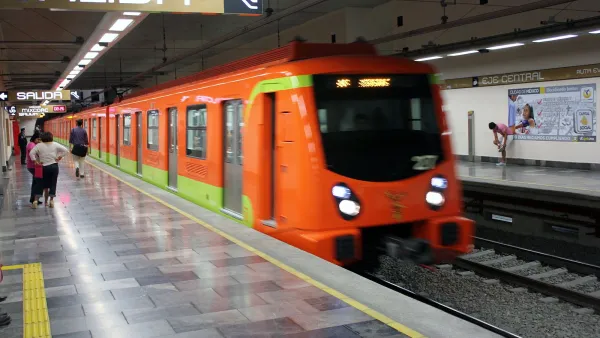
Report: Collapsed Mexico City Train Line Had Major Structural Flaws
A New York Times investigation uncovered years of government documents showing that officials ignored warnings about major structural flaws and poorly performed work on the train line before its fatal collapse in May.
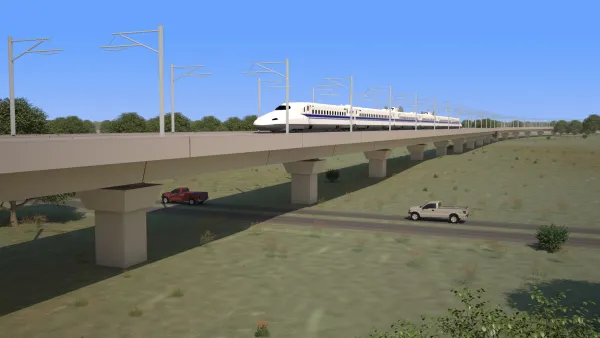
Contracts Signed, Funding Still TBD: Texas Central High-Speed Rail Moves Forward
Texas Central has its construction contracts and a court decision in its favor, but significant obstacles remain for the high-speed rail project connecting Houston and Dallas to get underway.
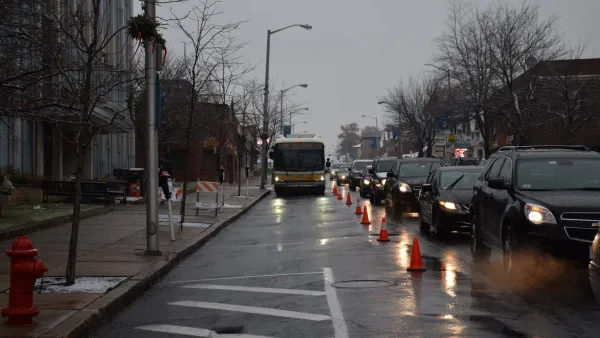
How to Improve Bus Service and Performance on Busy Corridors
A new report collects the lessons and best practices of several years of bus priority projects in the Boston region.
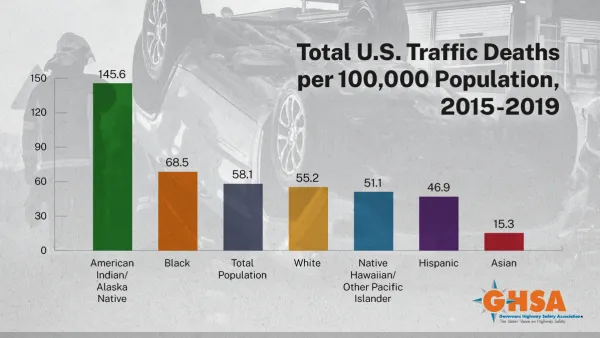
U.S. Traffic Fatalities Increased Most for Black Americans During the Pandemic
Two new reports confirm the racial disparities of traffic violence in the United States, revealing more proof about who stayed home during the pandemic, and who was forced to navigate the risks of the pandemic in public.
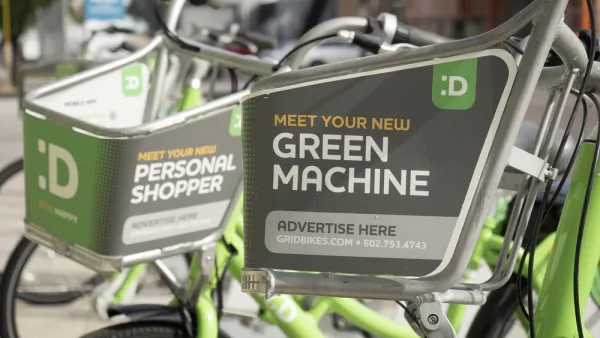
Bikelash Wins in Phoenix
Neighborhood opposition overwhelmed a plan to reduce the number of vehicles lanes on North Central Avenue to make space for a new bike lane, despite evidence of the benefits of the proposed street reconfiguration.
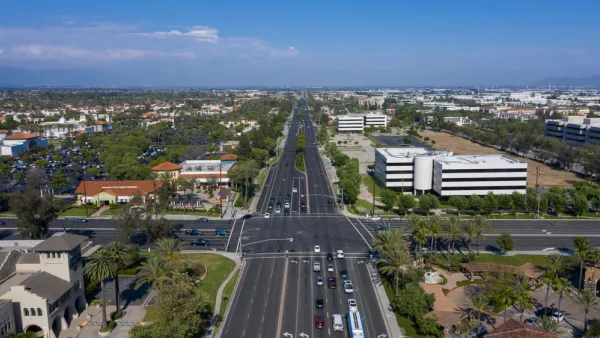
Inland Empire City Pauses New Gas Station Development
The reasons for a ten-month moratorium on gas station development in the city of Rancho Cucamonga portend a major shift in transportation and land use priorities in the near future.

FREE Course: Walkable City 1: Why Walkability?
After describing his path towards focusing on walkability as the essence of good planning, Jeff Speck marches through his five principal reasons for making more walkable places.
Reinventing Malls: Planning Alchemy—Turning Gray Fields Into Gold
The course focuses on the opportunities and imperatives that shape reinvention of mall sites.

City of Rosemead
Rutgers University, Edward J. Bloustein School of Planning and Public Policy
One Hundred Miles
University of Michigan School for Environment and Sustainability (SEAS)
Hunter College, City University of New York (CUNY)
The Architects Foundation
City of Cambridge
The Pocatello Development Authority
The Urban Renewal Agency of the City of Pocatello









