Transportation
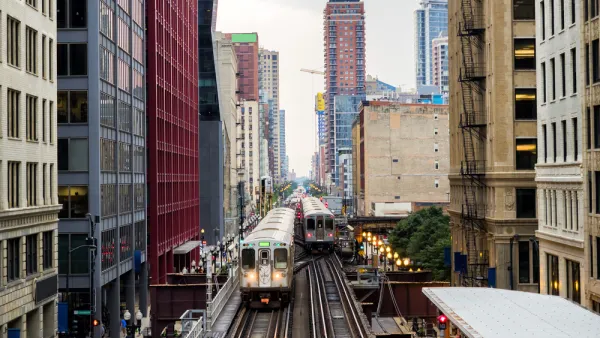
Chicago Transportation Advocates Launch ‘Safe Streets for All’ Coalition
The group brings together advocates for road safety and better transit in the hope of influencing local elections and city policy.
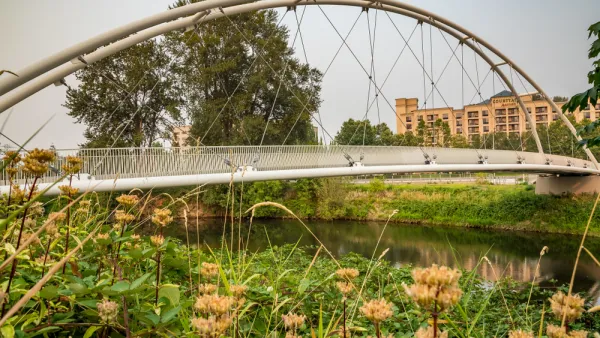
Pedestrian Deaths Spike in King County Cities
Eight cities in Washington’s King County saw sharp increases in traffic fatalities, signaling a need for more robust road safety and traffic calming policies.
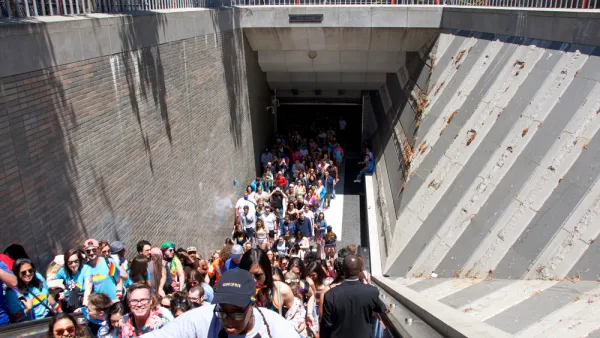
How Mass Transit Can Adapt to Post-Pandemic Needs
With commuter ridership playing a smaller role in transit operations, agencies must reorganize their services around different travel schedules and patterns.
Problems or Solutions? TRBAM Underway in D.C.
One of the premier planning events of the year is underway in D.C.
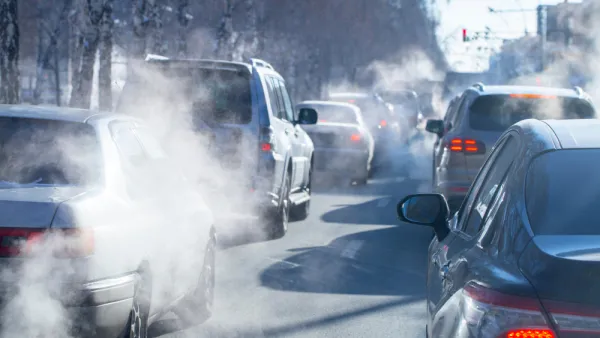
Federal Plan Takes Aim at Transportation Emissions
The U.S. National Blueprint for Transportation Decarbonization is designed to guide federal investment and regulations, focusing on electrification with a nod to transit investment and walkability.

U.S. Greenhouse Gas Emissions Continue Post-Pandemic Rebound in 2022
Renewables generated more electricity than coal in 2022, according to preliminary estimates. Greenhouse gases still rose, however, due mostly to increased emissions from buildings.
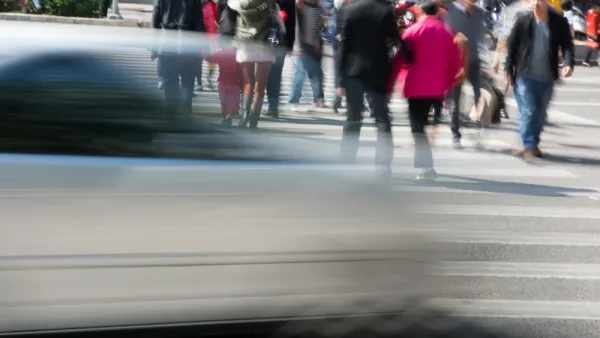
Zero to Deadly: How More Powerful Cars Endanger Lives
With cars accelerating more quickly, drivers have less time to react and can pose more danger to pedestrians.
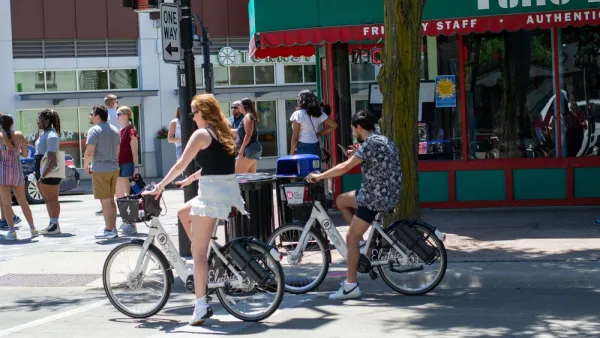
Madison Adopts ‘Complete Green Streets’ Plan
The new document consolidates the city’s Complete Streets projects with its sustainability plan, providing a flexible framework for comprehensive actions that focus on safety, sustainability, and equity.

What Is a Road Diet?
A road diet ‘trims down’ multilane roadways by reallocating street space to uses other than car traffic, improving safety for pedestrians, encouraging multimodal travel, and enhancing overall livability.
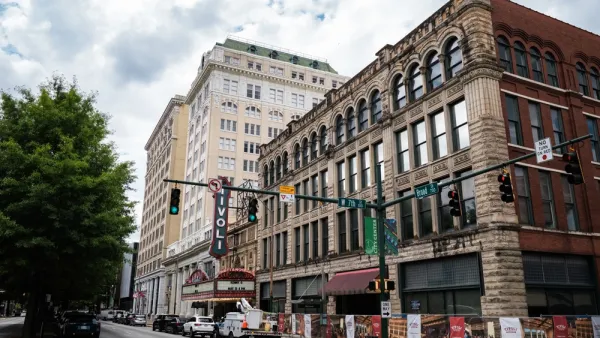
Chattanooga Expands ‘Smart Intersection’ Network
The city is building on a smaller test project that uses sensors to gather data about traffic movement to help transportation planners make more informed traffic management decisions.
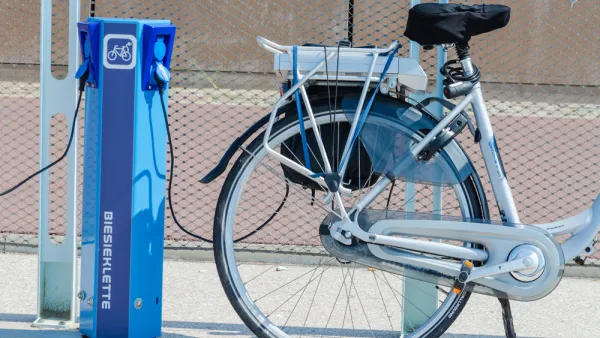
E-Bikes and the Bike Infrastructure of the Future
What will the future hold for cycling and bike infrastructure? With the introduction of e-bikes, the landscape of cycling, and even the definition of a bike, is changing.
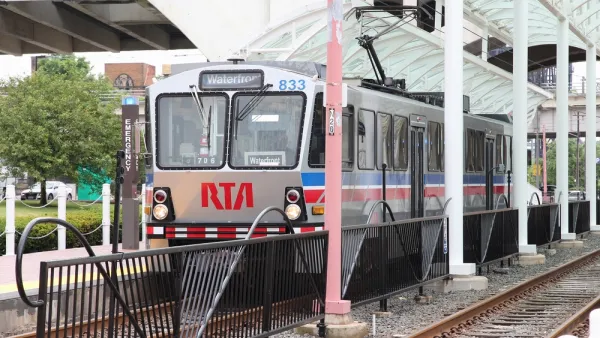
Study: Cuyahoga County Suburbs Ready for TOD
The growth of transit-oriented development in the Cleveland region is being hindered by zoning codes that limit housing density and excessive parking requirements that drive up construction costs, new research suggests.
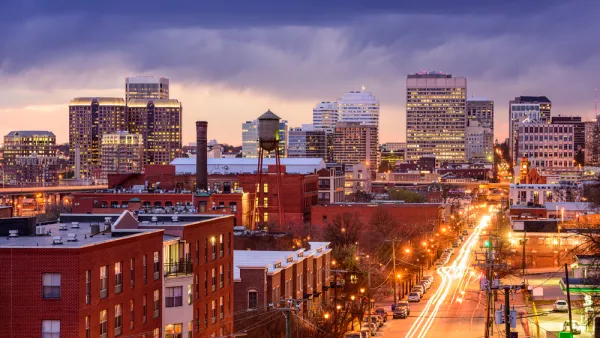
How High Costs Derailed Richmond’s Speed Limit Change
After voting to lower speed limits citywide, Richmond found itself with a $5.2 million bill for new signage, prompting the city council to pull the ordinance.
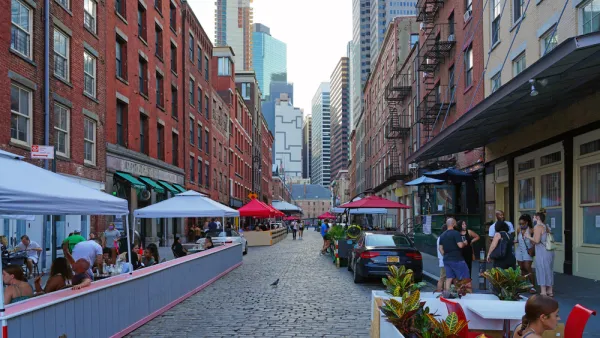
Where Open Streets Are Succeeding
The cities that are making their pandemic-era car-free experiments permanent.
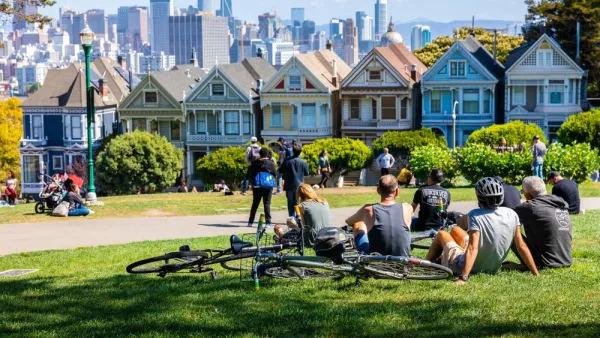
Predictions for San Francisco’s Public Spaces
In 2023, will the city’s public spaces be reclaimed by cars, or will pandemic-era interventions lead to permanent change?
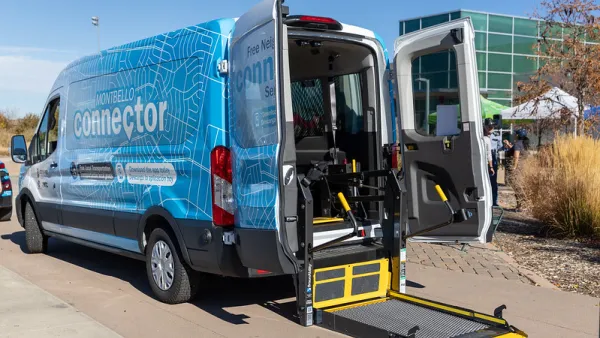
On-Demand Transit Supplements Denver-Area Bus and Rail
Residents in far-flung parts of the region can connect to rail and bus lines and access local destinations through an on-demand service called the Denver Connector.
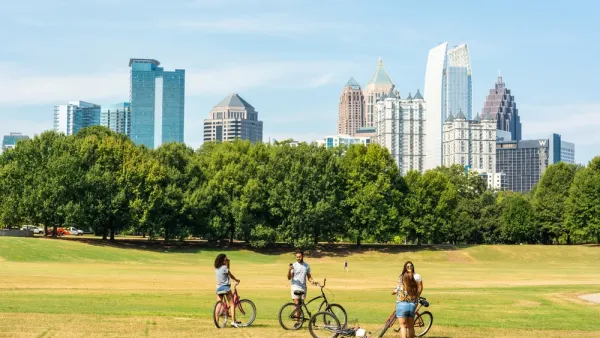
Atlanta Considers E-Bike Subsidy
The city could join others in offering rebates on e-bikes to get more people out of their cars and reduce traffic and carbon emissions.
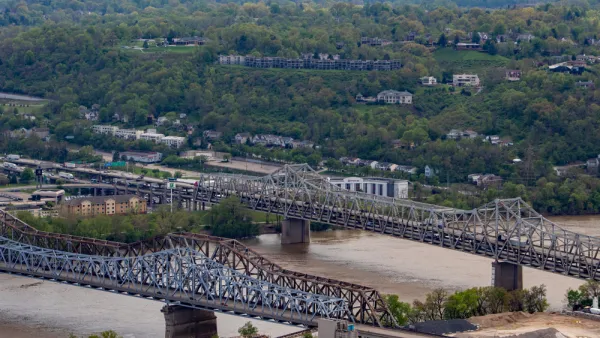
$1.6 Billion for Ohio River Bridge Included in Latest Federal Grant Announcements
The Biden administration this week spanned the country to announce over $2 billion in grant funding for bridge projects.

Subway Ridership Still Lagging as Cities Come Back to Life
While other aspects of urban life are starting to recover to pre-pandemic ‘normals,’ ridership on the nation’s subway systems is still well below average levels.
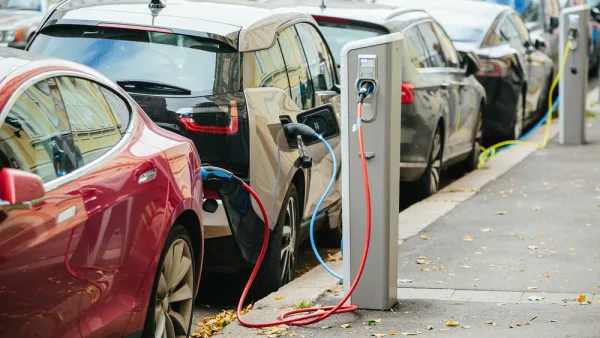
Tech Trends for Cities and States
Smart cities technology is well behind schedule, but the technology industry hasn’t given up on new digital solutions, self-driving cars, curb management, and AI-powered systems.

FREE Course: Walkable City 1: Why Walkability?
After describing his path towards focusing on walkability as the essence of good planning, Jeff Speck marches through his five principal reasons for making more walkable places.
Reinventing Malls: Planning Alchemy—Turning Gray Fields Into Gold
The course focuses on the opportunities and imperatives that shape reinvention of mall sites.

City of Rosemead
Rutgers University, Edward J. Bloustein School of Planning and Public Policy
One Hundred Miles
University of Michigan School for Environment and Sustainability (SEAS)
Hunter College, City University of New York (CUNY)
The Architects Foundation
City of Cambridge
The Pocatello Development Authority
The Urban Renewal Agency of the City of Pocatello









