Transportation
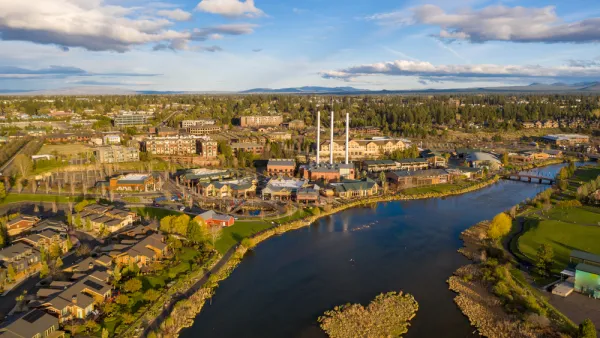
Bend Eliminates Parking Minimums
The city is complying with an Oregon state mandate that some cities have challenged in court.

How Design Guidelines Can Reduce Road Safety
Signs and markings designed for traffic control can make conditions less safe for pedestrians and other road users.
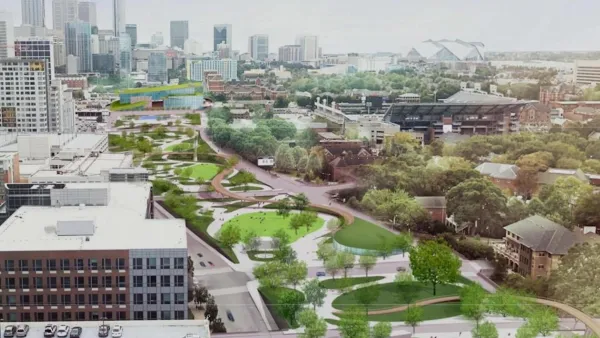
Atlanta Receives $3.2 Million for Freeway Cap Plan
The federal funding will help move forward planning for an ambitious proposal to cap a downtown Atlanta freeway with a 25-acre park.
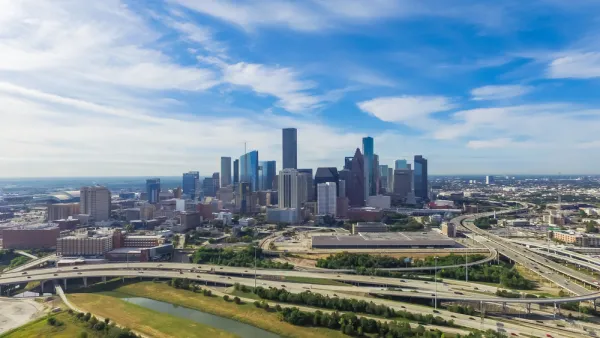
Details for Houston Interstate Project Remain Hazy
With the project still under federal investigation, local and state agencies say they are moving forward with the development of design details for the contentious freeway redesign.
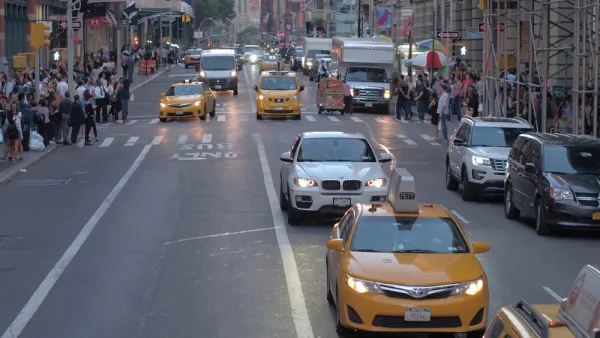
New York Speed Limiting Pilot Shows Promising Results
City vehicles equipped with speed limiting technology showed nearly complete compliance with speed limit laws and a significant reduction in hard-braking events.

Colorado DOT Invests in Workforce Housing
With the agency struggling to fill positions and housing costs rising across the state, the Colorado Department of Transportation is taking matters into its own hands.
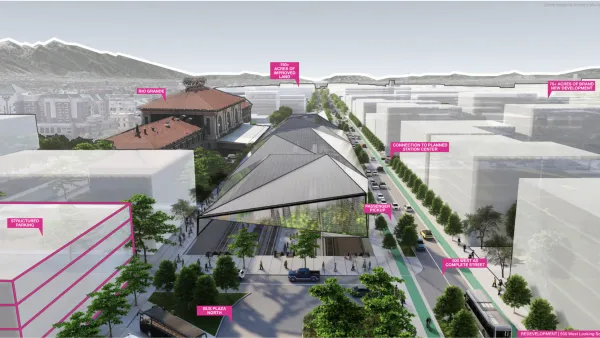
A Citizen-Led Plan Would Revamp Salt Lake’s Transit and Freeway Mix
The Rio Grande Plan would restore rail service to the Rio Grande Depot and reconnect a community divided by a freeway in Salt Lake City.
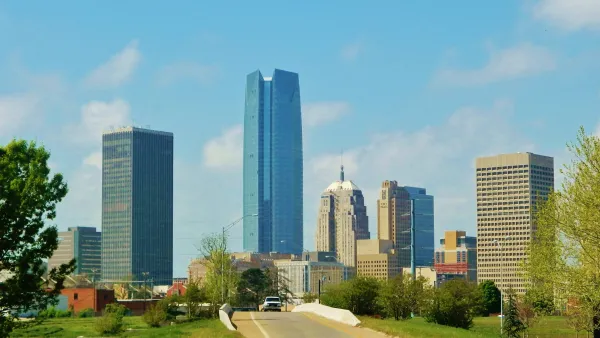
Oklahoma Turnpike Expansion Project Challenged by Lawsuits
A recent court ruling could turn the tide against a roadway expansion plan that threatens to displace homes and businesses and that locals say was pushed through with little transparency or community input.
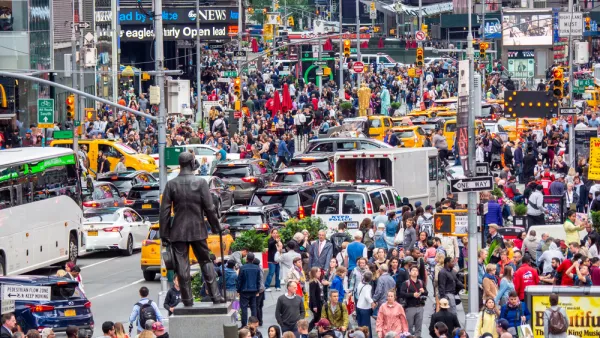
Redesigning Streets for Livability: A Global View
An excerpt from the introduction of the recent book, “Streets For All: 50 Strategies for Shaping Resilient Cities,” edited by Vinayak Bharne and Shyam Khandekar.
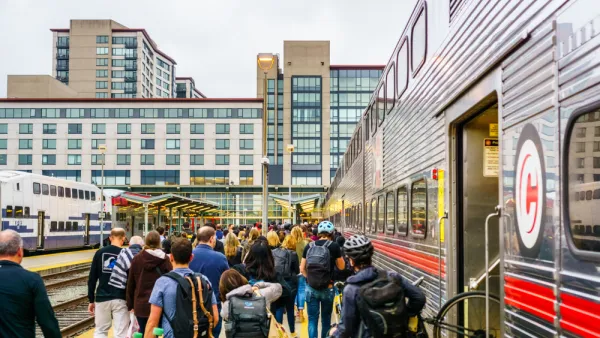
California Could Cut $2 Billion in Transit Spending
The governor’s proposed budget would slash public transit investment to help make up for a projected $22.5 billion deficit.
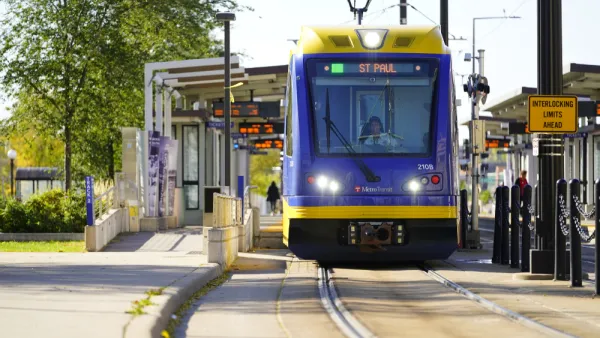
Leveraging Federal Funding for Transit Accessibility
Just 8 percent of U.S. households live near “high-quality transit.” How can federal infrastructure spending help fill this gap?
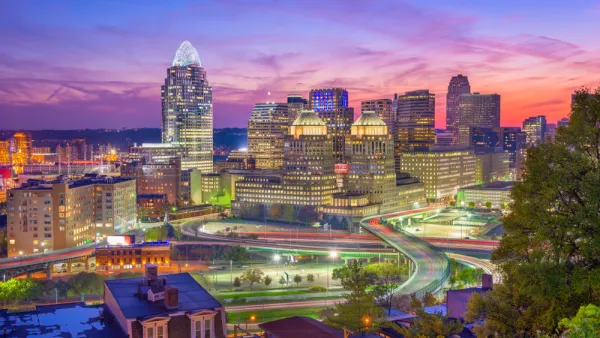
Cincinnati Gets Serious About Pedestrian Safety
A new in-house team dedicated to pedestrian safety at Cincinnati City Hall and a new complete streets ordinance are some of the changes underway in Cincinnati.

Transit-Oriented Development with Soccer
Learn about StationSoccer, an innovative program in Atlanta which connects communities through transit, soccer, and leadership training.

Electric Car Batteries Spark Weight Concerns
A federal transportation official is warning that electric vehicle batteries, which can weigh thousands of pounds and make cars much heavier than their gas-powered counterparts.
Where Ridership-Only Service Design Comes Up Short
Jarrett Walker and Mathew Yglesias discuss one of the great quandaries of 21st century transit planning—how to increase cost effectiveness and ridership while also ensuring equity and service for underserved communities.
What Draws Conspiracy Theorists to Traffic Calming Plans?
Proposals for road diets, ‘15-minute cities,’ and other traffic reduction programs often meet with unfounded conspiracy theories claiming that the plans are nothing short of steps to world domination.
Multimodal Improvements Coming to Houston
The city is continuing its investment in safety and accessibility improvements for transit riders, pedestrians, and cyclists.
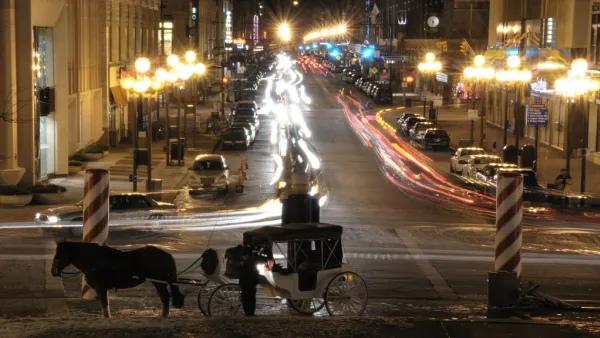
Indianapolis Launches Fatal Crash Review Commission
The group is tasked with making a deeper assessment of the underlying infrastructural causes of fatal crashes and recommending improvements.

Small Modes Are Beautiful!
Active modes (walking, bicycling and their variants) and micromodes (e-bikes and e-scooters) can provide large climate emission reductions and other important benefits, if we let them. Small modes are important but often undercounted and undervalued.
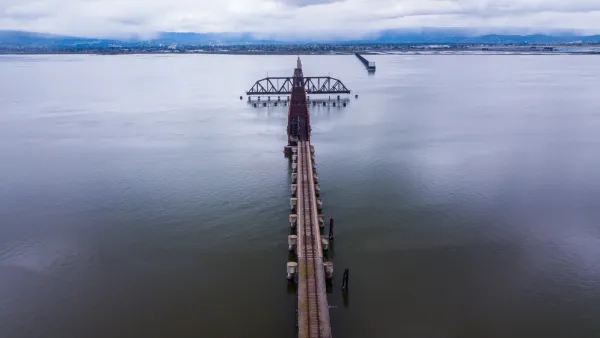
Meta’s Plans to Revive an Old Rail Bridge Halted During the Pandemic
The company formerly known as Facebook’s once planned to revive the Dumbarton Rail Bridge across the San Francisco Bay. Those plans are as derelict as the bridge.

FREE Course: Walkable City 1: Why Walkability?
After describing his path towards focusing on walkability as the essence of good planning, Jeff Speck marches through his five principal reasons for making more walkable places.
Reinventing Malls: Planning Alchemy—Turning Gray Fields Into Gold
The course focuses on the opportunities and imperatives that shape reinvention of mall sites.

City of Rosemead
Rutgers University, Edward J. Bloustein School of Planning and Public Policy
One Hundred Miles
University of Michigan School for Environment and Sustainability (SEAS)
Hunter College, City University of New York (CUNY)
The Architects Foundation
City of Cambridge
The Pocatello Development Authority
The Urban Renewal Agency of the City of Pocatello









