Transportation

What Is a Road Diet?
A road diet ‘trims down’ multilane roadways by reallocating street space to uses other than car traffic, improving safety for pedestrians, encouraging multimodal travel, and enhancing overall livability.
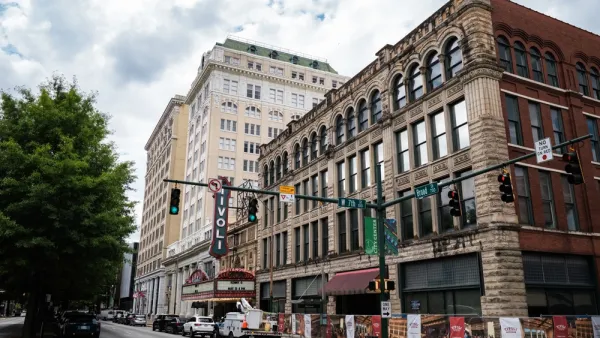
Chattanooga Expands ‘Smart Intersection’ Network
The city is building on a smaller test project that uses sensors to gather data about traffic movement to help transportation planners make more informed traffic management decisions.
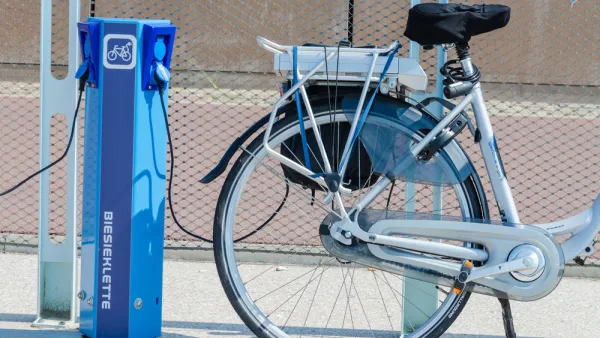
E-Bikes and the Bike Infrastructure of the Future
What will the future hold for cycling and bike infrastructure? With the introduction of e-bikes, the landscape of cycling, and even the definition of a bike, is changing.
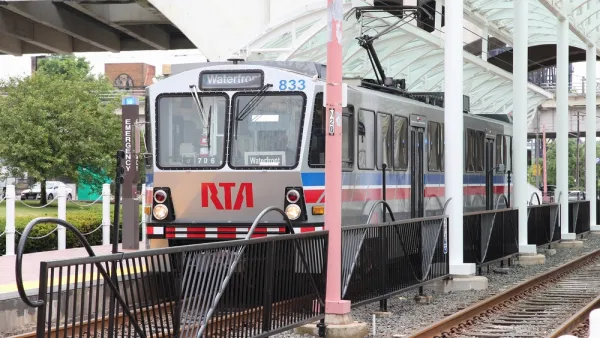
Study: Cuyahoga County Suburbs Ready for TOD
The growth of transit-oriented development in the Cleveland region is being hindered by zoning codes that limit housing density and excessive parking requirements that drive up construction costs, new research suggests.
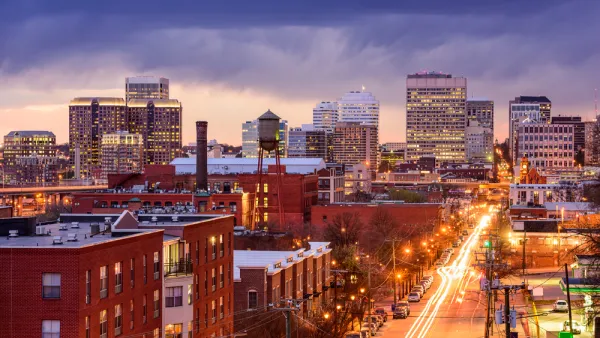
How High Costs Derailed Richmond’s Speed Limit Change
After voting to lower speed limits citywide, Richmond found itself with a $5.2 million bill for new signage, prompting the city council to pull the ordinance.

Where Open Streets Are Succeeding
The cities that are making their pandemic-era car-free experiments permanent.
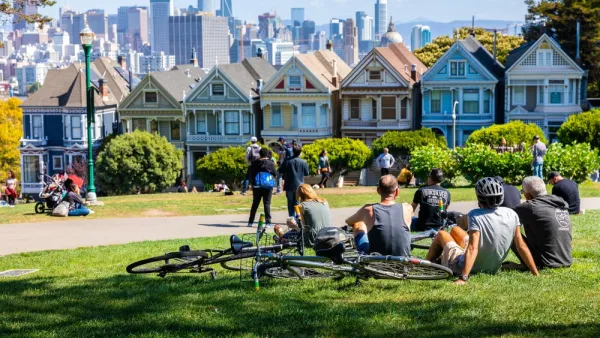
Predictions for San Francisco’s Public Spaces
In 2023, will the city’s public spaces be reclaimed by cars, or will pandemic-era interventions lead to permanent change?
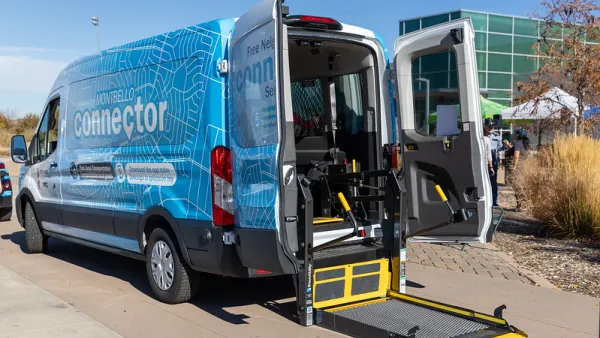
On-Demand Transit Supplements Denver-Area Bus and Rail
Residents in far-flung parts of the region can connect to rail and bus lines and access local destinations through an on-demand service called the Denver Connector.
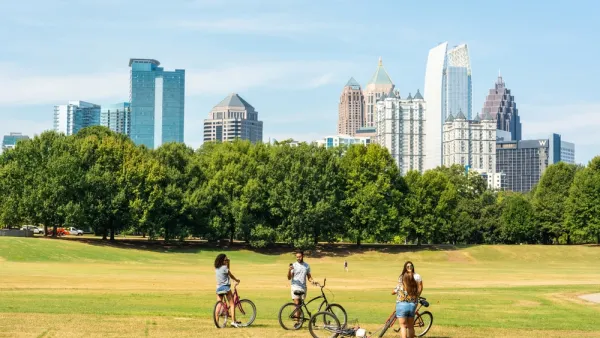
Atlanta Considers E-Bike Subsidy
The city could join others in offering rebates on e-bikes to get more people out of their cars and reduce traffic and carbon emissions.
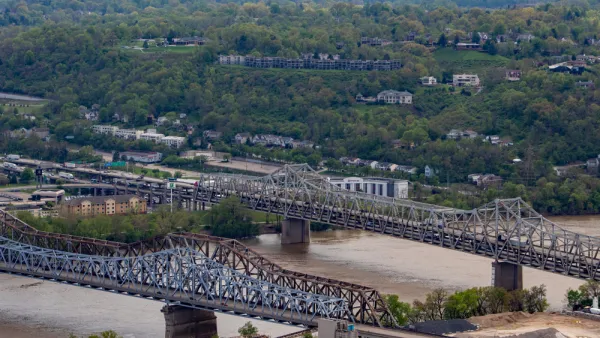
$1.6 Billion for Ohio River Bridge Included in Latest Federal Grant Announcements
The Biden administration this week spanned the country to announce over $2 billion in grant funding for bridge projects.

Subway Ridership Still Lagging as Cities Come Back to Life
While other aspects of urban life are starting to recover to pre-pandemic ‘normals,’ ridership on the nation’s subway systems is still well below average levels.
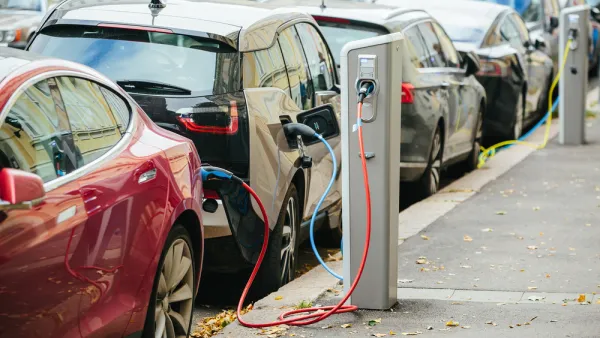
Tech Trends for Cities and States
Smart cities technology is well behind schedule, but the technology industry hasn’t given up on new digital solutions, self-driving cars, curb management, and AI-powered systems.
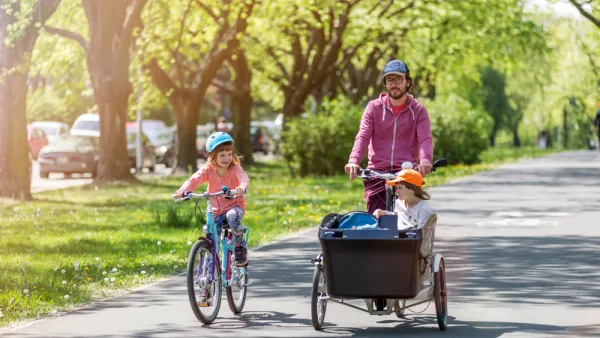
The Multi-Faceted Benefits of E-Bikes
Advocates say incentivizing e-bikes is a quick and effective way to reduce carbon emissions and shift U.S. transportation priorities away from car-oriented planning.
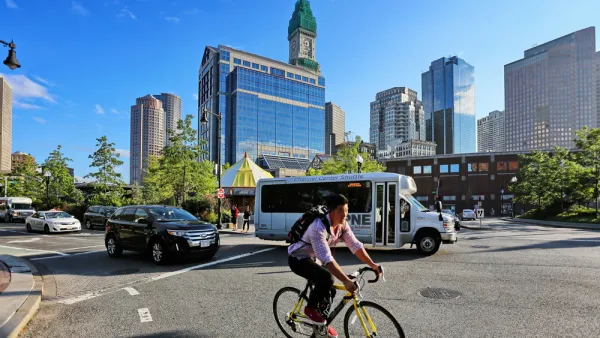
Massachusetts Passes New Road Safety Law
The legislation requires cars to keep four feet away from cyclists and other “vulnerable” road users and eases the process for lowering speed limits on state-owned roads.
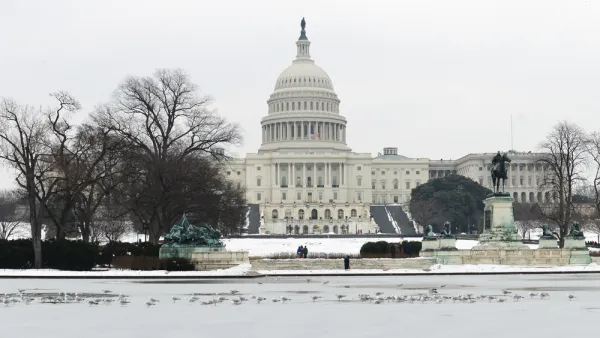
What to Expect from U.S. Climate Policy in 2023
2022 was full of historic legislative accomplishments on climate policy. 2023 is unlikely to achieve the same significance, though the changing climate demands more of the same.
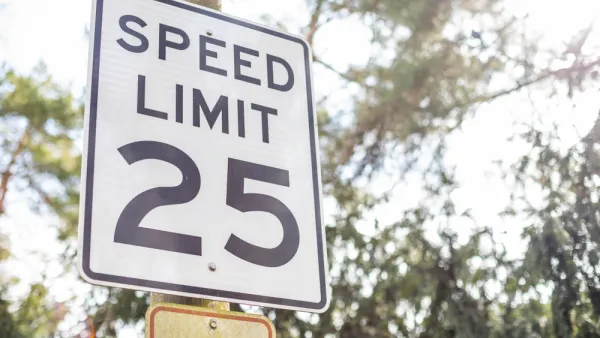
Tacoma’s Lower Speed Limits Take Effect
The city hopes reducing speed limits will help them achieve their Vision Zero pledge.

Opinion: To Meet Climate Goals, San Diego Must Improve Bike Infrastructure
The city wants to drastically reduce carbon emissions, but bike advocates argue it has not done enough to make biking and walking in the city safer and more convenient.
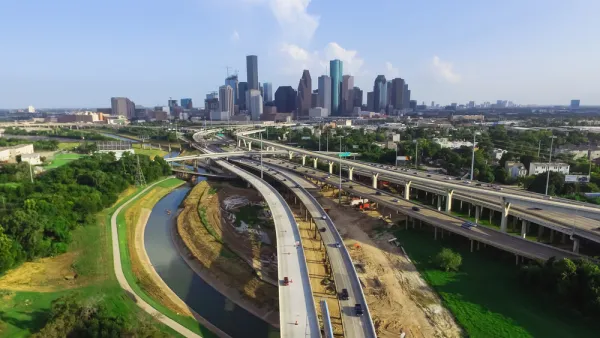
Rising Costs Threaten TxDOT’s $85 Billion Highway-Building Plans
Texas Transportation Commissioners must have a hangover—backing off its highway building ambitions just a few months after approving the $85 billion Unified Transportation Plan in August 2022.
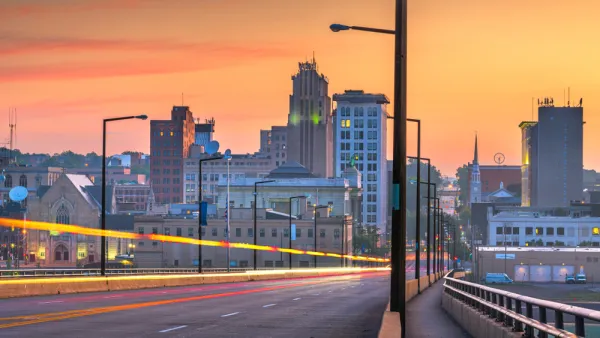
Hometown Bike Share Company to Launch in Youngstown
A Black-led, family-owned company is bringing e-bikes to the Ohio town.
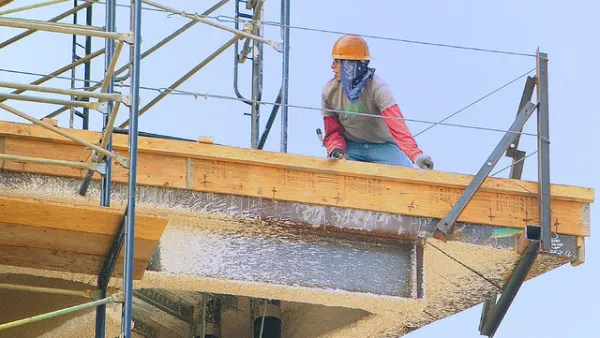
The Infrastructure Sector Is Bleeding Workers
With an aging workforce and few new workers entering the sector, cities could find themselves short of the workers needed to build and maintain projects funded by the Infrastructure Investment and Jobs Act.

FREE Course: Walkable City 1: Why Walkability?
After describing his path towards focusing on walkability as the essence of good planning, Jeff Speck marches through his five principal reasons for making more walkable places.
Reinventing Malls: Planning Alchemy—Turning Gray Fields Into Gold
The course focuses on the opportunities and imperatives that shape reinvention of mall sites.

KFH Group Inc.
Greater Baltimore Committee
Eagle County Government
The Architects Foundation
University of Cincinnati Online
The Pocatello Development Authority
The Urban Renewal Agency of the City of Pocatello