Technology
New Fleet of Self-Driving Cars Offer Rides for Families in Phoenix
Alphabet, Inc's self-driving car wing, Waymo, announced a new program offering free rides in self-driving cars to families in Phoenix.
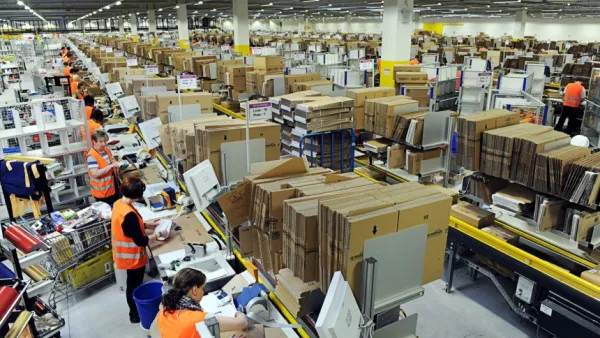
Debating the Role of Amazon Delivery Service in the Future Built Environment
The team at Strong Towns is taking an in-depth look at Amazon, with a week of events, including the point-counterpoint series shared here.
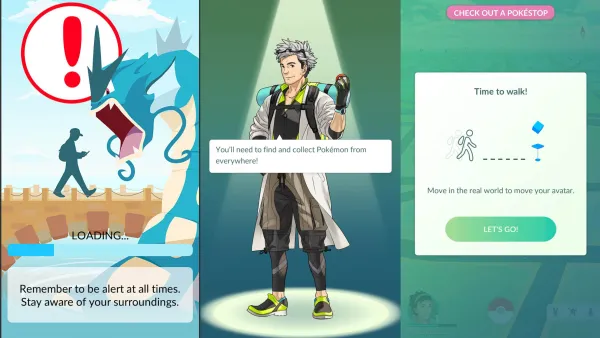
Academic Studies Find Plenty to Like About Pokémon Go
Nearly a year after Pokémon Go and its legion of devout fans hit the streets, researchers are starting to see societal benefits in augmented reality.
Air Quality and Environmental Justice Lead to Push for Zero-Emission Locomotives
The California Air Resources Board has petitioned the U.S. EPA to adopt more stringent emissions standards for locomotives in order to improve air quality at rail yards, many of which are located adjacent to disadvantaged communities.

Hyperloop Delivery Schedule Delayed Again
So far, the Hyperloop's biggest supporters have made a lot of big promises, but continue to fall short on deliverables.
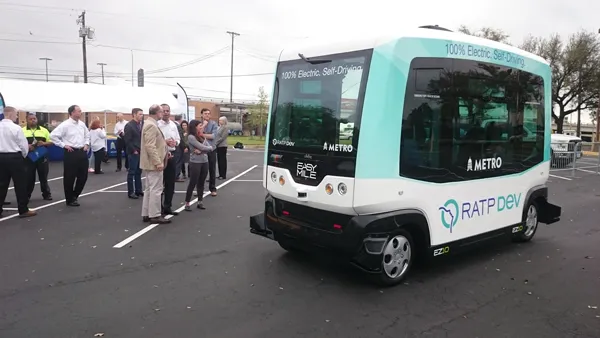
Driverless Van Tests Don't Pencil Out
While it might be easy to convince public officials to sell driverless technology as a flashy solution to mobility deficits—the math still doesn't justify the expense.
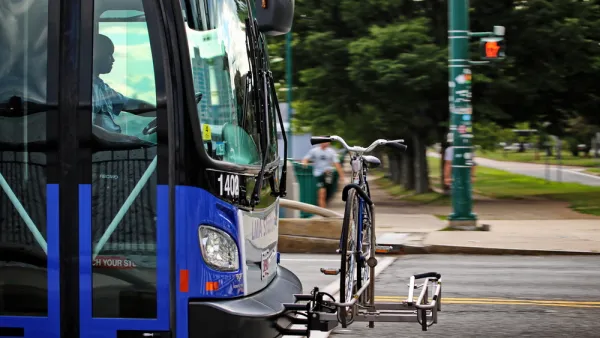
Boston's Data-Driven Bus System Makeover
MIT's Transit Lab created a ridership model called Origin Destination Transfer (ODX) that the Massachusetts Bay Transportation Authority is using to make incremental changes to the region's bus system.

The Hyperloop Hype Machine
After another big announcement from the realm of futuristic transportation, there's reason to remain skeptical.

More Fuel Cell Vehicles for Lease in 2017
Fuel cell electric vehicles are gaining a following in California, but nowhere else in the U.S. for the simple reason that almost all hydrogen fueling stations are located in the Golden State. Sales, or leases, are expected to jump this year.
Most Americans Say Cities Should be Able to Build Their Own Broadband Networks
It's illegal for local governments to build broadband service in 20 states, and such legislation is spreading.
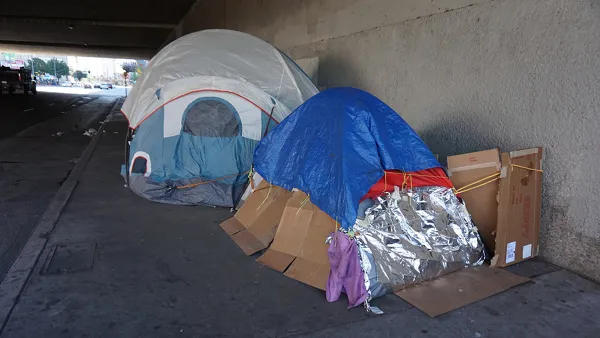
Mapping to Explain Homelessness in the U.S.
A team at Sasaki has created the "Understanding Homelessness" website, full of interactive features and one particularly helpful data visualization.

Nextdoor Looking to Expands its Influence on Local Politics
A decade into its history, the hyperlocal social media site Nextdoor is looking for feedback and hoping to expand its reach before the 2018 and 2020 elections.

A New Earthquake Warning System for the Pacific Northwest
Oregon and Washington are implementing sensors that can detect and report an earthquake to communities with as much as a minute or two of warning.
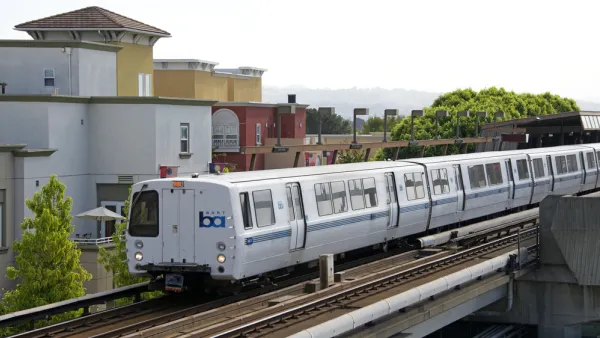
Can Public Transit Run on Solar Power?
California's Bay Area Rapid Transit (BART) has recently been exploring ways to power its system using renewable energy sources, but is it really possible to power one of the state's "top 10 power consumers" with alternative energy?

A Few Ideas for Planning and Governance in the Digital Age
The Guardian samples prominent examples of digital natives bringing new expectations for the use of technology to the public sector.
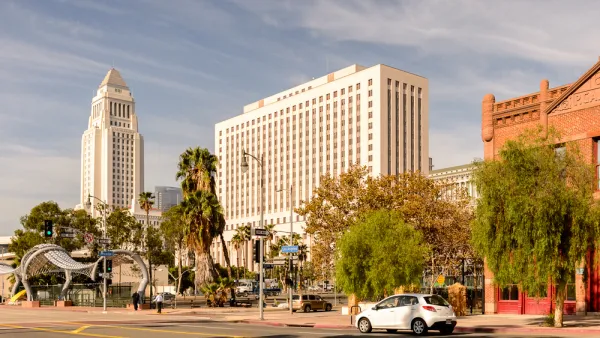
Sent A Strong Message, Los Angeles Leaders Respond With Planning Reforms
In the aftermath of the Measure S vote, members of the Los Angeles City Council have responded by pushing for expediting community plan updates and finding a sustainable source of funding for updating the region's plans.
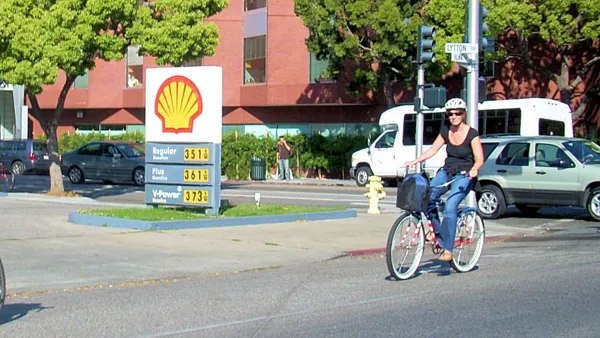
Gov. Jerry Brown and State Democratic Leaders Agree on Gas Tax Deal
Revised transportation funding legislation is needed to meet California's ballooning infrastructure deficit, but it needs a supermajority to pass, and it contains a fatal flaw for clean air activists.
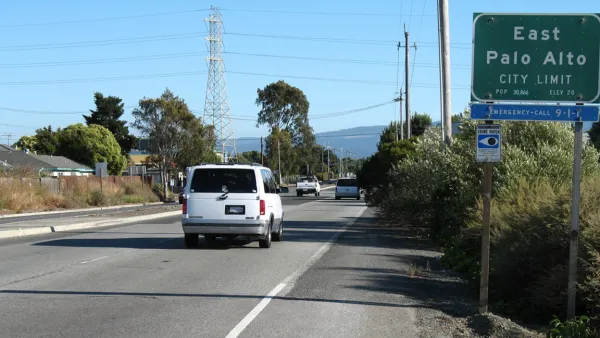
Can Silicon Valley Work for Bikes?
America's tech capital might be great at innovation, but innovation in bike transportation hasn't been a priority. Perhaps that's starting to change.
The Good and the Bad of Planning Websites
Students review municipal planning department websites in cities with more than 50,000 people to identify strengths and weaknesses. This post shares examples of the use of websites for information sharing and engagement.
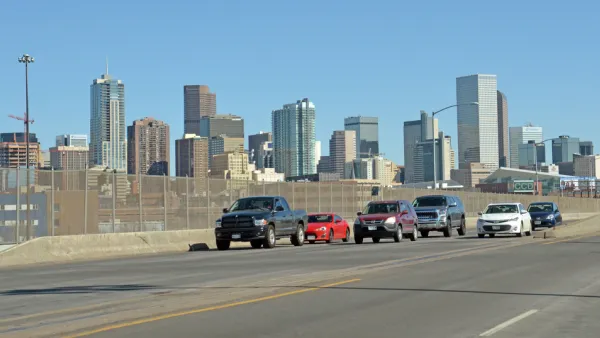
Study: Uber and Lyft Clog Roads, Steal Transit Riders
The findings of a recent study reveals the effects of transportation network companies to be the enemy of all forms of alternative transportation—far from the urban savior some hope they'll be.

FREE Course: Walkable City 1: Why Walkability?
After describing his path towards focusing on walkability as the essence of good planning, Jeff Speck marches through his five principal reasons for making more walkable places.
Reinventing Malls: Planning Alchemy—Turning Gray Fields Into Gold
The course focuses on the opportunities and imperatives that shape reinvention of mall sites.

City of Rosemead
Rutgers University, Edward J. Bloustein School of Planning and Public Policy
One Hundred Miles
University of Michigan School for Environment and Sustainability (SEAS)
Hunter College, City University of New York (CUNY)
The Architects Foundation
City of Cambridge
Montrose County
The Pocatello Development Authority









