Technology
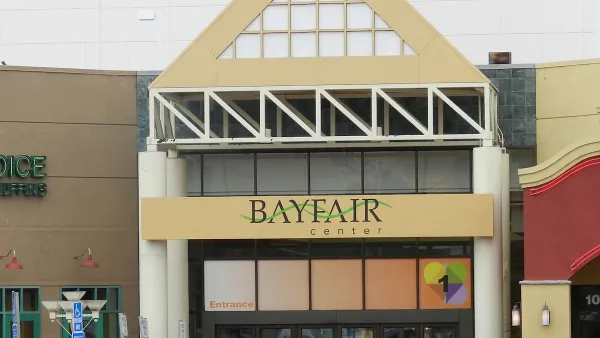
Mall Redevelopment in Silicon Valley
Dead malls across the Bay Area are being transformed into R&D centers, housing, and transportation hubs.

Tesla’s Self-Driving Still Not Working in Las Vegas Tunnels
The Boring Company had previously said it was working with Tesla to use its self-driving system in its tunnels below Las Vegas to save costs on drivers, but two years later, there is no clear timeline for “full autonomy.”
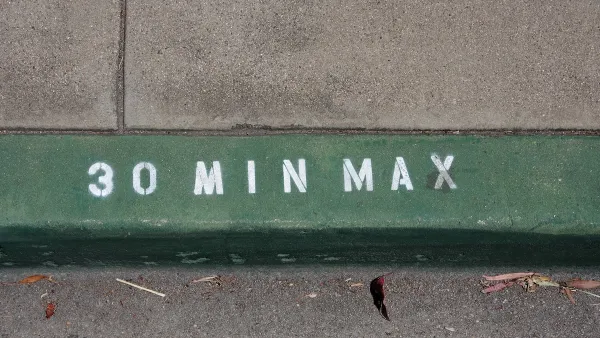
How Cities Use Tech for Curb Management
Curb monitoring technology is helping cities build a growing understanding of the shifting demand for this valuable urban space.
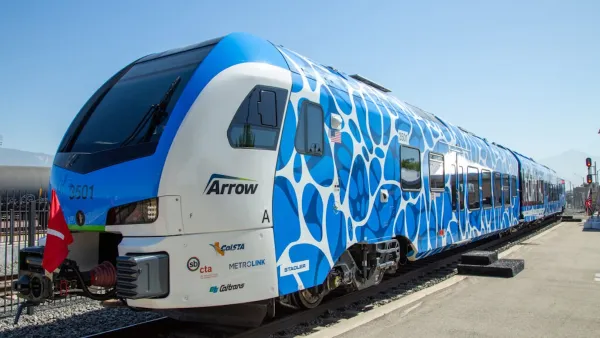
Hydrogen-Powered Train to Launch in Southern California
The 9-mile rail line could be a welcome breath of fresh air for one of the region’s most polluted communities.
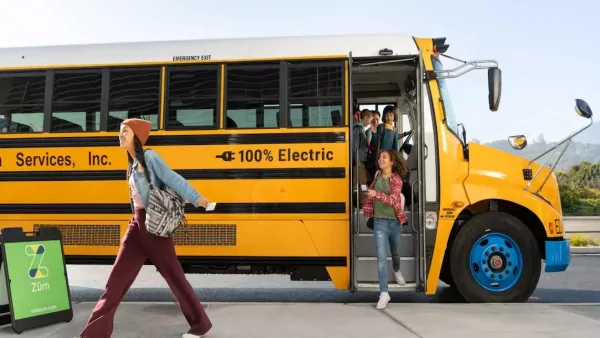
Oakland Electric School Buses Can Return Power to Grid
The district’s fully electric fleet features vehicle-to-grid technology that lets buses act as batteries when not in use.
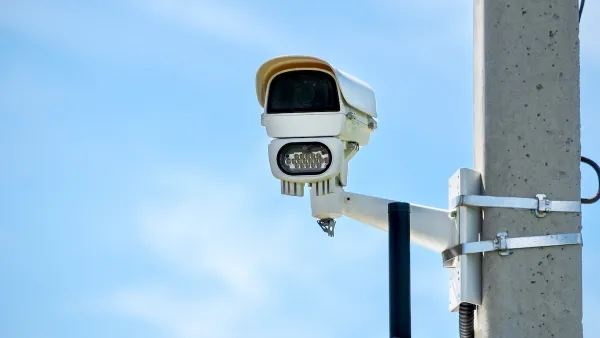
Philly Speed Camera Program Cuts Fatalities in Half
Excessive speeding along dangerous segments of Roosevelt Boulevard dropped by 90 percent after the city installed automated enforcement cameras.

California Bill Requiring Speeding Warnings Heads to Governor’s Desk
The law would require all vehicle models 2030 and later to include technology that warns drivers when they exceed the speed limit.

Transportation Rx: Treating Traffic Glut Like Doctors Treat Sinus Congestion
To cure chronic traffic congestion, U.S. cities should consider a prescribed treatment approach, using technology and road pricing strategies to target the root cause instead of just managing the symptoms.

Leveraging AI Chatbots to Enhance Citizen Engagement in City Services
Discover how AI chatbots can transform citizen engagement in city services, offering 24/7 interaction capabilities, streamlining service requests, and gathering valuable feedback to improve urban management.
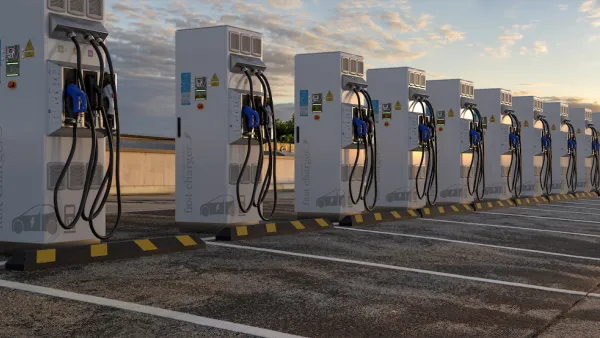
California Secures $150 Million for Expanding Electric Vehicle Charging Infrastructure
The Golden State has received almost $150 million from the U.S. Department of Transportation to build over 9,200 EV charging ports, bolstering the state’s efforts to expand zero-emission vehicle infrastructure and reduce greenhouse gas emissions.
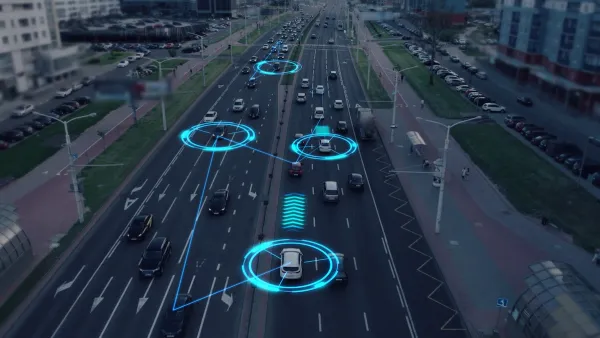
Federal Plan Outlines Deployment of ‘Vehicle-to-Everything’ Tech
The technology known as V2X could prevent crashes and save lives by allowing vehicles to communicate with each other and road infrastructure.
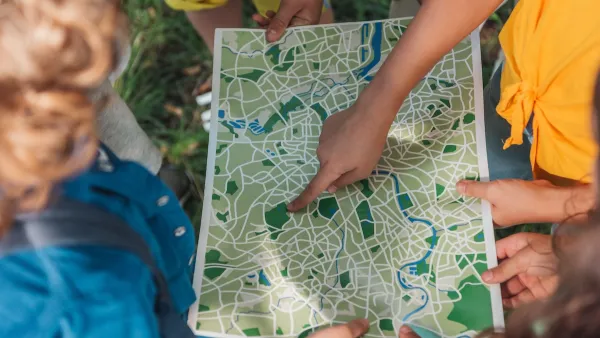
Building Healthier Communities: The Role of GIS in Park Planning
Integrating Geographic Information Systems (GIS) into park planning enhances community health by promoting physical activity, supporting mental well-being, fostering social connectedness, and addressing public health crises and climate change.

Boston AI Pilot Optimizes Traffic Light Timing
The program has led to reductions in stop-and-go traffic of as much as 50 percent.
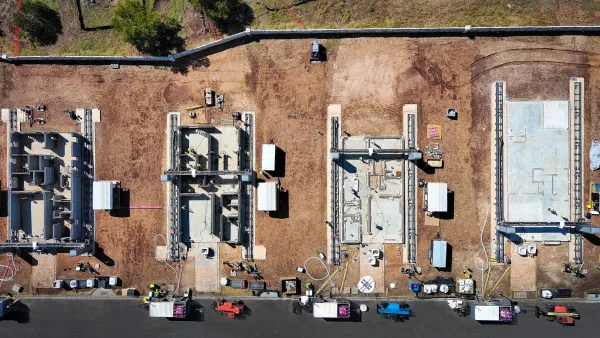
3D-Printed Community in Texas Nearly Complete
Upon completion, the 100-home Wolf Ranch Community north of Austin will be the largest 3D printed neighborhood in the world.
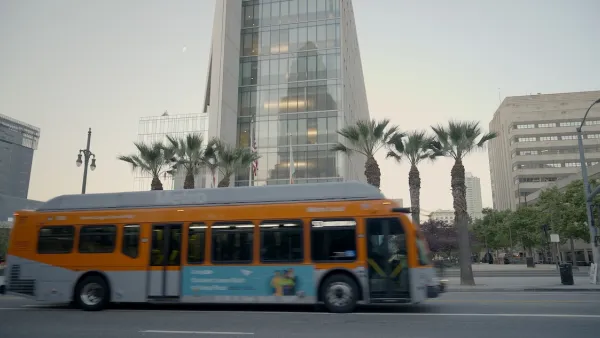
LA to Launch Bus Lane Enforcement Cameras
Bus-mounted cameras will identify vehicles that block designated bus lanes to help prevent delays and maintain reliable transit operations.

San Francisco Bans Rent Fixing Software
The Board of Supervisors unanimously supported a bill that bars landlords from using software that critics say facilitates collusion between landlords.
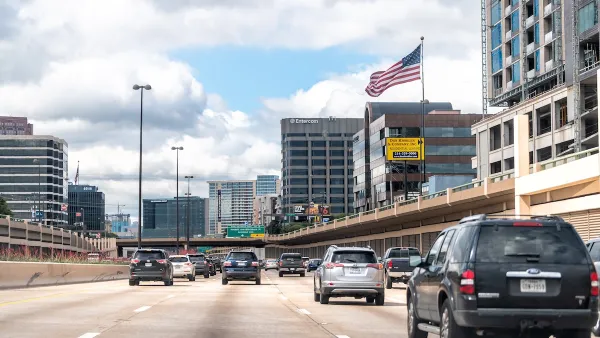
Traffic Tech is Helping Texas Curb Road Deaths
The state is deploying AI-assisted technology to identify dangerous road segments and improve signal timing.

July’s Must Reads: Top 10 Articles from Last Month
In case you missed them, here were the biggest urban planning news items, features, and blogs from last month, including 15 new Amtrak routes, Florida’s EV law, California’s rail update, fare-free buses in Tucson, and more.

Data Centers Gaining Ground in Central Ohio
Massive data centers are gobbling up energy resources and tax breaks while creating few jobs in the region.
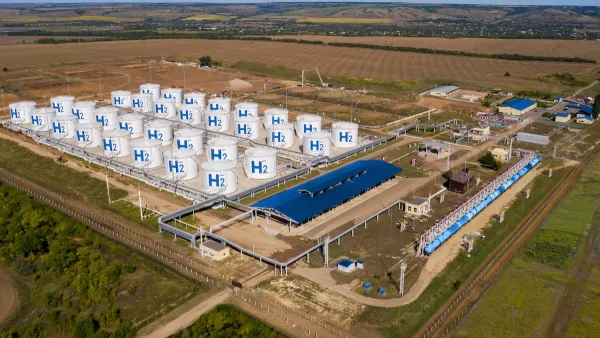
First Federal Funding for Hydrogen Hubs Awarded to California and Pacific Northwest
The U.S. Department of Energy announced on July 17 that the first grant to build the nation's seven proposed 'hydrogen hubs' would go to California. The ultimate goal is to decarbonize transportation fuels used in port operations.

FREE Course: Walkable City 1: Why Walkability?
After describing his path towards focusing on walkability as the essence of good planning, Jeff Speck marches through his five principal reasons for making more walkable places.
Reinventing Malls: Planning Alchemy—Turning Gray Fields Into Gold
The course focuses on the opportunities and imperatives that shape reinvention of mall sites.

Eagle County Government
Harvard University Graduate School of Design
Nashville Planning Department
The Architects Foundation
University of Cincinnati Online
The Pocatello Development Authority
The Urban Renewal Agency of the City of Pocatello
Journal of the American Planning Association