Technology

Predicting Toxic Algae Blooms with AI Modeling
Scientists hope to use AI and machine learning models to forecast water quality issues caused by toxic blue-green algae blooms.

California Using AI to Get Ahead of Wildfires
The state is pioneering the use of technology to identify wildfire risks and alert firefighters before blazes get out of control.

Addressing AI’s Massive Energy Needs
How policy can support ‘efficiency-forward’ approaches to AI growth.

Study Highlights Equity Gaps in California's EV Incentives
A UCLA research team identifies gaps in incentive uptake and electric vehicle registration rates in disadvantaged communities.

FAA Approves Air Taxis
Two Bay Area companies are planning to develop autonomous commuter flight services between San Francisco and local cities.

New TV Series Highlights Sustainable Aquaculture
Hope in the Water explores the groundbreaking work of dedicated fishers, aqua farmers, and scientists who are seeking to harvest aquatic species to feed our growing population while protecting the oceans.

Cities Awarded for Data-Driven Projects
The What Cities Works Certification recognizes cities for using data to solve real problems.

3D Modeling Aids in Predicting Hurricane Damage
Texas researchers are testing the tool in Galveston, where Hurricane Ike caused billions in damage in 2008.
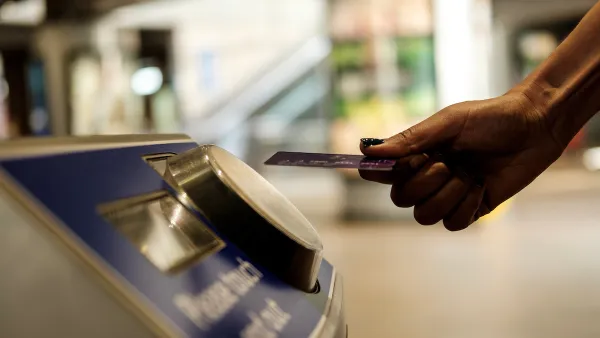
How Fare Collection Tech is Changing Transit Operations
Cashless fare options let agencies enable fare capping, track rider behavior, and eliminate proprietary fare cards.
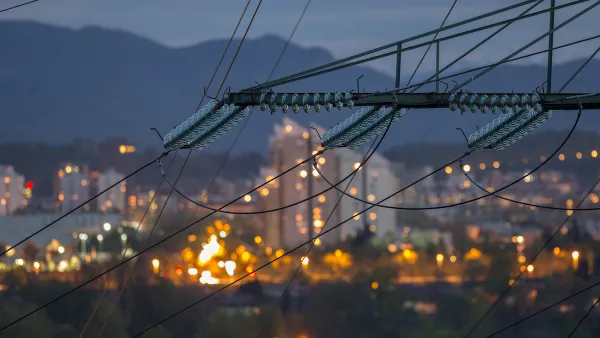
Using Machine Learning to Optimize Utility Management
Discover how machine learning optimizes city utility management for enhanced efficiency and reduced operational costs.
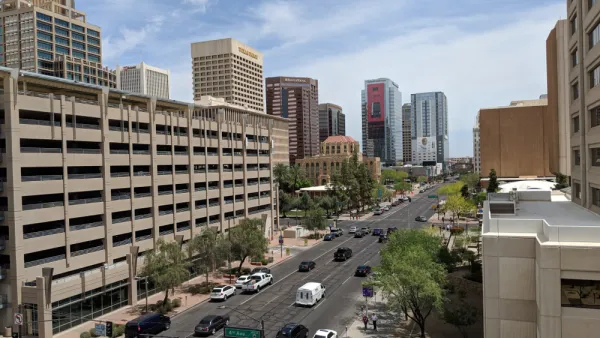
Phoenix Seeks to Adopt AI for City and Regional Planning
An extension of the Phoenix metro region’s half-cent transportation sales tax by voters this November would give the city a green flag, and funding, to expand its use of AI as a planning tool.
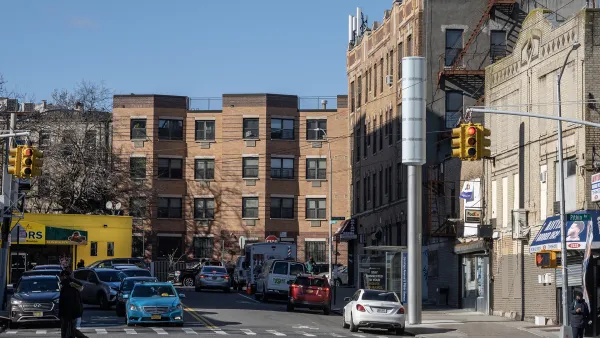
NYC's Link5G Towers Face Neighborhood Opposition
More than 2,000 32-foot towers are coming to New York City street corners to improve 5G connectivity throughout the city, and residents aren’t happy, citing incompatible design and visual distraction as a threat to safety.
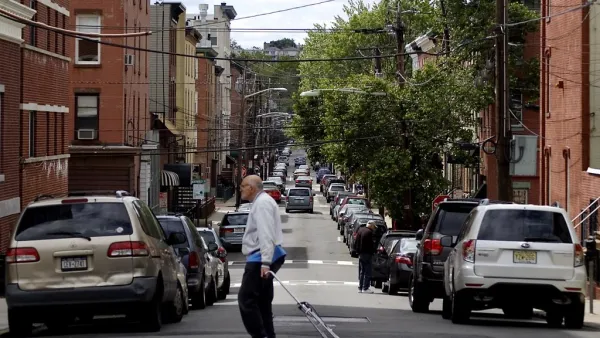
Hoboken's Curbs Are Going Digital
Hoboken, New Jersey, is leveraging technology to up its curb management game with a digital streetscape map that will allow real-time demand monitoring.

DOJ Investigating Corporate Landlords for Criminal Conspiracy
Lawsuits allege corporate landlords used property management software RealPage to cooperatively raise rents. The impact on the Atlanta rental market appears to be broad enough that the Feds are investigating for potential criminal conspiracy.

Cities Are Interested in Adopting Generative AI. What’s Stopping Them?
Only a fraction of cities interested in using generative artificial intelligence to enhance how they operate have made moves to adopt to the technology. What are the obstacles to adoption and what can be learned from local governments who’ve already taken the leap?
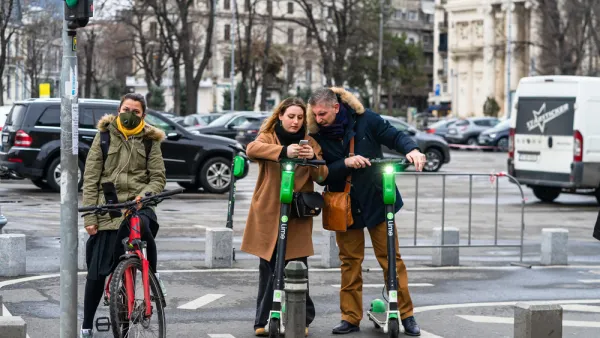
Major Bike-Share Operator Opens Its Data to Two Cities
Lime will share its data with Washington, D.C., and Bloomington, Indiana, to help improve the equity, safety, accessibility of their transportation systems.

Utah DOT to Expand ‘Connected Vehicle’ Program
The state is testing a data-gathering system that could help improve road safety and alert transportation authorities to mobility trends.
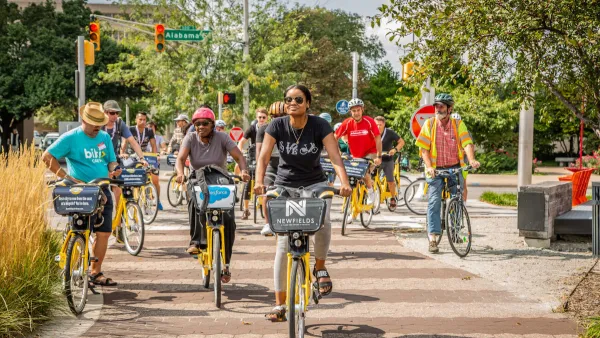
Indianapolis to Offer Free Bike Share Passes to All Residents
It will be the first U.S. city to make bike share free for all.

Colorado Becomes First State in US to Regulate AI for Bias
Under the new law, developers, deployers, and businesses using AI systems at “high-risk” for bias discrimination in critical areas like housing will be required to account for risks and be transparent about how the technology is being used.

Minnesota Legalizes Flying Cars
A new Minnesota law outlines state registration of “roadable aircraft” and legalizes their use on state roads and highways.

FREE Course: Walkable City 1: Why Walkability?
After describing his path towards focusing on walkability as the essence of good planning, Jeff Speck marches through his five principal reasons for making more walkable places.
Reinventing Malls: Planning Alchemy—Turning Gray Fields Into Gold
The course focuses on the opportunities and imperatives that shape reinvention of mall sites.

City of Rosemead
Rutgers University, Edward J. Bloustein School of Planning and Public Policy
One Hundred Miles
University of Michigan School for Environment and Sustainability (SEAS)
Hunter College, City University of New York (CUNY)
The Architects Foundation
City of Cambridge
Montrose County
The Pocatello Development Authority









