Technology
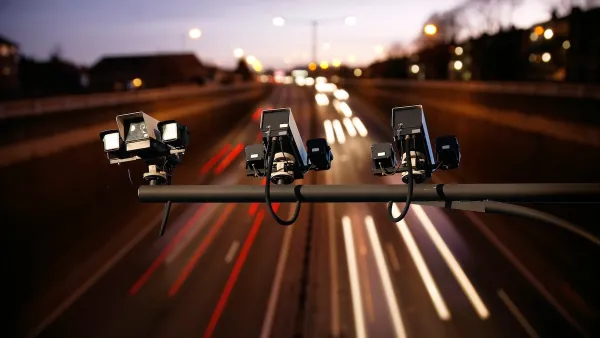
States Have Mixed Feelings on Speed Cameras
While some states and cities are embracing automated traffic enforcement as a tool for improving road safety, others are banning the technology over concerns that the programs are designed for profit rather than public benefit.
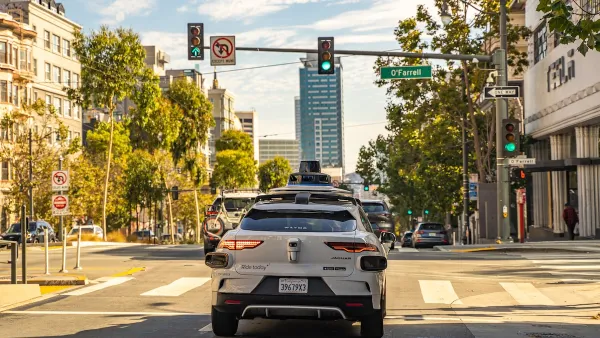
NHTSA Cuts Could Make Roads More Dangerous
The agency is losing almost half of the team that oversees autonomous vehicle safety, among dozens of other key personnel.
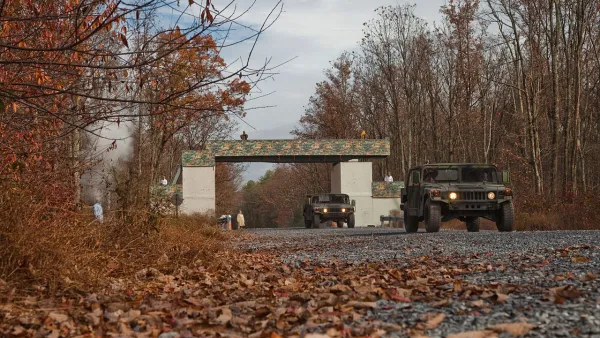
Balancing Bombs and Butterflies: How the National Guard Protects a Rare Species
The National Guard at Fort Indiantown Gap uses GIS technology and land management strategies to balance military training with conservation efforts, ensuring the survival of the rare eastern regal fritillary butterfly.

Has Progress on Travel Safety Run Off the Road?
Changing technology and rebuilding infrastructure to improve road safety are long-term strategies. How can enforcement and interventions that influence driver behavior make a difference in reducing traffic deaths sooner?
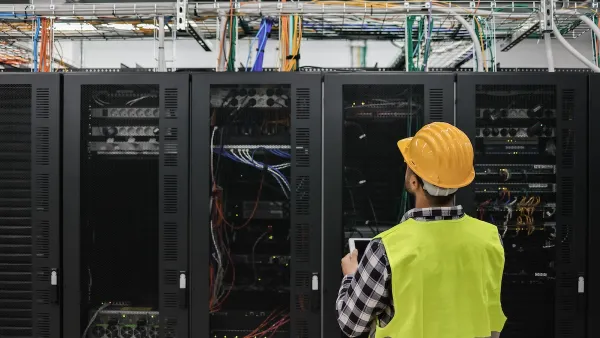
California Bills Would Rein in Data Centers’ Energy Use
A series of proposed bills seeks to limit ratepayer increases and ensure data centers report their energy usage and electricity sources.

Building Resilient Communities: Insights from the LA County Cities Summit
The Los Angeles County Cities Summit convened local leaders to share strategies for advancing sustainability, addressing climate resilience, extreme heat, and other pressing environmental challenges through policy and community-driven solutions.

Hong Kong Cab Hailing App Folds — and Uber Takes Over
HKTaxi launched a year before Uber came to town. Now, it’s shutting down. Lawmakers worry a monopoly looms.

Mobile App Makes DC Transit Easy to Navigate for Visually Impaired Riders
The app gives step-by-step directions and audio and visual cues accessible from anywhere for thousands of bus stops and rail stations.

Analysis: Cybertruck Fatality Rate Far Exceeds That of Ford Pinto
The Tesla Cybertruck was recalled seven times last year.

Boston Ordinance Would Regulate Delivery Drivers
A proposed law would require delivery companies to acquire insurance, permits, and submit monthly reports to the city.
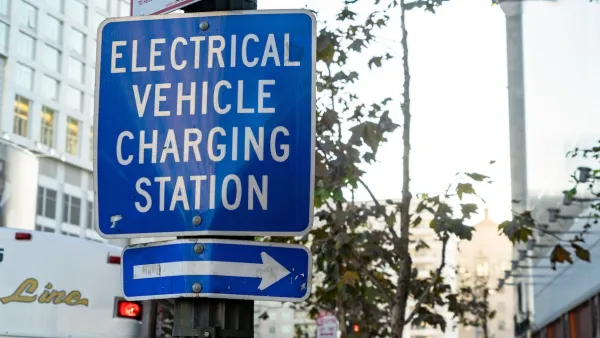
New York State Finances $60M Loan for EV Charging Infrastructure
Gov. Hochul announced the investment just as a federal program for EV charging infrastructure was halted by administration officials.
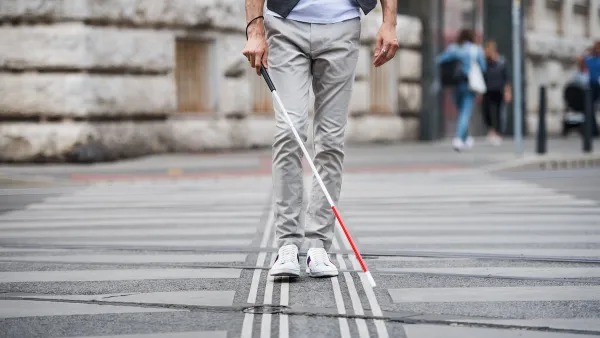
Making Autonomous Vehicles Safer for Blind Pedestrians
A team of researchers is developing a dataset to fill a critical gap in self-driving cars’ learning models.
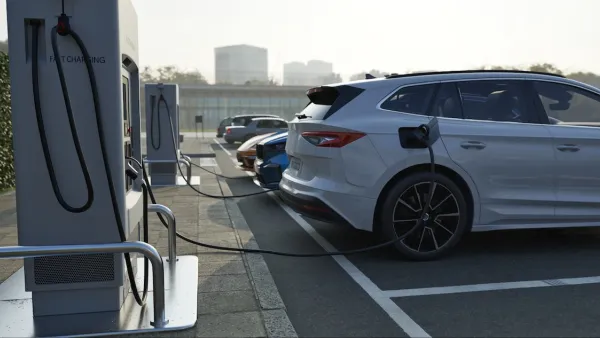
Federal EV Charging Program Suspended
The National Electric Vehicle Infrastructure program planned to fund the construction of hundreds of EV charging stations across the country.

Hitting Its Stride Or Hitting A Wall? South Texas At a Watershed Moment
Can South Texas rise up without drying up?
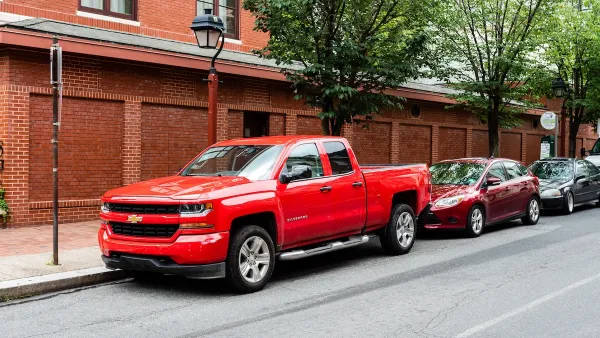
Heavier Vehicles Don’t Keep Passengers Safer
A new study shows that modern safety features are more important than size and weight once vehicles weigh over 4,000 pounds.
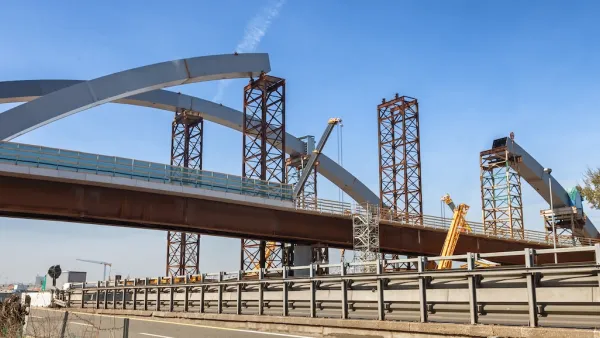
From Grants to Growth: The Critical Role of Funding in Urban Transportation Projects
How cities are taking innovative approaches and adopting technology to develop sustainable, long-term funding sources for transportation infrastructure.
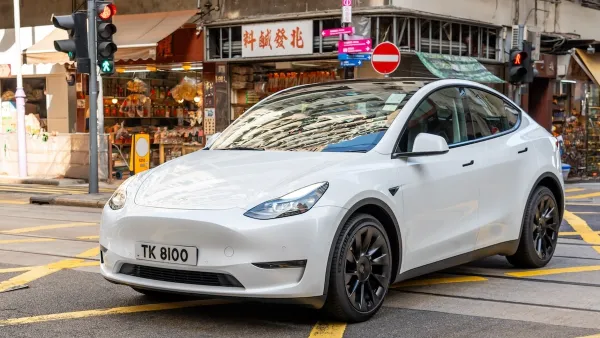
Tesla Robotaxis Encounter New Challenges in China
The autonomous cars are being confounded by bus-only lanes and limits on data transfers.
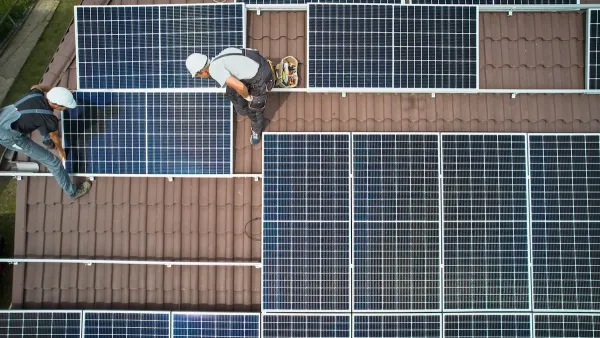
Building a Just Transition from the Ground Up
Effective just transitions require locally driven solutions that prioritize inclusion, agency, and accountability, ensuring that communities, cities, and national policies align to create equitable and sustainable economic opportunities.
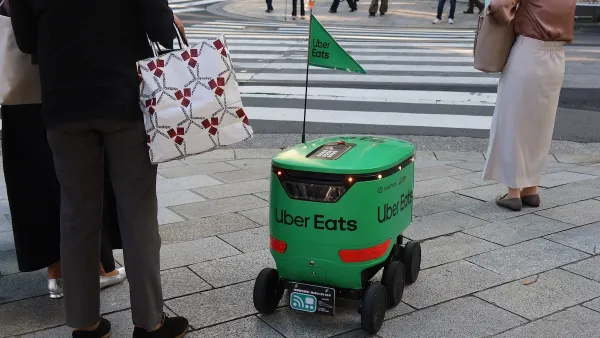
Opinion: Delivery Robots Need Regulation Now
Ride-hailing and scooter companies blindsided cities. They shouldn’t let delivery robots do the same.

New Interactive Tool Helps Cities Assess and Strengthen Urban Tree Canopies
A new national tree canopy assessment tool, available at TreesAtWork.org, provides high-resolution data to help cities track tree cover changes, prioritize planting efforts, and enhance urban resilience.

FREE Course: Walkable City 1: Why Walkability?
After describing his path towards focusing on walkability as the essence of good planning, Jeff Speck marches through his five principal reasons for making more walkable places.
Reinventing Malls: Planning Alchemy—Turning Gray Fields Into Gold
The course focuses on the opportunities and imperatives that shape reinvention of mall sites.

Eagle County Government
Harvard University Graduate School of Design
Nashville Planning Department
The Architects Foundation
University of Cincinnati Online
The Pocatello Development Authority
The Urban Renewal Agency of the City of Pocatello
Journal of the American Planning Association