Technology

Why a Failed ‘Smart City’ Is Still Relevant
A Google-backed proposal to turn an underused section of Toronto waterfront into a tech hub holds relevant lessons about privacy and data.
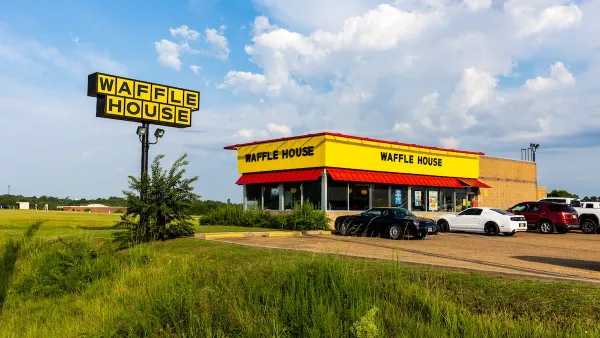
Starting in 2026, You Can Charge Your EV at Waffle House
The 24-hour chain infamous for brawls and, to a lesser extent, waffles plans to install fast-chargers at many of its locations.
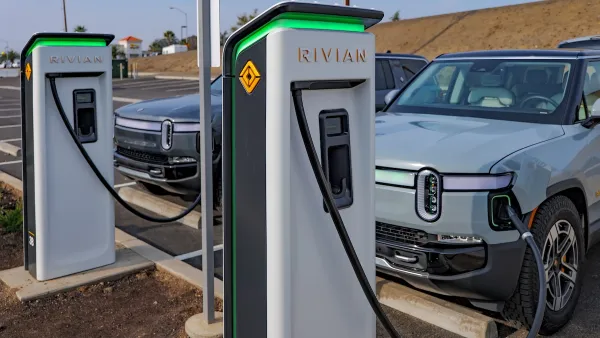
US Senate Reverses California EV Mandate
The state planned to phase out the sale of gas-powered cars by 2035, a goal some carmakers deemed impossible to meet.

Trump Cuts Decimate Mapping Agency
The National Geodetic Survey maintains and updates critical spatial reference systems used extensively in both the public and private sectors.
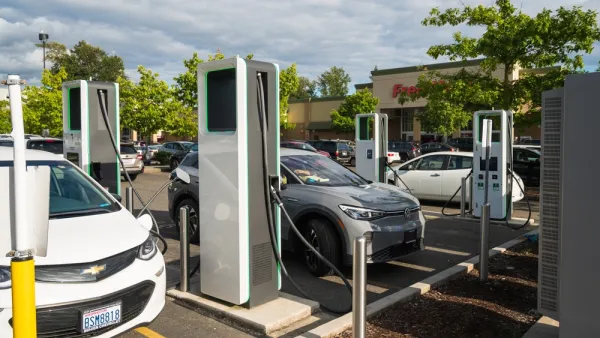
Electric Grid Capacity Could Hamstring EV Growth
Industry leaders say the U.S. electric grid is unprepared for the increased demand for power created by electric cars, data centers, and electric homes.
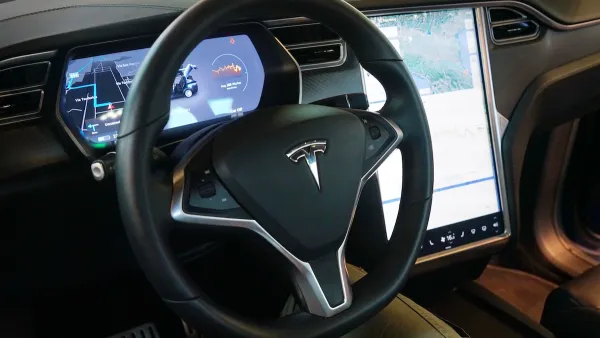
Federal Regulators Ask Tesla for Robotaxi Details Ahead of Planned Launch
Tesla CEO Elon Musk says the company will launch self-driving taxis in Austin in June and other U.S. cities by the end of the year.

Top 10 Tech-Ready Cities
An index ranks U.S. cities based on their preparedness for the ‘smart city future.’
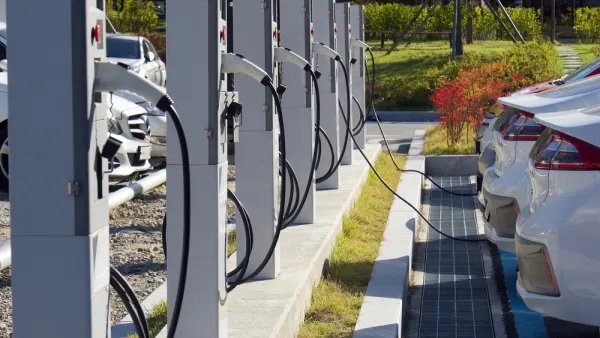
States File Lawsuit Over EV Charging Funds
A coalition of states sued the Trump administration over its suspension of funding for the National Electric Vehicle Infrastructure program.
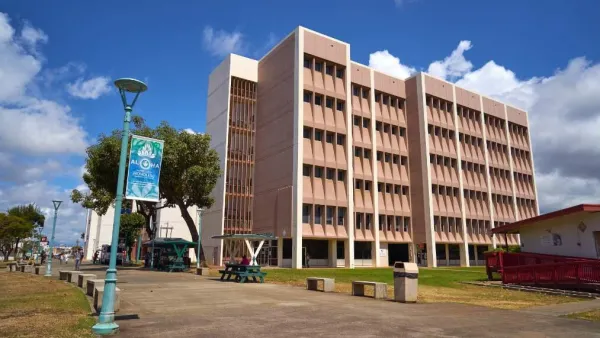
Expanding Access to Design Education at Honolulu Community College
Honolulu Community College’s Architecture, Engineering & Construction Technologies program highlights the role of community colleges in preparing nontraditional students for careers in architectural and construction technologies.
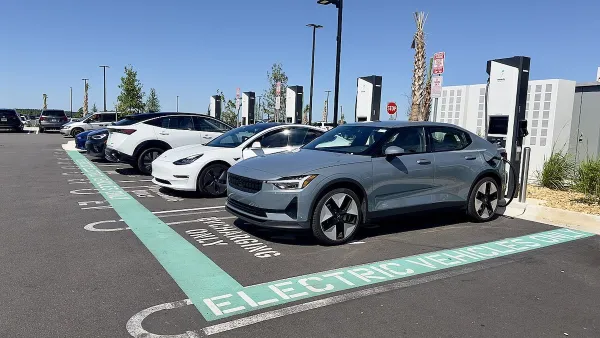
House Committee Proposes $250 EV Tax
The fee is higher than the average tax paid by gas-powered vehicle owners.
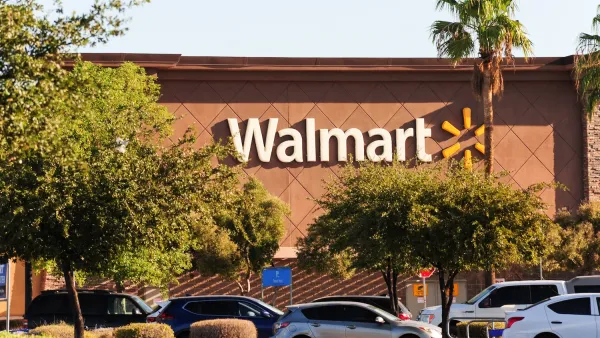
Walmart Announces Nationwide EV Charging Network
The company plans to install electric car chargers at most of its stores by 2030.
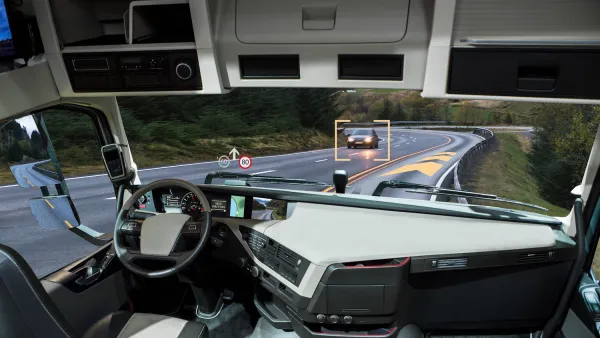
California Is Retooling its AV Guidelines
The California DMV is proposing a new framework for light- and heavy-duty self-driving trucks that would enhance reporting requirements and pave the way for autonomous commercial fleets.

Bringing Community Voices Into Renewable Energy Planning
The MIT Renewable Energy Clinic helps coastal communities navigate the complexities of offshore wind development through neutral, inclusive engagement that surfaces local concerns and supports fair decision-making.

Creating Ocean-Safe Plastic from Seashells
USC researchers have created a biodegradable, marine-safe plastic alternative using calcium carbonate from seashells, offering a promising solution to ocean pollution.

Rethinking Computing: Researchers Tackle AI’s Energy Demands
USC researchers are reimagining how AI systems are trained and powered — through smarter algorithms, innovative hardware, and brain-inspired designs — to dramatically reduce computing’s energy footprint.
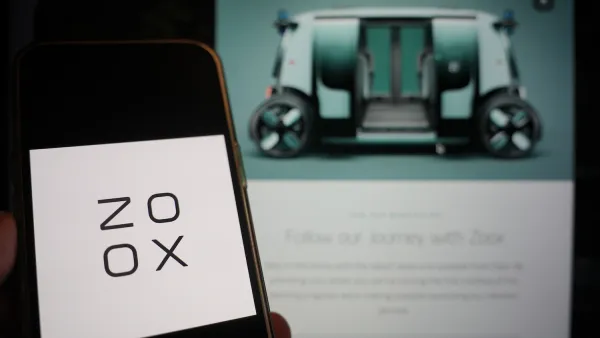
Amazon-Owned Robotaxis to Begin Testing in LA
Los Angeles will become the sixth city where Zoox is testing its autonomous vehicle technology.

Driving Equity and Clean Air: California Invests in Greener School Transportation
California has awarded $500 million to fund 1,000 zero-emission school buses and chargers for educational agencies as part of its effort to reduce pollution, improve student health, and accelerate the transition to clean transportation.
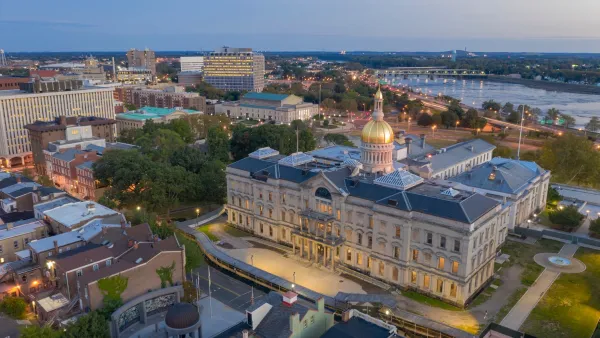
New Jersey Lawsuit Targets Rent-Setting Algorithms
The state of New Jersey is taking legal action against landlords and companies that engage in what the state’s Attorney General alleges is illegal rent fixing.

From Planning to Action: How LA County Is Rethinking Climate Resilience
Chief Sustainability Officer Rita Kampalath outlines the County’s shift from planning to implementation in its climate resilience efforts, emphasizing cross-departmental coordination, updated recovery strategies, and the need for flexible funding.
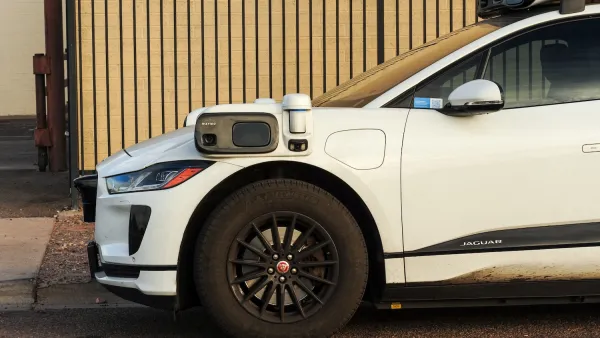
USDOT Waters Down Self-Driving Car Regulations
The agency is reducing reporting requirements for autonomous vehicles and cars with self-driving features, prompting concern among safety advocates who say transparency is essential to the safe deployment of AV technology.

FREE Course: Walkable City 1: Why Walkability?
After describing his path towards focusing on walkability as the essence of good planning, Jeff Speck marches through his five principal reasons for making more walkable places.
Reinventing Malls: Planning Alchemy—Turning Gray Fields Into Gold
The course focuses on the opportunities and imperatives that shape reinvention of mall sites.

Eagle County Government
Harvard University Graduate School of Design
Nashville Planning Department
The Architects Foundation
University of Cincinnati Online
The Pocatello Development Authority
The Urban Renewal Agency of the City of Pocatello
Journal of the American Planning Association